


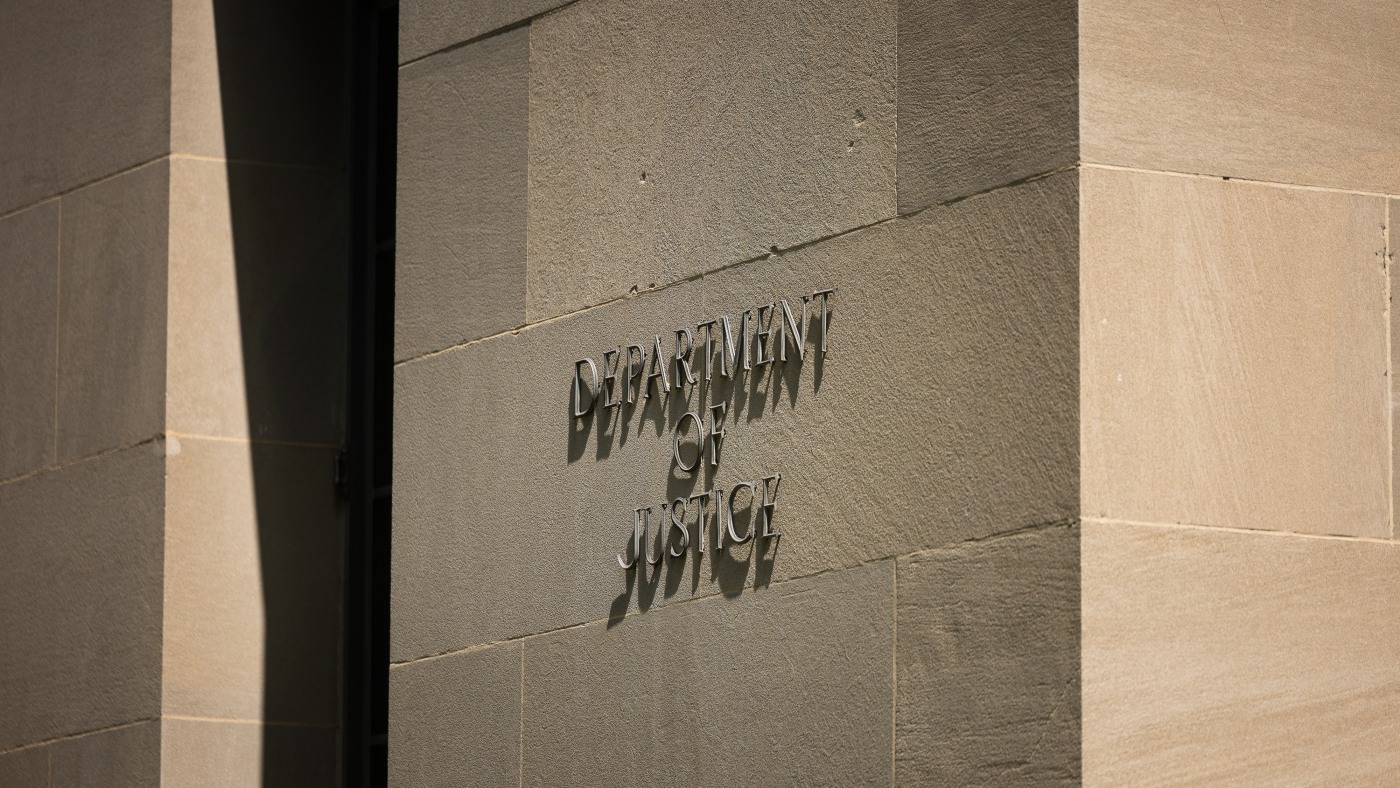
Inspector General Reports on DOJ Subpoenas During Trump Era
The Department of Justice's surveillance efforts during President Trump's time in office included the subpoenaing of communication records from Democratic Congress members and their aides. Despite concerns, internal reviews found no indication that these actions were driven by political bias.
Scope of the Investigation
The recent analysis by Inspector General Michael Horowitz revealed that the scope was broader than initially known, affecting 43 congressional staffers—split between Democrats and Republicans—as well as journalists from major media outlets.
The review centered on leaks of classified information that surfaced in 2017, involving inquiries about potential connections between the Trump campaign and Russia. Prosecutors sought out communication records like phone and email data but did not access actual content, focusing on key Democratic legislators including Adam Schiff and Eric Swalwell.
The decision to investigate was met with criticism, as both Schiff and Swalwell were vocal opponents of Trump, raising questions about possible political targeting.
Findings and Implications
Though the Inspector General's findings did not unearth evidence of retaliation or political intent by the prosecutors involved, there remain concerns about the implications for congressional oversight. The subpoenas, issued discreetly through service providers with accompanying gag orders, risk hindering the critical oversight role of Congress.
Furthermore, the review highlighted a gap in Justice Department policies at the time concerning the issuance of such subpoenas, prompting subsequent revisions intended to increase scrutiny and approval of similar actions.
Impact on Media and Policy Changes
The media was also drawn into these leak investigations, with the subpoenas affecting eight journalists. The incident raised alarms over potential impacts on press freedom, as the DOJ failed to adhere fully to its protocols, notably not consulting a review committee or obtaining necessary clearances beforehand.
Under the Biden administration, then-Attorney General Merrick Garland introduced stricter policies to safeguard journalistic practices, limiting the circumstances under which reporters' communications can be accessed.
Leave a Reply