


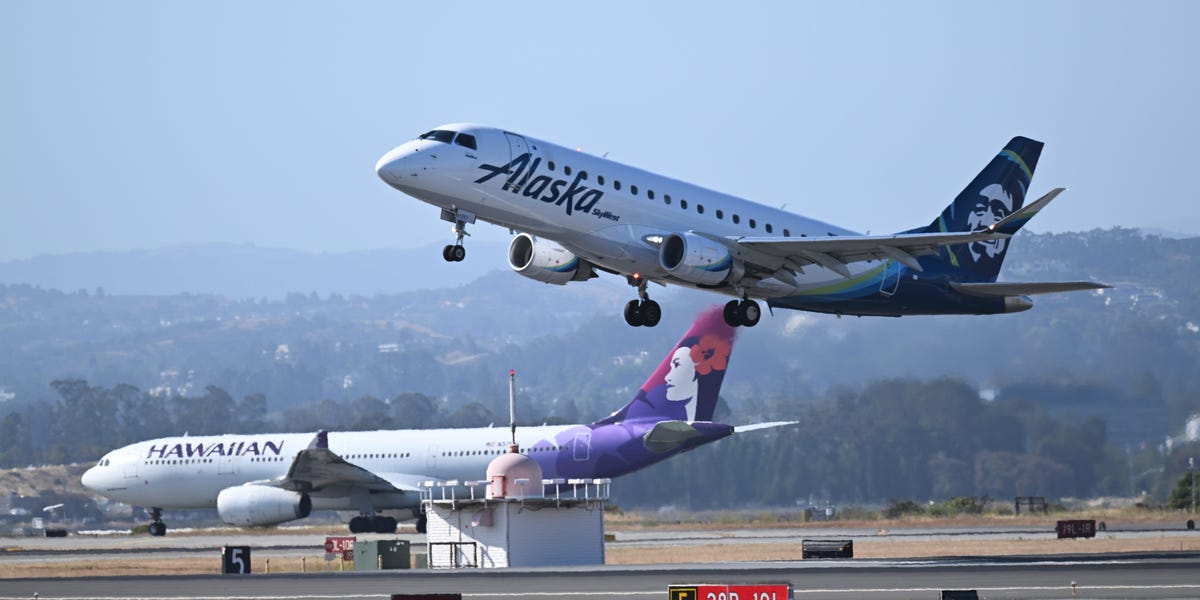
Experiencing Alaska Airlines' New International Route to Tokyo
Following its $1.9 billion acquisition of Hawaiian Airlines, Alaska Airlines is eager to leverage its newly acquired widebody aircraft for expanded service into Asia.
On Tuesday, the airline unveiled plans to commence flights from Seattle to Tokyo and Seoul in 2025, using the Airbus A330 planes from Hawaiian Airlines. This move capitalizes on established operational systems from the new acquisition.
Seattle as the Launch Pad
Seattle serves as a critical hub for Alaska Airlines, commanding 55% of the domestic market. However, its previous absence of overseas routes made the Asian market expansion inevitable.
Andrew Harrison, Alaska's chief commercial officer, shared that Seattle presents stronger demand compared to Honolulu, the previous origin for Hawaiian's flights to Tokyo. Additionally, Seattle offers robust cargo and corporate opportunities.
Flying out of Seattle also allows for shorter travel times relative to other major cities such as San Francisco and Los Angeles.
Competitive Pressures
This expansion is expected to challenge Delta Air Lines, which offers direct flights from Seattle to the same destinations. Delta has invested significantly in its Seattle operations to capitalize on business opportunities.
Nevertheless, Alaska's expansion, which is projected to include 12 routes by 2030, aims to retain and potentially boost the loyalty of Seattle residents and other travelers seeking convenient one-stop itineraries to Asia.
Personal Perspectives on the A330
Reflecting on a recent flight in Hawaiian Airlines' A330 economy class, I found the experience comfortable with well-cushioned seats, sufficient legroom, and an adjustable headrest, crucial for long-haul travel.
Seating arrangements include two seats beside the windows and four in the center sections, enhancing comfort in coach.
While the seats were cozy, the extensive recline necessitates mutual adjustment among passengers to avoid space intrusion by others seated ahead.
Although premium economy was absent, there are plans to incorporate this class during future aircraft upgrades, giving Delta an interim advantage with its already available premium classes.
Future Expansions and Aircraft Modifications
Future alterations could see business class offerings enhanced once Alaska acquires additional Boeing 787 models, promising improved privacy and direct aisle access.
Japan: A Rising Travel Destination
Japan emerges as an ideal destination for Alaska's initial long-haul flights. The country is a significant draw due to its vibrant cultural events like the cherry blossom season and its numerous historical attractions.
According to a Mastercard Economics Institute report, there was a 153% surge in US visitors to Japan in the first half of 2024 compared to 2019 levels, while Canadian visits rose by 148%.
Japan aims to host 35 million visitors by the end of 2024, marking a 10% increase from 2019. The influx has prompted initiatives like Japan Airlines' luggage delivery service from airports to accommodations.
Additional drops in airfare, supported by new Alaska routes, are expected to further lower ticket costs from Seattle. This change aligns with observed fare reductions to cities like Sapporo, Okinawa, and Osaka.
Looking Ahead
As these new routes air in 2025, Alaskan flyers should anticipate a consistent level of service with my past experiences, offering essential comfort and accessibility.
Leave a Reply