


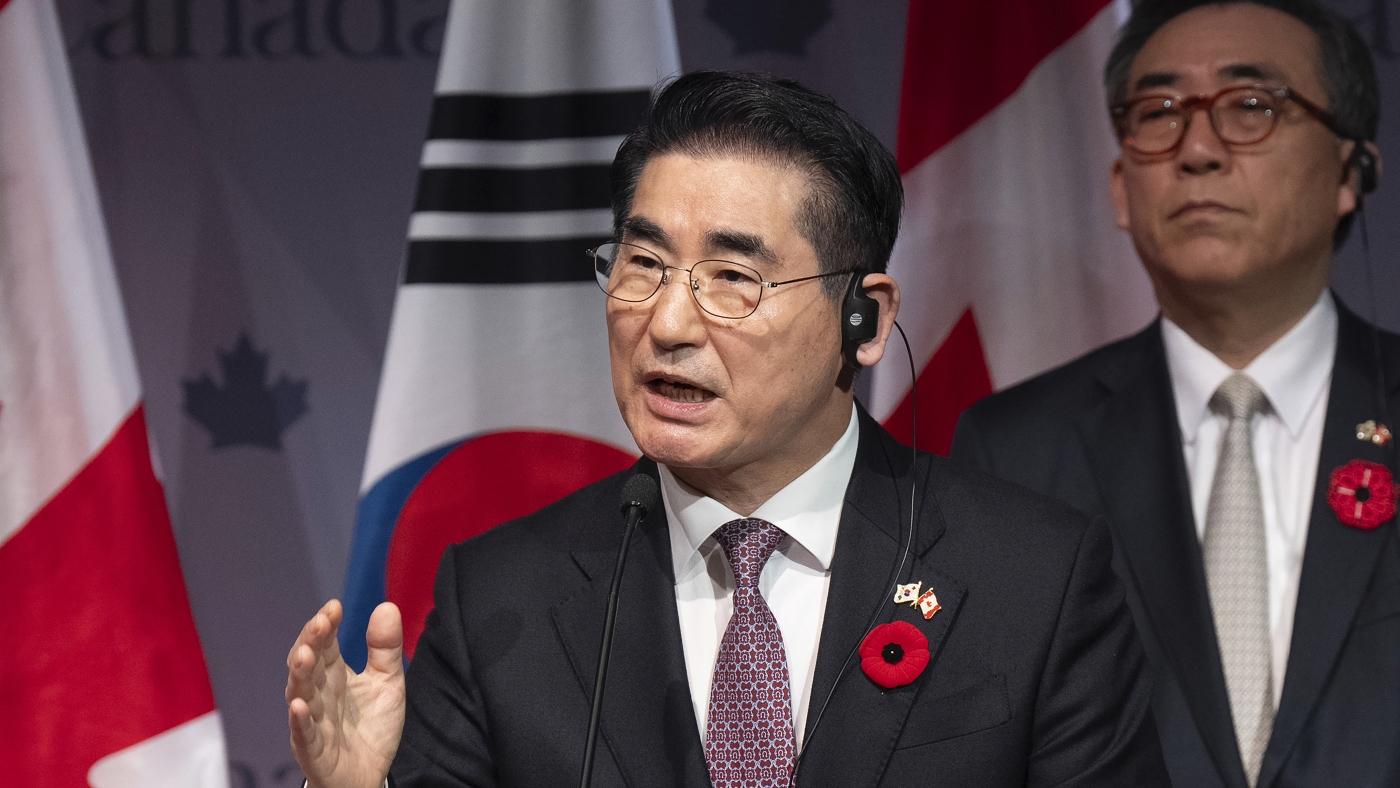
Ex-Defense Minister of South Korea Detained Over Martial Law Plan
Kim Yong Hyun, previously head of South Korea's defense department, faced arrest on Wednesday on accusations of coordinating with the current President Yoon Suk Yeol to enact martial law the previous week.
This enforcement, albeit brief, lasting only six hours, sparked significant unrest and widespread protests across the nation. There are ongoing criminal investigations targeting President Yoon and his close allies, with the potential for impeachment looming. As a preventive measure, the Justice Ministry has banned Yoon and eight of his associates from international travel, marking a historic first for a sitting South Korean president.
Legal Proceedings and Allegations
The Seoul Central District Court has sanctioned the detention of former Defense Minister Kim on allegations that include rebellion and misuse of authority.
Detained since Sunday, prosecutors have a window of 20 days to decide on advancing to a formal indictment. A verdict of guilt on rebellion charges could result in the death penalty.
Kim is the first individual to be apprehended in connection to this incident. He is accused of having advised martial law enforcement and allegedly deploying military forces to obstruct parliamentary voting on the matter.
Responses and Apologies
On Tuesday, Kim expressed profound remorse for the anxiety and disruption caused, taking sole responsibility for the martial law decision. He urged leniency for soldiers who only executed his commands.
Reports indicate prosecutors believe Kim orchestrated significant power abuses to dismantle constitutional processes, working alongside other military personnel including President Yoon.
Political Repercussions
In an effort to ensure impartiality, the opposition-led National Assembly proposed an independent prosecutor to investigate both Yoon and top military figures.
Parliamentary sessions revealed testimony from Army officers, including Colonel Kwak Jong-keun, who reportedly received direct instructions from Kim to prevent lawmakers from entering the assembly to forestall a counter-vote on martial law.
Further allegations emerged about potential plans to detain political opponents at military facilities, underscoring the severity of the charges against the implicated officials.
Constitutional Debate and Potential Consequences
Opposition figures critique the martial law as unconstitutional, emphasizing that it can only be declared under extreme conditions like war, which were not present at the time.
Despite avoiding impeachment, President Yoon faces renewed attempts by the Democratic Party, which has also moved against several other key figures by filing impeachment motions.
Should Yoon be impeached, his duties would be temporarily halted pending a Constitutional Court decision, which could lead to a new election if his removal is confirmed.
Leave a Reply