


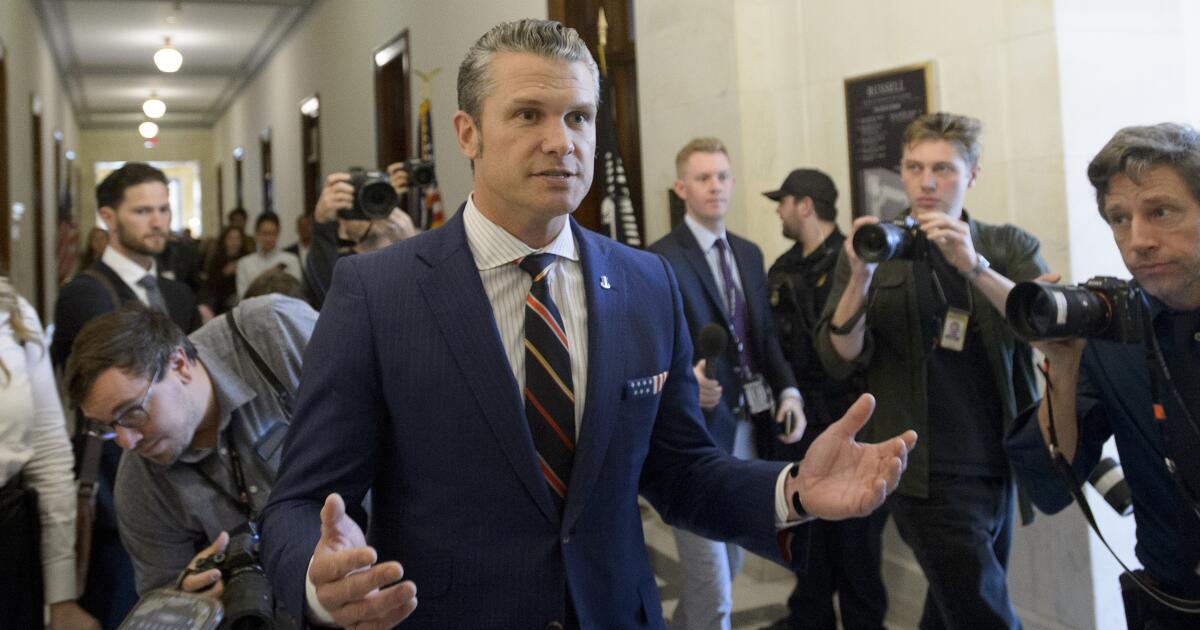
A Chaotic Cabinet Selection Process
In most presidential transitions, the president-elect meticulously evaluates candidates for key Cabinet roles over several weeks. This involves extensive vetting by trusted associates and legal experts, followed by FBI scrutiny. Typically, this thorough process spans the entire period from election to inauguration.
However, long-standing traditions didn’t seem to hold much sway with Donald Trump.
Choosing to bypass the usual FBI background checks, Trump either distrusted federal investigators or hoped to avoid the vetting process entirely. Without waiting for thorough investigations, he rapidly announced the majority of his choices, seemingly expecting a swift Senate confirmation.
Trump even entertained the bold idea of bypassing Senate approval altogether, hoping to utilize recess appointments. Yet, Republican senators were not inclined to support this aggressive maneuver.
The consequence of this hasty approach was foreseeable. Nominees, with minimal preliminary vetting, soon faced revelations of past indiscretions, some well-documented and known publicly.
Key figures in Trump’s Cabinet, selected for their loyalty rather than merit, were often embroiled in controversies. These appointments reflected attempts at consolidating power but led to significant media exposure.
Rather than enjoying the typical post-election 'honeymoon period' to boost his policy agenda, Trump found himself embroiled in herding Senate Republicans to his cause.
Public opinion indicators showed no post-election bump in Trump’s favorability, stuck around a 50-50 divide.
This entire situation could have been avoided. Senate aide Gregg Nunziata highlighted the benefits of comprehensive confirmation processes, insisting that proper channels can address concerns discreetly. Bypassing these measures sparked wider media investigations.
Now, the Cabinet assessments primarily occur through media investigations, revealing unflattering insights.
Concerns arose over Trump’s Defense secretary pick, whose plans hinted at a shift in military tradition.
Former Congressman Matt Gaetz's nomination as Attorney General collapsed under revelations of scandalous behavior, including allegations of misconduct with a minor, ending abruptly.
Pete Hegseth, another controversial nominee, faced accusations contradicting his suitability for leadership and raised eyebrows within the Senate, necessitating a deeper FBI inquiry.
Despite past criticisms against Trump, Tulsi Gabbard was positioned for a senior intelligence role, presenting potential hurdles for Senate approval.
Amidst all, Florida Governor Ron DeSantis was considered as a replacement for certain troubled nominations.
The next steps seemed daunting for Trump, involving either protracted battles to secure confirmations or expeditious dismissal of flawed candidates.
The landscape of political appointments remained turbulent, necessitating strategic navigation through confirmation leaks and challenges.
Leave a Reply