


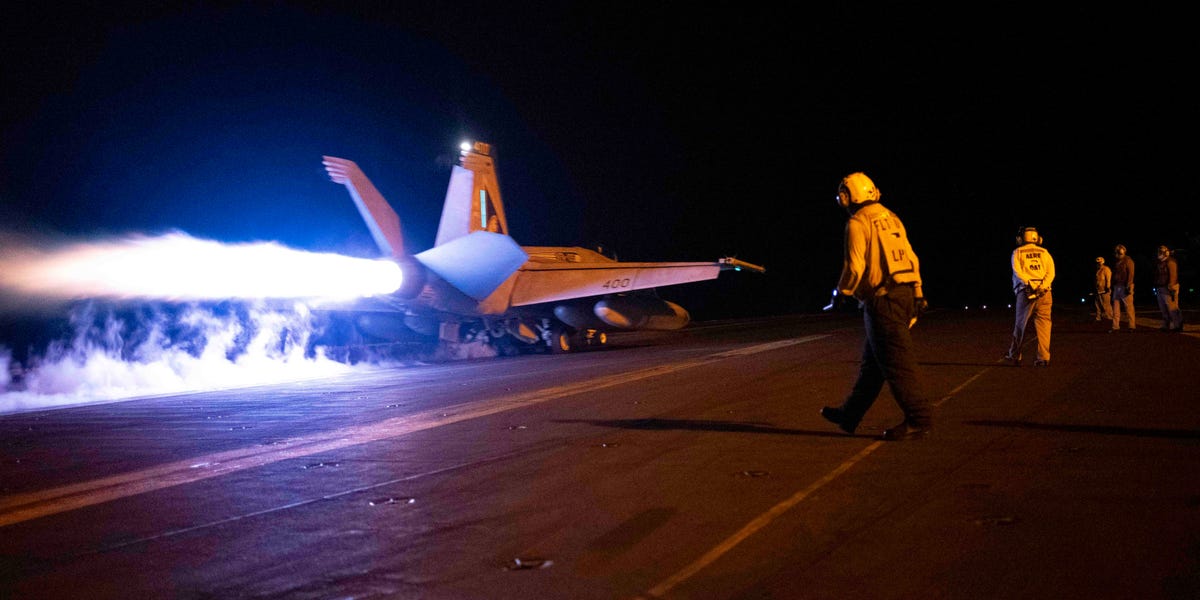
The Ongoing Conflict: US Military and Houthis in a Standoff
Last November, under clear skies, Houthi militants dramatically landed from a helicopter onto a merchant vessel in the Red Sea. After commandeering the ship, they held the crew captive, who remain detained in Yemen.
This capture of the Galaxy Leader spotlighted the Houthis globally. Over the past year, these rebels have disrupted critical Middle Eastern maritime pathways using missiles and drones.
Despite leading a Western naval coalition, the US has not managed to quell the threat posed by the Houthis. An intensified military response isn't currently on the agenda.
A Strategy of Restraint
The US Special Envoy to Yemen, Tim Lenderking, stated that a military solution is not being sought, as it risks worsening Yemen's devastating situation.
Lenderking emphasized that extending the conflict would only prolong Yemen’s agony, further damaging its civilian population and economy.
This careful approach means the US military remains active in the conflict without a straightforward path to resolution.
Ongoing Challenges
The Houthis have executed more than 130 assaults on both civilian and military ships in regions vital to global trade. Claiming ties to the Israel-Hamas conflict, their attacks have included sinking vessels and hijacking, leading to fatalities.
Vital trade routes in the Red Sea handle 15% of the world's maritime trade, but continued Houthi aggression has pushed shipping to avoid the area, opting for costlier African detours.
US forces have responded by intercepting attacks and hitting Houthi sites and equipment through aerial strikes, but these have not ceased the rebels' capabilities.
According to the International Institute for Strategic Studies, even as some aggressive measures have reduced Houthi assaults on commercial vessels, the threat remains active and significantly challenging.
Exploring Solutions
While there are calls for the US to amplify its strategies against the Houthis, some believe that military action alone won’t resolve the situation.
Vice Adm. George Wikoff remarked that the answer lies beyond mere military might. A diplomatic resolution seems uncertain as the rebels link their actions to broader regional conflicts.
With few prospects for an immediate resolution, the ongoing conflict has raised concerns about sustainability, especially with the significant expenditure on military operations.
Impact on Broader Strategy
General Votel highlighted that while US naval strength remains committed, the enduring conflict diverts attention from other strategic priorities, such as rising global military powers.
As Washington vows to maintain open navigation routes, parts of international trade have adjusted, though the challenge posed by Houthi actions continues to test the status quo.
While the US remains firm in its stance against the Houthis, significant questions remain unanswered about when and how the conflict might conclude.
Leave a Reply