


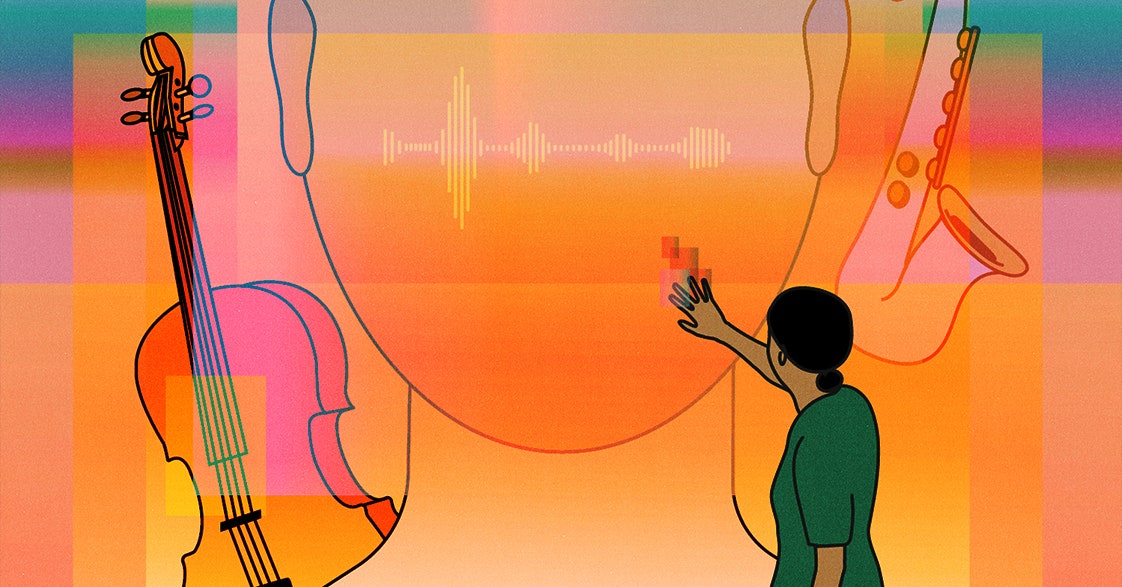
Experience the Restorative Influence of Carefully Chosen Melodies
Through history, dating back approximately 20,000 years to the Upper Paleolithic era, music has been intertwined with healing rituals of shamans and other healers to address mental and physical afflictions. Today, medicine and music have dramatically diverged, with healing seen as the purview of medical professionals and music as leisure. It's perhaps time to reconnect these two profound aspects of life.
In the last decade, science has unveiled a new paradigm for combining music with healing, providing an evidence-based foundation. What was once traditional lore and anecdotal evidence is now growing into a field of study comparable to pharmaceutical treatments, surgical procedures, psychotherapy, and other evidence-based medical practices. Recent years have seen over 8,000 academic articles exploring music's role in healing, firmly establishing its healthcare potential.
Music's applications throughout history have spanned from alleviating pain and depression to providing comfort during life's milestones such as births, weddings, and even funerals. As of 2024, extensive scientific exploration supported by conferences has sought to answer the deceptively simple question: Does music offer verifiable health benefits? The response has been a resounding affirmation.
Current acceptance of music therapy in the medical sphere underlines its effectiveness in addressing illnesses like Parkinson's, Alzheimer's, chronic pain, and depression. No longer at the periphery of medical practice, music now receives recognition from major healthcare providers who incorporate it into treatment codes for hospital, clinical, and outpatient care.
The Rebirth of Music as Medicine
Moving into 2025, robust scientific evidence will drive refined applications of this age-old therapeutic tool. There will be an emphasis on utilizing music for specific health challenges and enhancing immune functions, underpinning comprehensive wellness strategies.
The expanding role of music in healthcare traverses settings from hospitals to personal spaces, catering to needs from medical recovery to relaxation, and mental well-being. Artificial intelligence will play a pivotal role, not by composing music but by selecting tracks and genres that align with an individual's tastes and wellness targets. AI's ability will one day parallel DNA, helping decode the most beneficial music for personal therapeutic needs.
With personal data available in the digital sphere—ranging from search histories to social interactions—companies now have insights into individuals' music preferences. By analyzing when and where people listen, preferences can be aligned with biometric data obtained from smart devices that monitor various health indicators like heart rate and stress levels.
These devices track your activity, whether exercising or resting. They monitor sleep, capturing data on sleep cycles and quality of rest. Soon, subscription music services will adapt to your biometric cues, offering playlists that prepare you for workouts, improve focus, promote relaxation, and, importantly, alleviate symptoms of chronic health conditions.
Leave a Reply