


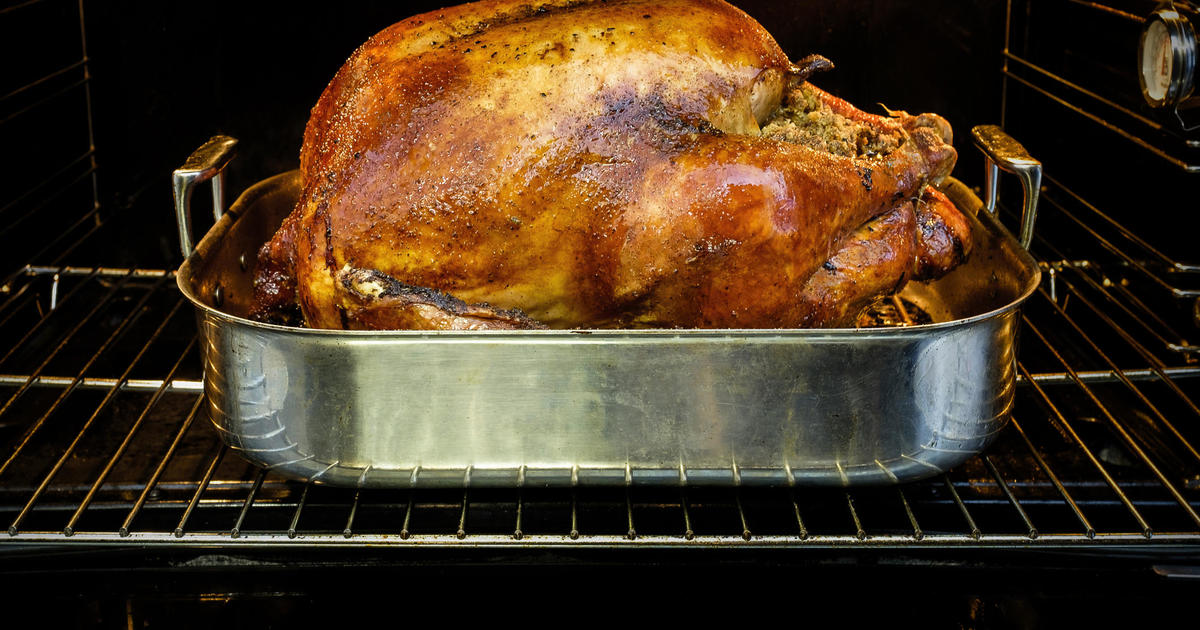
Guidelines for Cooking Turkey Safely and Storing Leftovers Post-Thanksgiving
Ensuring your Thanksgiving meal is not only delightful but also safe involves adhering to certain food safety practices.
Darin Detwiler, a food safety specialist from Northeastern University, emphasizes the potential dangers involved with handling a raw turkey. He points out that it can harbor harmful bacteria like Salmonella and Campylobacter, which can easily contaminate your kitchen surfaces and utensils, leading to possible food poisoning.
According to the USDA, foodborne illnesses affect about 48 million individuals annually in the United States, resulting in approximately 128,000 hospitalizations and 3,000 fatalities.
Fortunately, the USDA provides simple steps to mitigate the risk of these illnesses.
Ideal Internal Temperature for Turkey Cooking
Regardless of the cooking method—be it roasting, deep-frying, or smoking—the turkey must reach a minimum internal temperature of 165°F as set by the USDA to ensure all potential bacteria are eliminated.
Proper Placement of the Thermometer in Turkey
To accurately assess the turkey’s internal temperature, place the thermometer in the deepest part of the thigh and wing, as well as the thickest section of the breast. Avoid contact with bones to ensure precise readings.
Signs that Indicate Your Turkey is Cooked Without a Thermometer
Although visual indicators or texture may seem helpful, they aren't reliable for determining if the turkey has safely reached the needed temperature. It’s recommended to use a food thermometer for accuracy.
Storing Thanksgiving Leftovers Safely
To prevent foodborne illnesses, ensure all leftovers are kept in the refrigerator within two hours after being served.
Cooked turkey and turkey-based dishes can be chilled and keep well for three to four days. For elongated storage, they can be frozen and will maintain optimal quality for two to six months. When reheating, bring leftovers to a minimum of 165°F and refrain from reheating more than once to prevent contamination.
Leave a Reply