


Ohio Faces Political Maneuvering as JD Vance's Senate Seat Becomes Available
With the election of Sen. JD Vance as vice president, Ohio now has a vacant U.S. Senate seat, prompting a rush among state Republicans eager to fill this spot.
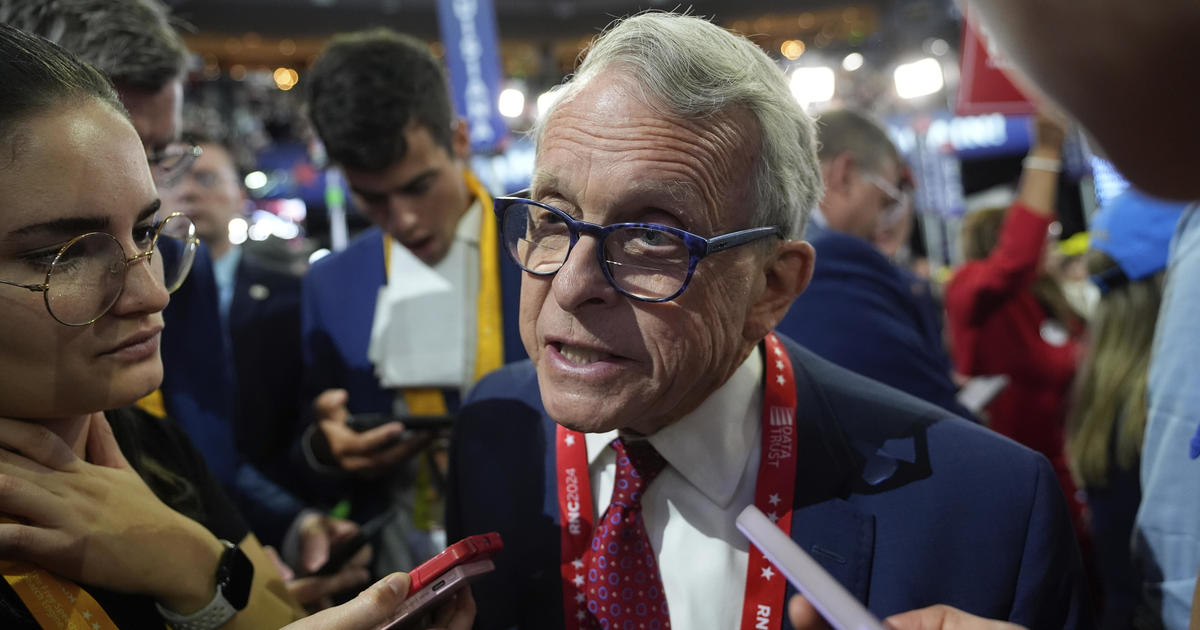
Ohio's Republican Governor Mike DeWine holds the responsibility of appointing a replacement, a choice that could shape the state's Republican agenda for years. This comes in the wake of significant Republican victories under the leadership of President-elect Donald Trump. Selecting the wrong candidate could aid Democrats in reclaiming a Senate seat when it becomes up for election again in under two years.
"This is an important decision," DeWine remarked shortly after the election. "Being a U.S. senator is significant for our state, and we need to ensure we choose wisely."
A host of former candidates from previous Republican primaries in 2022 and 2024, such as Jane Timken, Frank LaRose, and Matt Dolan, are in the running for the seat. Others in consideration include Ohio Treasurer Robert Sprague and attorney Mehek Cooke. Vivek Ramaswamy, a known Vance associate, has stepped out of the race following a new role within Trump's administration.
Potential Republican Candidates and Strategic Considerations
The departure of Vance is also seen as a chance to resolve the political hierarchy within the Ohio GOP, though Lt. Gov. Jon Husted and Attorney General Dave Yost seem focused on the gubernatorial race slated for 2026. Both have made their intentions clear, with Yost declining any Senate interests and DeWine himself opting not to appoint himself.
Ohio's congressional representatives like Jim Jordan and Mike Carey might also be interested, but their aspirations are dampened by the current slim Republican majority in the House.
Under state laws, the appointed senator will serve until December 15, 2026, after which a special election for the remainder of the term will coincide with the general elections.
Democratic Response and Election Prospects
The upcoming election could see veteran politician Sherrod Brown eyeing a comeback. Brown, recently unseated, has hinted at remaining active in political arenas. Tim Ryan, who lost to Vance previously, might also re-enter the fray, along with Allison Russo, a rising Democratic figure.
DeWine emphasizes picking a Republican candidate equipped to fend off Democratic challengers in 2026. Such a choice is not just about one's appeal but also their fundraising prowess, as every statewide office, including the governor's, will be contested.
The contest doesn't lack formidable contenders; Timken, LaRose, and Dolan all bring varied strengths, with Dolan distinguishing himself by eschewing Trump endorsements. His moderate stance has won him DeWine's favor in the past.
Key Political Dynamics and Party Justice
Dolan, noted for his independent trajectory within the GOP, opposed several contentious bills, contrasting with other candidates like LaRose and Sprague, who supported them. These legislative stances might influence DeWine's ultimate decision.
Timken's commitment to anti-abortion policies and her connections to influential figures like Rob Portman, who endorsed her, make her a viable candidate. Simultaneously, DeWine's history of promoting women may favor her or Cooke in selection.
Both LaRose and Sprague have twice succeeded in statewide elections, however, LaRose's visibility as the elections chief and experience as a Green Beret adds unique qualifications to his profile.
DeWine underlines that their selection needs to balance political practicality with resilience, being capable of winning in both primary and general election landscapes repeatedly.
Leave a Reply