


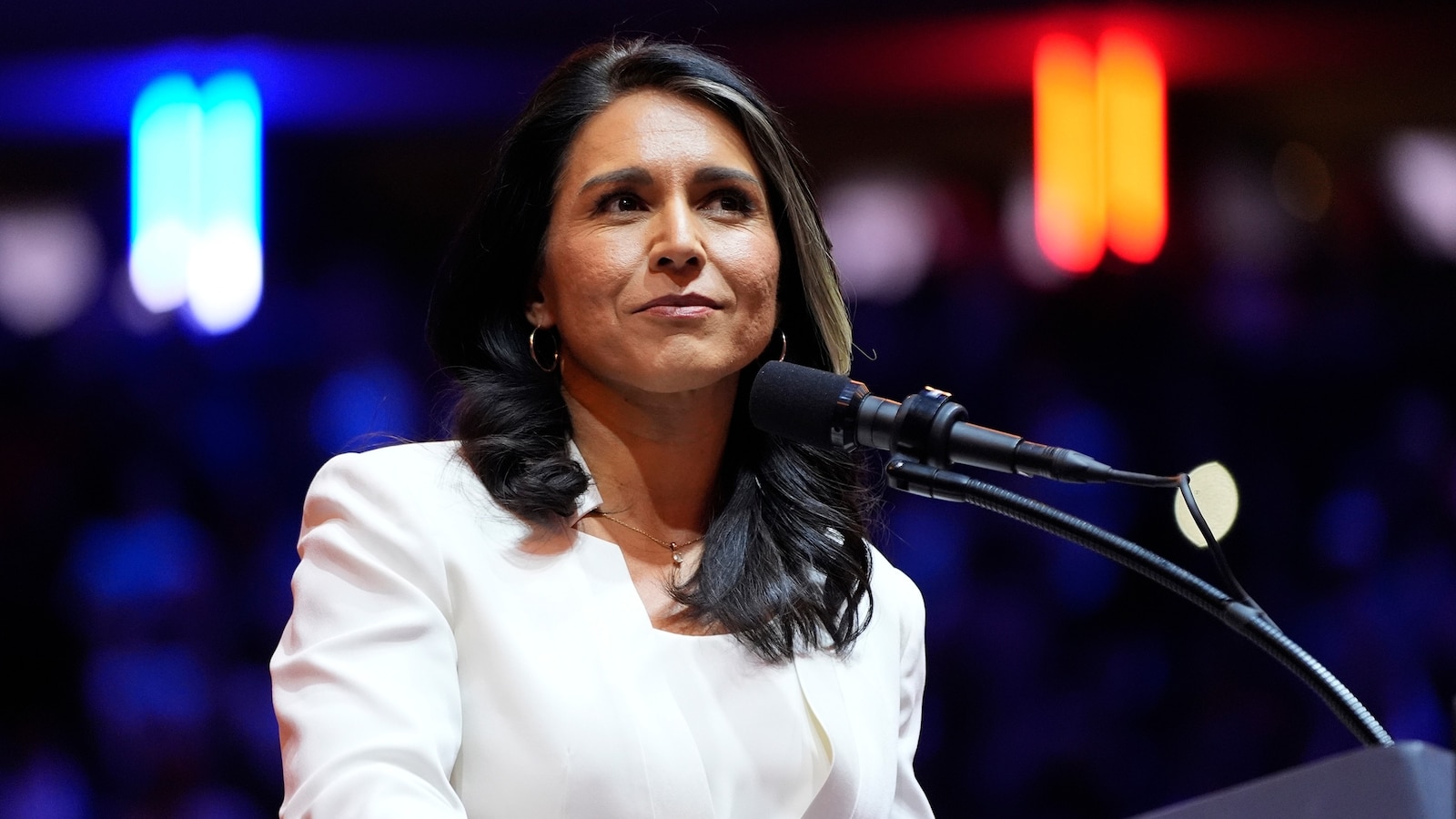
Tulsi Gabbard's Intelligence Nomination Under Fire
The appointment of Tulsi Gabbard as the prospective director of national intelligence by President-elect Donald Trump has been met with controversy. Critics question her lack of experience with intelligence agencies, compounded by her history of echoing narratives aligned with Russian disinformation—a situation opponents argue should disqualify her.
Gabbard, who served Hawaii as a Democrat in Congress from 2013 until she switched to Republican in 2021, is criticized for her perceived Kremlin sympathies and repeating Russian narratives, specifically concerning its invasion of Ukraine.
At the conflict's onset, Gabbard accused the Biden administration and NATO of provoking Russia by disregarding its security concerns over Ukraine's potential NATO membership, an argument aligning with Russian rhetoric.
Biolabs Controversy and Russian Media
In March 2022, Gabbard stirred debate by posting a video on Twitter, suggesting that biolabs in Ukraine could be compromised and urged for immediate action involving the U.N. and NATO. Her statements echoed unfounded Russian conspiracy theories, which have been extensively debunked by international bodies.
Her remarks earned her labels like "Russia's girlfriend" and were frequently featured on Russian state-run media, similar to those made by commentators critical of U.S. policy towards Ukraine.
Responses from Political Figures
Criticism of Trump's selection of Gabbard included concerns from figures like Senator Elizabeth Warren, who questioned her suitability due to her alleged ties to Putin’s views. Former national security adviser John Bolton also condemned the nomination, suggesting it would comfort U.S. adversaries.
Meanwhile, unfounded allegations from Democrats, such as those from Rep. Debbie Wasserman Schultz and former Secretary of State Hillary Clinton, accused Gabbard of being influenced by Russian interests, which she has strenuously denied and legally countered.
Challenges Ahead
If confirmed, Gabbard would be responsible for overseeing numerous intelligence agencies and play a crucial role in deciding what intelligence enters the presidential briefings. Her nomination faces expected resistance in the Senate, though some Republican senators have voiced cautious approval.
Gabbard's foreign policy record includes contentious visits and opinions, notably her trip to Syria to meet Bashar al-Assad and her defense of Russian airstrikes in Syria. Her stance towards China also diverges from typical Republican positions, as seen in her past opposition to Trump's trade policies against Beijing.
Leave a Reply