


Evaluating Pete Hegseth: Is He Fit to Lead the Defense Department?
A Former Defense Secretary Offers His Perspective
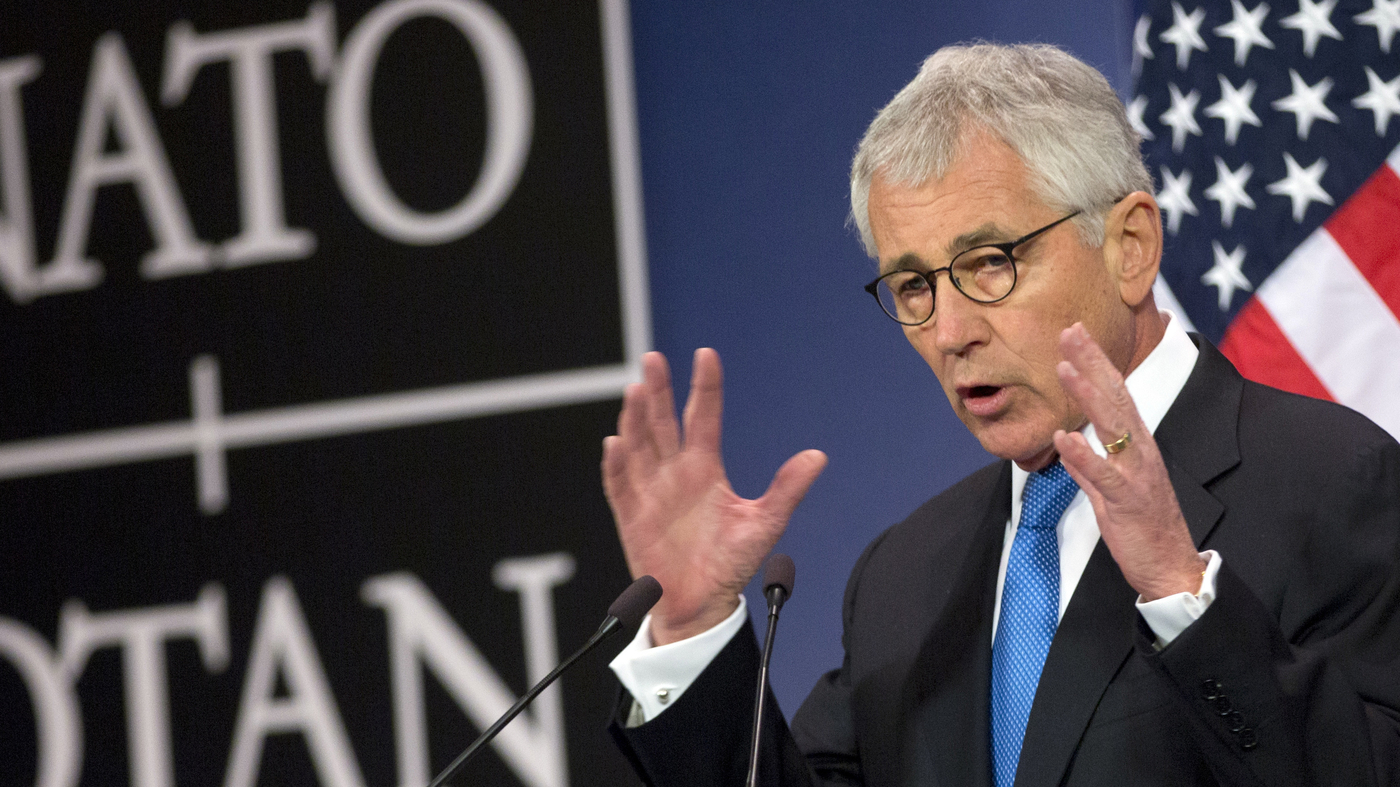
Chuck Hagel, who previously held the position of Secretary of Defense, sheds light on the complexities that await Pete Hegseth if he becomes the head of the Defense Department under President-elect Trump's administration.
The Department of Defense stands as one of the most intricate and large-scale bodies within the U.S. government. With a workforce exceeding 3 million, it includes civilian and military members. This organization even encompasses its own judicial and healthcare systems.
Chuck Hagel, who served from 2013 to 2015, refers to it as the “largest institution globally.” During an interview, he discussed the hurdles Pete Hegseth could face if confirmed as the Secretary of Defense.
Hegseth, a veteran of the Army National Guard and a familiar face on Fox News, would be the least experienced defense secretary according to NPR's Pentagon correspondent, Tom Bowman, who analyzed past defense and war secretaries' backgrounds.
Key Points From the Interview
Chuck Hagel voices that Senate hearings will likely address Hegseth's lack of experience, vital for a role of such magnitude. More than experience alone, he emphasizes the significance of the complete character and capabilities the nominee would bring to the position.
In an opinion piece, Hagel expressed worries regarding potential political influences on the military, especially with actions allegedly considered by the incoming administration that could politicize the armed forces.
Hagel recollects instances where Hegseth's views may undermine military diversity, such as opposition to women in combat roles, reflecting concerns over his approach.
Hegseth's inclination to possibly remove high-ranking officers based on perceived ideological bias, including targeting the Chairman of the Joint Chiefs of Staff, was also highlighted by Hagel as a precarious strategy.
The prerogative of the President to dismiss federal employees is acknowledged by Hagel, but he warns that such actions without justified grounds could cause instability within military ranks and deter leadership quality, impacting national security.
Dissension and resignation among military officers might follow if such ideological purges occur, inadvertently signaling weakness to both allies and adversaries.
In reflection, Hagel remarked on the past operational challenges faced by the U.S. military, asserting that strategic failures stem more from political directions rather than military execution.
Ending the conversation, Secretary Hagel underscored the importance of leadership experience within substantial government frameworks, a crucial asset Hegseth lacks.
Leave a Reply