


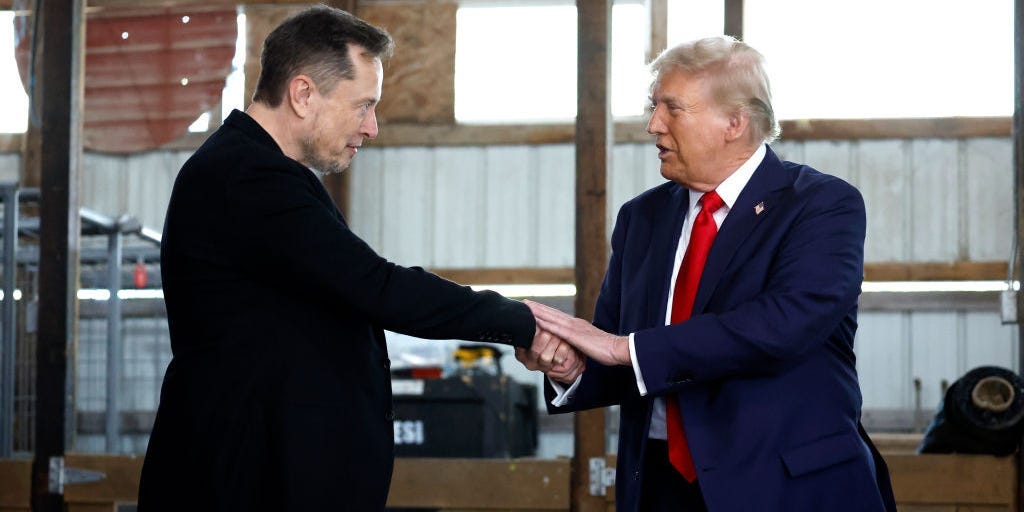
The Drive for Confirmation Power: Trump and Musk's Agenda
Donald Trump is poised to return to the presidency with the Republican Party controlling Washington, yet for him and allies like Elon Musk, this alone is insufficient. Despite having a GOP majority, there's skepticism about Trump's influence, highlighted by controversial appointments like Matt Gaetz for Attorney General and Robert F. Kennedy Jr. for Health Secretary, which have stirred mixed responses.
Expanding Recess Appointment Authority
Trump is advocating for the use of recess appointments to place his chosen officials into key government roles, bypassing the traditional Senate vote process. This move could potentially fill over 1,200 roles without the usual scrutiny of confirmation hearings or background checks. Elon Musk supports this strategy, emphasizing its necessity for implementing the people's desired changes.
According to Casey Burgat, the historical use of recess appointments has not been as explicit or strategically emphasized as now, raising concerns about its implications.
Potential Legislative Hurdles
Senator John Thune has acknowledged that although recess appointments are a possibility, they are not devoid of challenges. He pointed out that the consent of all Republicans is essential to proceed with recess, a decision not guaranteed considering internal disagreements.
For Trump, leveraging Vice President-elect JD Vance as a tie-breaker, the Senate's GOP majority could theoretically confirm nominees. However, Democrats can still complicate the process by extending debates and delaying closures.
The Quest for Quick Confirmations
Trump argues that swift staffing through recess appointments is crucial. Historical averages show his nominees were approved slower compared to his predecessors, due in part to filibusters and a complex congressional climate.
Limitations of the Current Recess Appointment Framework
Recess appointments only last until the next congressional session ends. Without further action, nominees placed immediately could serve until January 2027, yet this process is free from meaningful Senate Democratic obstruction.
Originally designed for times when the Senate was often not in session, the power has occasionally been exploited, as seen when President George W. Bush appointed John Bolton without Senate approval.
The Debate: A Strategic Gamble?
Former White House counsel Don McGahn is a prominent advocate for this approach, asserting that recess appointments are essential for any president to align government personnel with their policies. However, critics from within conservative ranks, like Ed Whelan, argue this undermines the Senate's constitutional role.
Considering the legacy of precedents in the Senate, Burgat warns of the long-term consequences of such a strategy. Establishing new norms could make it challenging to reverse shifts in power dynamics, potentially creating regrets for future Republican administrations.
Leave a Reply