


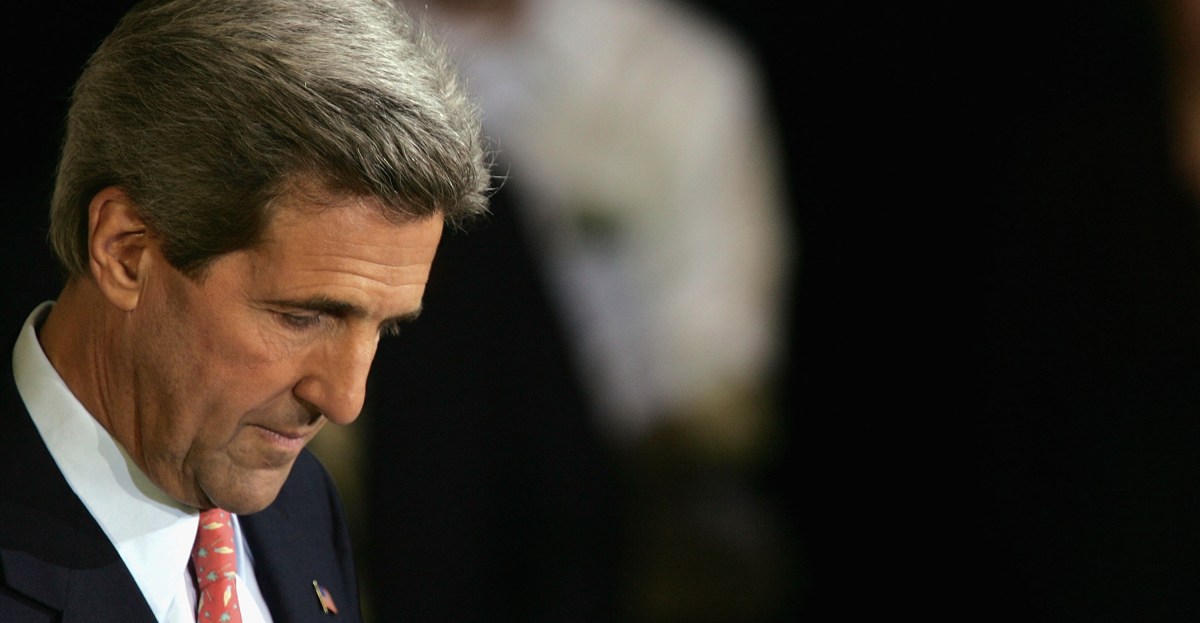
After the 2004 Democratic Setback: A Path Forward
The 2004 election was a difficult period for the Democrats, marking a notable time of reevaluation.
Facing a second defeat in the presidential race against George W. Bush stung for the Democrats. John Kerry, the party's choice, fell short not just in the Electoral College but in the popular vote as well, highlighting a serious disconnect with American voters, even when competing against a vulnerable Republican opponent.
Echoes of the Past in 2024
Fast forward to 2024, Democrats find themselves in a familiar predicament. Still awaiting the final tally, they're poised to lose the popular vote for the first time in two decades. This development pushes the party into deep self-reflection similar to that of 2004.
Historians like Nicole Hemmer from Vanderbilt University note that the popular vote was previously seen as a comfort, a silent repudiation of administrations won through the Electoral College, like those of Bush and Trump.
Contemplating a Comeback
With the realization that the popular vote no longer serves as a buffer, Democrats are now grappling with a stark truth. According to Kyle Kondik of Sabato’s Crystal Ball, this election marks a national shift towards conservativism, though distinct from its 2004 version.
In response, the party is undertaking intense introspection to determine the missteps that led here, debating whether the economy, a focus on progressive politics, or President Biden's decision to seek re-election played pivotal roles.
The setbacks mirror those of the early 2000s, post-Kerry, when Democrats were left to dissect their failures. However, they rebounded spectacularly by 2008, taking the White House with Barack Obama and a strong Congressional presence.
Key Takeaways from 2004's Lessons
Differences abound between the elections of 2004 and 2024. Back then, global terrorism influenced the political landscape, overshadowing topics that dominate today, such as economic issues and cultural debates centered around Biden and Trump.
For Democrats, much of their future success might rely on strategies refined from the 2004 defeat and revitalized through Obama’s subsequent victory.
Reviving the 50-State Strategy
The lesson that Democrats carried forward involved rethinking geographical strategy. The concept of competing for every state—pioneered by Howard Dean—aimed to bolster Democratic turnout nationwide, not just in reliable blue strongholds.
Former DNC Chair Donna Brazile, along with others, suggests renewing this approach. Declining to adapt Dean's extensive strategy potentially cost Harris essential support.
Reconstructing Communication Strategies
Reacting to the media dynamics in 2004, Democrats realized the need for a robust response to conservative media influences. By adopting bold strategies as outlined by linguist George Lakoff, Democrats shifted the focus towards cultural empathy and community values.
Today, Democrats again face the challenge of presenting their message effectively in the face of an evolved Republican media presence.
Becoming the Party of Substance
A prominent lesson from the past is not to define by opposition, but through clear vision and policy stances. Kenneth Baer advocated for developing affirmative Democratic values rather than mere opposition to Republican agendas.
Platforms like Baer's Democracy magazine helped nurture such ideas, with contributions from future leaders like Elizabeth Warren.
Facing Limitations in Political Playbooks
Strategies alone can't guarantee resurgence. In 2008, the Democrats’ rebound was driven by Obama’s unique appeal and a series of misfortunes under President Bush’s watch, including economic disasters and policy failures.
Whether Democrats can recover and advance past 2024 might hinge on the socio-political dynamics during Trump’s term, especially if economic plans falter and public sentiment shifts.
The foundation remains preparing for opportunities arising from Republican missteps, just as they did effectively in the past.
Leave a Reply