


Can Trump Abolish the Department of Education?
Eliminating the Department of Education could lead to significant disruption without drastically altering school curriculums.
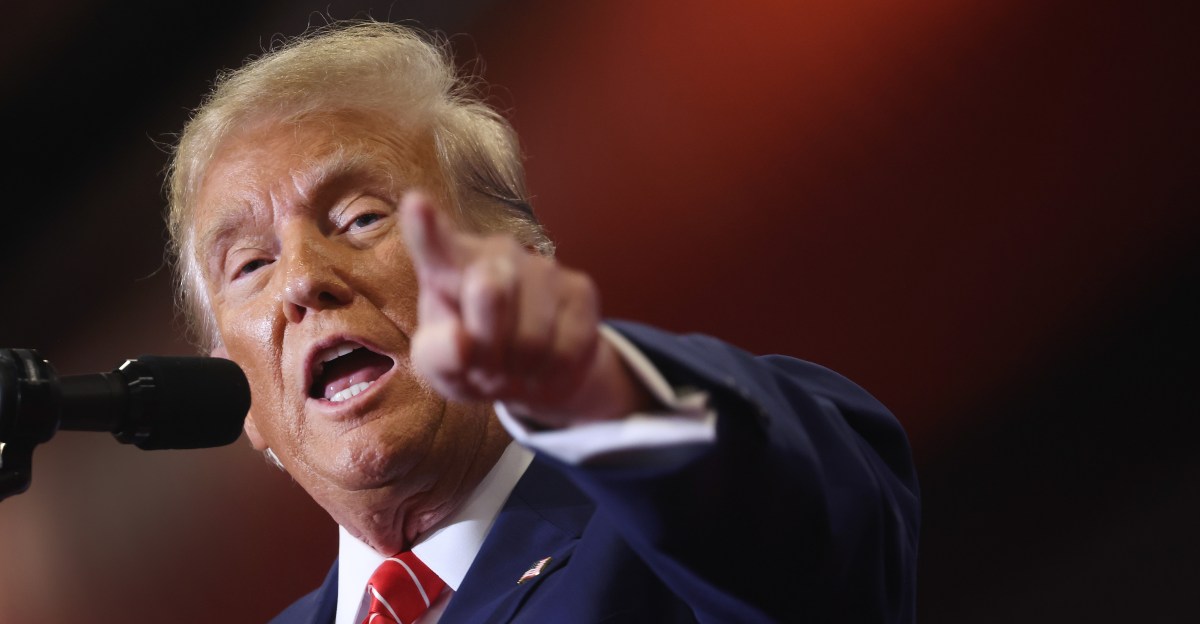
During his presidential campaign, Donald Trump, now President-elect, repeatedly asserted his intention to dismantle the U.S. Department of Education. He criticized the department for supposedly imposing inappropriate racial, sexual, and political ideologies on students.
In a 2023 video detailing his educational policy objectives, Trump stated, "One of my first actions in office will be to shut down the Department of Education in Washington, D.C., and delegate all educational roles back to individual states. I believe they are best suited for the task, as it's hard to do worse."
Is Closing the DOE Feasible?
Technically, shutting down the Department of Education is possible, but not straightforward. As Don Kettl, an emeritus professor at the University of Maryland, noted, it would necessitate congressional approval to either abolish or significantly restructure it. The bigger question is whether there's enough legislative support to undertake such a move.
Despite the potential Republican majority in Congress, dismantling the department would require 60 votes unless the filibuster is repealed. Even if Republicans gain a majority, convincing Democratic senators to eliminate the department seems highly improbable, rendering this effort largely symbolic.
Jon Valant of the Brookings Institution has expressed that closing the DOE could seriously harm the U.S. education system without achieving Trump's goals. Such an action could create widespread chaos, affecting parts of America that even Republican lawmakers represent.
Impact on Vulnerable Students
The nation's most at-risk students—those from low-income families, residing in rural regions, or with disabilities—would face the greatest challenges. The department's civil rights capabilities are crucial for states to deliver targeted resources to these groups.
Moreover, allegations by Trump and his supporters regarding the DOE's responsibility for programs like critical race theory and certain LGBTQ content are misplaced. State education departments already manage curricula and teacher selection. Federal contributions to state education budgets are relatively minor, covering only about 10% of the total funding.
Valant expressed confusion over why the Department of Education has become a contentious issue, suggesting that public misunderstanding about its functions is widespread.
Potential Strategies for DOE Modification
Even without formally closing the department, a Trump administration could severely weaken it. Strategies might include reducing staff numbers, particularly those at odds ideologically with the administration. Appointments of officials lacking educational expertise could also hinder the department's operations.
In higher education, changes could redefine the department's role. For instance, Steve Scalise has hinted at using the accreditation process as leverage against institutions perceived as overly progressive.
Trump's administration might leverage its leadership position to influence educational policies indirectly by signaling preferred teaching approaches to states, many of which might be eager to align with these signals.
As the administration progresses, the appointment of a Secretary of Education will clarify Trump's plans, likely prompting renewed focus on educational reforms.
Leave a Reply