


Trump’s Return and Its Implications for Global Climate Discussions
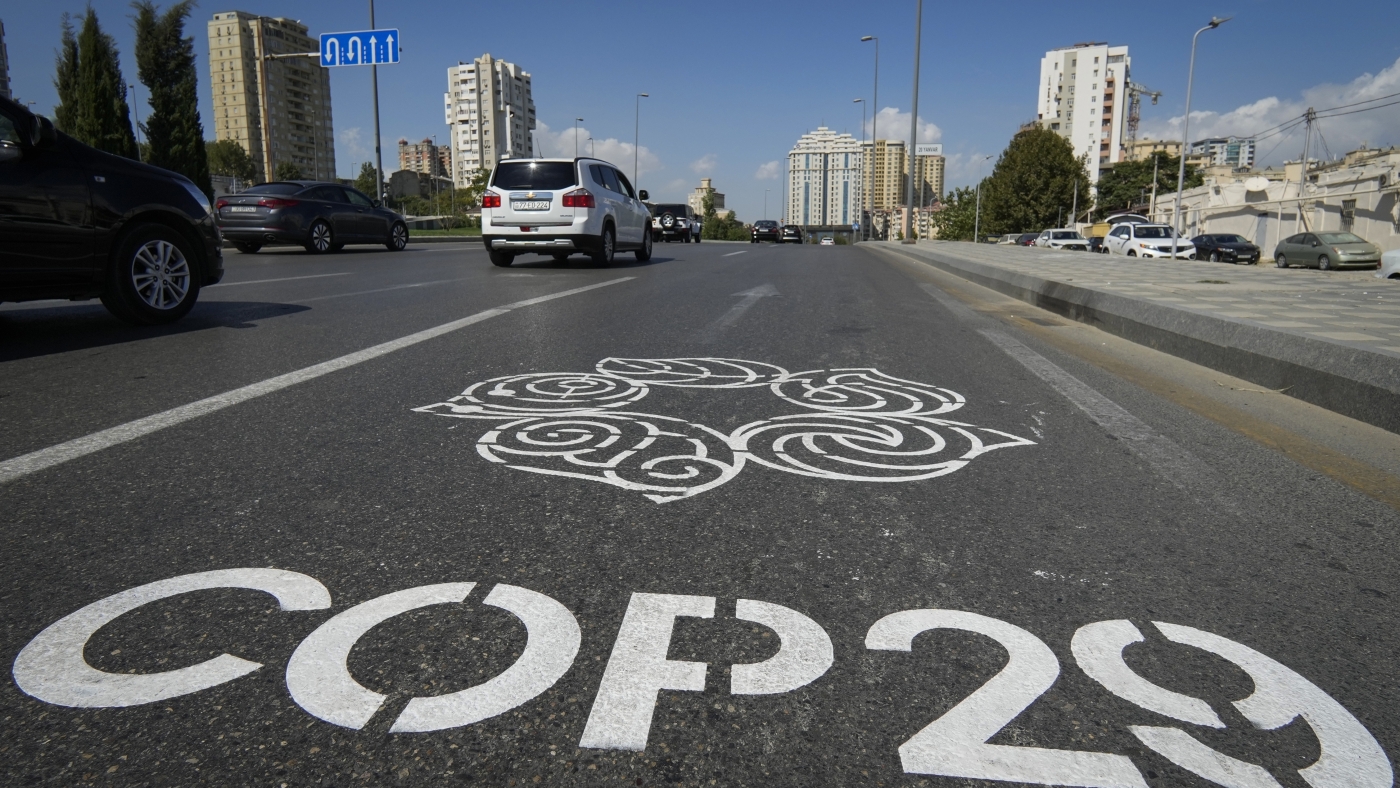
As global climate discussions open in Baku, Azerbaijan—a nation rich in oil and gas resources—the mood is overshadowed by the recent political shifts in the United States.
This yearly forum draws leaders, scientists, and activists together to delineate strategies for limiting global warming and preparing vulnerable communities for existing climate-related threats.
The question looming large is whether the US, historically the largest emitter of greenhouse gases, will continue to engage in international climate initiatives under Donald Trump’s renewed leadership.
The Renewed Emphasis on Financial Commitments
Focusing on funding, the Azerbaijan summit highlights the immense financial resources needed to transform the fossil-fuel-dependent global economy and manage the severe weather events exacerbated by climate change.
Developing countries, which contributed minimally to the global rise in temperatures, face the harshest impacts and urgent needs for support.
Impact of the U.S. Political Climate Shift
Trump’s victory introduces significant uncertainties. Having previously dismissed climate change and withdrawn the US from the Paris Agreement, his return to power jeopardizes current progress.
The future of American participation in these talks and commitments is now uncertain, shifting the focus onto other major powers like the European Union and China to fill the leadership gap.
Negotiating New Goals for COP29
This year's agenda demands stronger emission reduction pledges, particularly from developed nations, to aid poorer countries in transitioning from fossil fuels and coping with climate change consequences.
Promises Made to Developing Nations
Historically, industrialized nations pledged $100 billion annually by 2020 to support developing countries—but delivery has been slow.
With the promise left unfulfilled, these countries continue to rely on uncertain commitments from wealthier nations to adapt to and mitigate climate effects.
Commitments to Reduce Emissions
While full commitments for emission reduction are not due until 2025, several countries may announce their plans during this summit.
Last year, the goal was set to triple global renewable energy capacity by 2030, but current progress reports indicate that without significant change, these targets may not be met.
Inclusion of Indigenous Perspectives
Indigenous communities, often sidelined in these discussions, seek more meaningful engagement and acknowledgement of their rights and perspectives in climate policies.
There is a call for recognizing Indigenous nationhood within the framework of these global talks, a step crucial for transformative justice and effective collaboration.
Leave a Reply