


The Impact of Trump's Return on Biden's Foreign Policy Efforts
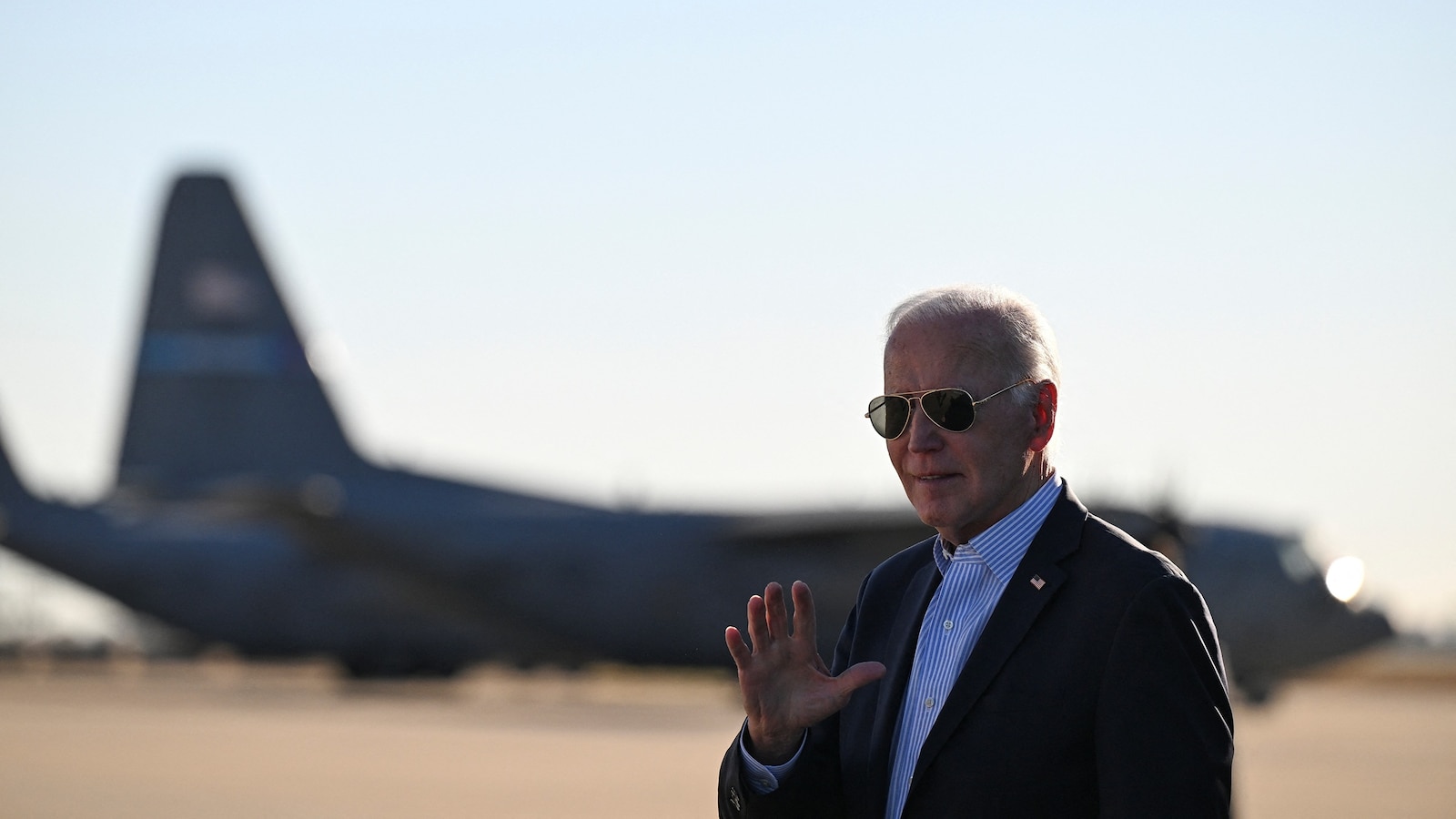
President Joe Biden approaches the end of his term knowing that Donald Trump, whom he labeled a 'real threat to American safety,' is set to succeed him.
Foreign policy has been a cornerstone of Biden's extended political tenure. The circumstances surrounding Russia's Ukraine invasion and the escalation in the Middle East post the Hamas attack on October 7 mark significant events of his presidency.
With political constraints lifted since he is not seeking re-election for himself or Vice President Kamala Harris, Biden faces a crucial two-month span to navigate international conflicts before Trump assumes office again.
Lingering Shadow of Trump's Return
As Trump's second term nears, international allies and adversaries might be skeptical of cooperating with the outgoing Biden administration.
Leslie Vinjamuri of Chatham House notes that European leaders are already engaging with Trump, hoping to gain favor. Avoiding any commitments with Biden that might undermine impending Trump initiatives is a priority for these nations.
This situation presents a delicate balance for world leaders who risk backlash if seen opposing Trump's future strategies.
Russia and Ukraine Conflict
Under Biden's watch, the conflict in Ukraine has been a primary focus. Despite his departure, Russian presence remains entrenched, albeit at a significant cost. Biden's awareness of his concluding term could lead to bold actions in favor of Ukraine.
Oleksandr Merezhko, from Ukraine's parliament, indicates that Biden now has liberty in his support for Ukraine and can secure a lasting impact on U.S. aid. Proposals such as easing the use of Western arms in Russia and propelling Ukraine's NATO integration have been floated.
Despite time constraints, ambitions like NATO membership for Ukraine are likely unattainable while hostilities with Russia persist. Nevertheless, Biden could still allocate substantial financial aid for Ukraine's defense.
Matthew Savill from RUSI suggests that Biden could still utilize remaining resources under the Presidential Drawdown Authority to assist Ukraine.
Middle Eastern Diplomacy
Efforts by the Biden administration to stabilize the Middle East appear stalled, with ongoing intense military engagements following Hamas' October attack. The conflict continues with heavy casualties in Gaza and Lebanon.
Israeli Prime Minister Netanyahu's sacking of Defense Minister Gallant signals an unwavering commitment to military actions and an alignment with Trump’s imminent return.
Johns Hopkins University's Hafed Al-Ghwell expresses skepticism about any peace achievements during Biden’s final days, attributing this to Biden’s entrenched ideological positions and limited desire to alter current trajectories.
Netanyahu likely expects continued support from the forthcoming Trump administration in his confrontations with Palestinian and Lebanese forces, and in broader regional tensions involving Iran.
Looking forward, the potential influence of Trump's return adds complexity to regional dynamics, leaving Middle Eastern communities facing ongoing turmoil.
Leave a Reply