


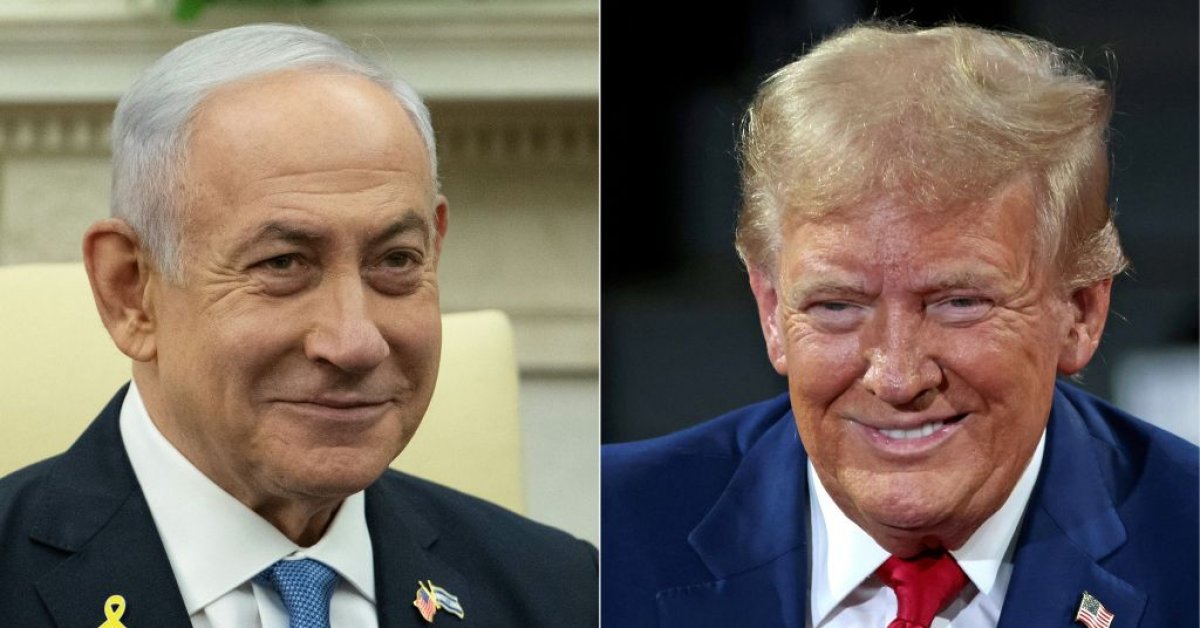
Netanyahu and Trump's Unified Stance Amid Escalation in Middle East
In the context of recent electoral events, Israeli leader Benjamin Netanyahu has engaged in dialogue with Donald Trump on three occasions, underscoring a shared perspective on the impending threat posed by Iran. The discourse has unfolded during a period of heightened military activity as Israeli forces intensify their operations in both Lebanon and Gaza.
Israel's Intensified Military Operations
The Gaza Strip and Lebanon experienced significant military clashes on Sunday, resulting in numerous fatalities, including children. This comes as the global community observes how U.S. political dynamics might influence the ongoing confrontations involving Israel and groups backed by Iran, such as Hamas and Hezbollah.
Netanyahu has publicly acknowledged the strategic conversations with Trump, expressing that they align on the critical aspects of the Iranian threat. This relationship echoes broader geopolitical strategies, influencing military engagements in the region.
Casualties and Strategic Targets in Lebanon and Gaza
In a particularly devastating air raid, Israeli forces struck an area in Aalmat, Lebanon, resulting in the death of at least 23 individuals, including a number of children. This area, situated away from traditional Hezbollah strongholds, was reportedly housing weaponry according to Israeli military sources, although a comprehensive assessment is ongoing.
Hostilities have escalated with Hezbollah launching attacks in support of Palestinian factions, which has triggered full-scale combat. These engagements have seen Israel conducting retaliatory operations which are frequently justified as targeting militant operatives, despite claims of civilian casualties.
Humanitarian Crises and International Reactions
In the fraught environment of northern Gaza, civilian infrastructure has been severely compromised. Israeli airstrikes have obliterated homes, leaving numerous families in mourning. The ongoing struggle to demarcate military targets from civilian locales exacerbates the humanitarian plight.
The consequence of these aggressive military postures is stark, with independent monitoring groups warning of imminent food shortages and potential famine conditions in the heavily besieged regions of Gaza.
International diplomatic efforts, primarily by the United States alongside Qatar and Egypt, to broker cessations of hostilities have been stagnant, reflecting the entrenched positions of the conflicting parties.
Impact of Political Dynamics on Conflict Resolution
The complex interplay of international diplomacy and local geopolitical realities paints a challenging landscape for conflict resolution. Efforts continue, albeit with limited success, to stabilize the region and provide the civilian population with much-needed relief amidst the pervasive destruction.
The strategic discussions between Netanyahu and Trump highlight a unified approach toward Iran, influencing Israel's military strategies in the face of perceived threats. As global leaders consider future interventions, the ongoing violence underscores the urgency of addressing underlying tensions to foster a sustainable peace.
Leave a Reply