


Reassessing Poverty Initiatives Post-Trump Election
Recent minimum wage votes highlight small avenues for hope.
Let's be candid: Donald Trump’s electoral success marks a significant hurdle for numerous anti-poverty initiatives. With Republicans controlling the Senate (and probably the House), we can anticipate impending discussions on budget slashes, coupled with the resurrection of previously unsuccessful strategies like enforcing work criteria for welfare beneficiaries.
Finding Optimism Amidst Challenges
During his campaign, Trump assured that Social Security would remain untouched. However, his ideas for the program — such as reducing taxes on Social Security income — could accelerate benefit reductions. Additional taxation concepts, including the 'No Tax on Tips' scheme, are more likely to benefit larger corporations than the workforce, potentially forcing wages downward.
Despite these challenges, it's not entirely bleak. Observations from Trump's first term suggest that significant cuts encounter substantial resistance, Republican dominance notwithstanding. Moreover, some policies have the potential to be enacted, such as an expanded child tax credit which has bipartisan backing. For instance, JD Vance, soon to be Vice President, has advocated for this expansion.
The electoral outcomes also offer glimpses of optimism — providing a potential path for an anti-poverty strategy in a second Trump tenure. Although Democrats lost the presidential election, voter rejection of their policies was not absolute. Throughout different states, electorates endorsed progressive measure endorsements via ballots, including enhancements in minimum wage, sick leave entitlements, and labor rights. This implies Democrats have considerable opportunities to effect change over the next four years, predominantly at state levels or through voting initiatives.
State-Level Triumphs on Minimum Wages
In five states, constituents had the chance to influence their minimum wage policies.
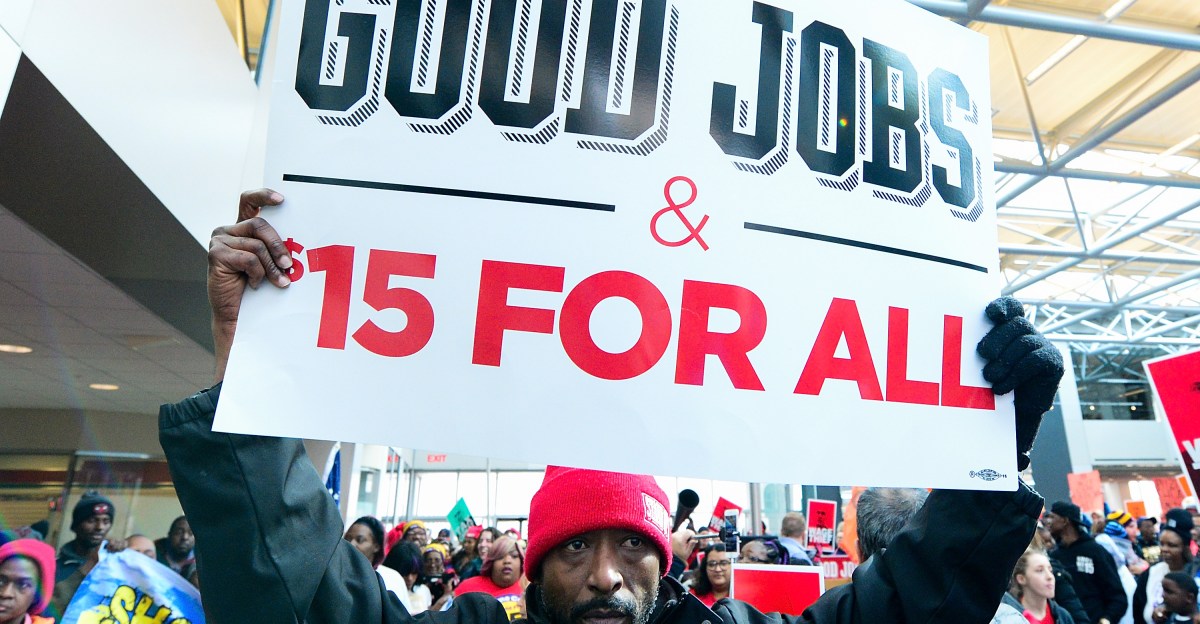
Consider Missouri, where voters approved a plan to elevate the minimum wage from $12.30 to $15 by 2026. By tying minimum wage adjustments to inflation, laws now ensure wages rise in line with living costs without needing further legislative intervention. Over 562,000 individuals are projected to benefit from this according to figures from the Missouri Budget Project.
Similarly, Alaska's electorate cast ballots for boosting their minimum wage, progressing it to $15 per hour from $11.73, with this proposal poised for passage. This change stands to affect about 10% of the state's workforce, as assessed by the Economic Policy Institute. Meanwhile, Californians deliberated raising the wage to $18, with results still pending.
In Arizona, a bid to lessen the base wages for tipped workers was met with overwhelming disapproval. Conversely, Massachusetts unfolded a different narrative as voters there turned down an initiative in favor of tipped employees. Currently, these workers earn $6.75 hourly; had the measure been approved, they would have gradually been elevated to the standard $15 minimum.
Implications of Wage Increases
The immediate advantage of raising the minimum wage is evident: Earnings rise at the grassroots. However, objections often arise from business sectors citing potential employment reductions or price inflations. In Massachusetts, such concerns were prominently voiced by restaurant proponents.
Yet, contrary to these claims, data shows minimal to no adverse employment impacts in regions where wages were increased. Research indicates that such hikes can even bolster employment figures, notably in markets attracting job seekers, additionally benefiting due to prevalent lower poverty levels when subminimum wages are abolished.
Studies from the University of California, Berkeley, affirm that wage increases do not inherently lead to significant price surges. For instance, when California raised pay for fast food employees to $20 recently, employment rates remained steady without drastic price hikes, evidenced by a modest 3.7% increase in common meal prices.
Seizing State-Level Opportunities
During Trump's tenure, despite a Democrat-controlled House, significant anti-poverty legislation was enacted, such as rent assistance and expanded unemployment benefits driven by the pandemic—though replicating such measures federally in the near future remains a long shot.
This calls for focused efforts from Democrats and poverty reduction champions at the state level to enact positive change. The recent ballot results, which included mandates for employer-provided sick leave, highlight public support for reducing poverty. Despite Massachusetts dismissing the proposal to eliminate subminimum wages for tips, they did approve rideshare driver unionization rights.
Democratic leaders should seize these opportunities to make palpable differences. While the federal minimum wage languishes at $7.25, unchanged for 15 years, over 30 states and DC have independently enforced higher minimum wages.
History shows that sweeping legislative reforms need not always come through Congress. Instead, cumulative minor victories can carve substantial progress. And it's crucial we grasp these opportunities wherever possible.
Leave a Reply