


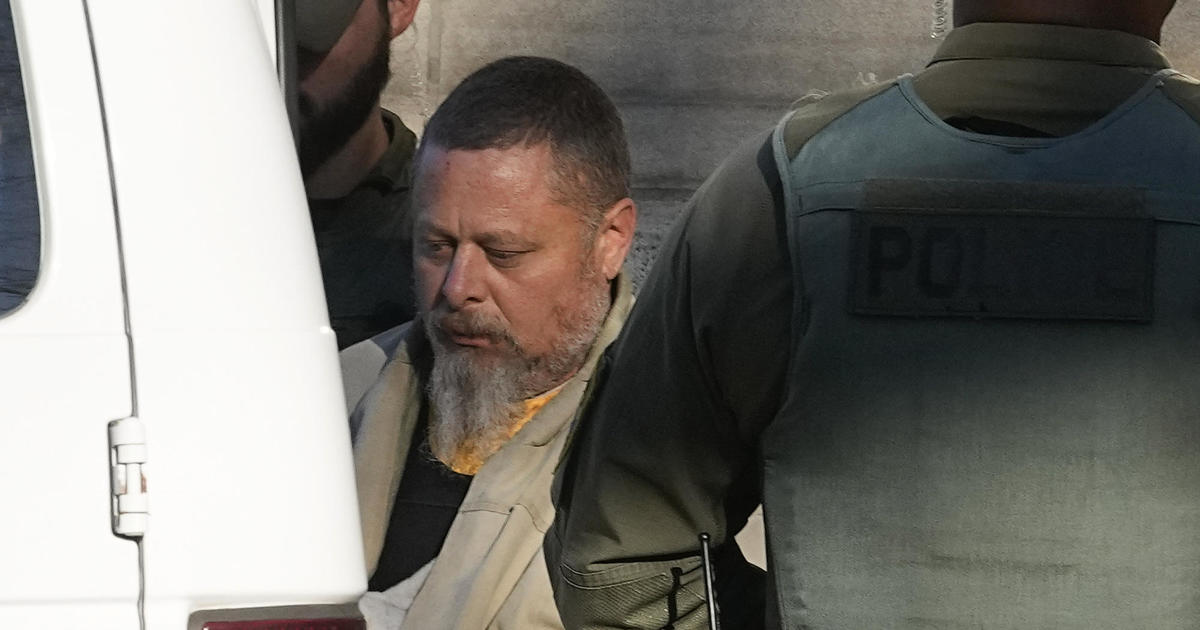
Jury Deliberates Without Reaching Verdict in Delphi Double Murder Case
First Day of Deliberations
Friday came to a close with the jury yet to deliver a verdict in the trial of Richard Allen, charged with the murder of two teenagers in 2017. The incident occurred while the girls were hiking in Delphi, Indiana.
Jury discussions began on Thursday afternoon and lasted two hours before pauses for the day. On Friday, the jury deliberated for an additional seven hours but didn't reach a conclusion. Deliberations are set to continue on Saturday.
Charges and Potential Sentence
Allen is contesting accusations of having committed murder and felony murder related to the deaths of Liberty 'Libby' German and Abigail 'Abby' Williams, aged 14 and 13, respectively. Should he be convicted of all charges, Allen faces a potential sentence of up to 130 years.
Jury's Considerations and Prosecutor's Assertions
The jury, comprised of seven women and five men, resumed discussions after listening to final statements in court. Their sessions are scheduled from 9 a.m. to 4 p.m., continuing until a verdict is reached.
Prosecutor Nicholas McLeland presented evidence suggesting Allen as the person caught in a low-resolution video by one of the victims on a deserted railway bridge just before they disappeared on February 13, 2017. In addressing the jury, McLeland stated, 'Richard Allen is the individual in the bridge video. He kidnapped and subsequently murdered the girls.'
The prosecutor shared recordings where Allen appeared to admit guilt during conversations with his wife, wherein he stated he was responsible for the deaths of Abby and Libby.
Defense's Argument and Lack of Physical Evidence
The defense questioned the validity of Allen's reported admissions, attributing them to altered mental states due to prolonged isolation. A psychiatrist corroborated that Allen experienced psychosis during solitary confinement. The defense argued that there is no tangible evidence linking Allen to the crimes, emphasizing that confessions were unwittingly made under duress.
The defense pointed out no eyewitnesses positively identified Allen at the crime scene, nor did fingerprints, DNA, or forensic evidence connect him to the events. Moreover, despite these allegations, Allen continued to live and work openly in Delphi for years following the crime.
Earlier, Allen's defense sought to argue involvement of a white nationalist group, the Odinists, in the murders, but the court disallowed this theory for lack of admissible evidence.
Chronology of the Events
The investigation began on February 13, 2017, when 'Abby' and 'Libby' were last seen on a hiking trail on Delphi's Monon High Bridge. They were reported missing later that day. The following day, the tragic discovery of their bodies, with fatal knife wounds and obscured by foliage, was made.
A photo and audio clip gleaned from Libby’s phone showing a man with his hands in pockets and a voice instructing the girls 'down the hill' became central to the case. Despite releasing these key evidences shortly after the murders, progress stalled until Allen's arrest in 2022.
Allen's Discovery and Arrest
In September 2022, a clerk revisiting evidence noticed Allen had placed himself at the crime scene shortly after the bodies were found. Despite his admission to being present on the trail, it took years for this information to resurface.
County Sheriff Tony Liggett remarked that Allen's initial confession was overlooked and he faded into the case’s overwhelming volume of tips. Subsequently, an unfired bullet found in proximity to the crime scene matched a firearm recovered from Allen's dwelling, leading to his arrest in October 2022 and subsequent charges.
Trial Developments
The trial commenced on October 18, with prosecutors focusing on Allen's numerous confessions while imprisoned. These admissions, reportedly made to various people, including family and prison staff, were significant points of evidence presented to the jury.
Testimony from Westville Correctional Facility's former lead psychologist, Monica Wala, revealed Allen's shift from claiming innocence to confession, which coincided with his return to suicide watch. During sessions with her, he recounted details of the crime, admitting guilt and expressing remorse.
Leave a Reply