


Helping Children and Ourselves Navigate Post-Election Times
Local Action Plans
In our household, the focus is shifting to local matters. While my older child is aware of the election, his mind is primarily on his upcoming school book fair. On the other hand, my two-year-old remains blissfully unaware of electoral matters.
Ignoring national occurrences is a luxury not afforded to all youngsters. Consider the plight of children whose undocumented parents might face the impacts of policies like mass deportation. Furthermore, election outcomes ripple through future generations, influencing climate action, democratic processes, and foreign relations on a global stage.
Engaging Kids in Civic Discourse
In the coming months and years, complex issues like these will be topics of conversation with my children. For those keen to deepen discussions on voting and civic duty with youth, advice from Vox’s Allie Volpe could be invaluable. Emphasizing local civic engagement is a particularly effective strategy.
Earlier this year, with my help, my older child expressed his concerns to New York City Mayor Eric Adams regarding proposed library budget cuts. The campaign was part of a larger citizen effort, culminating in the reversal of those cuts, demonstrating the power of collective voices.
The Importance of Local Communities
Children's worlds are inherently local—they are most affected by their family, school, and nearby community. This is a sentiment shared by many. One of my colleagues, Marina Bolotnikova, noted that she mitigates election stress by focusing on state and local policies which often more directly affect daily life.
As we reflect on this election’s results, I'll contemplate the roles my family and I can play within our community, and recognize the efforts of others doing the same, irrespective of federal leadership.
Initiatives and Innovations
A creative educational exercise, the New Jersey Mock Election, recently involved thousands of students in the electoral process, effectively teaching them about responsible voting. Being part of such a project helped one eighth-grader from realizing the importance of civic participation in electing leaders.
In a practical turn, the USDA is addressing the fees charged to families by online payment services for school meal accounts, with a ban in effect for the academic year 2027–28.
Engagement in Unexpected Forms
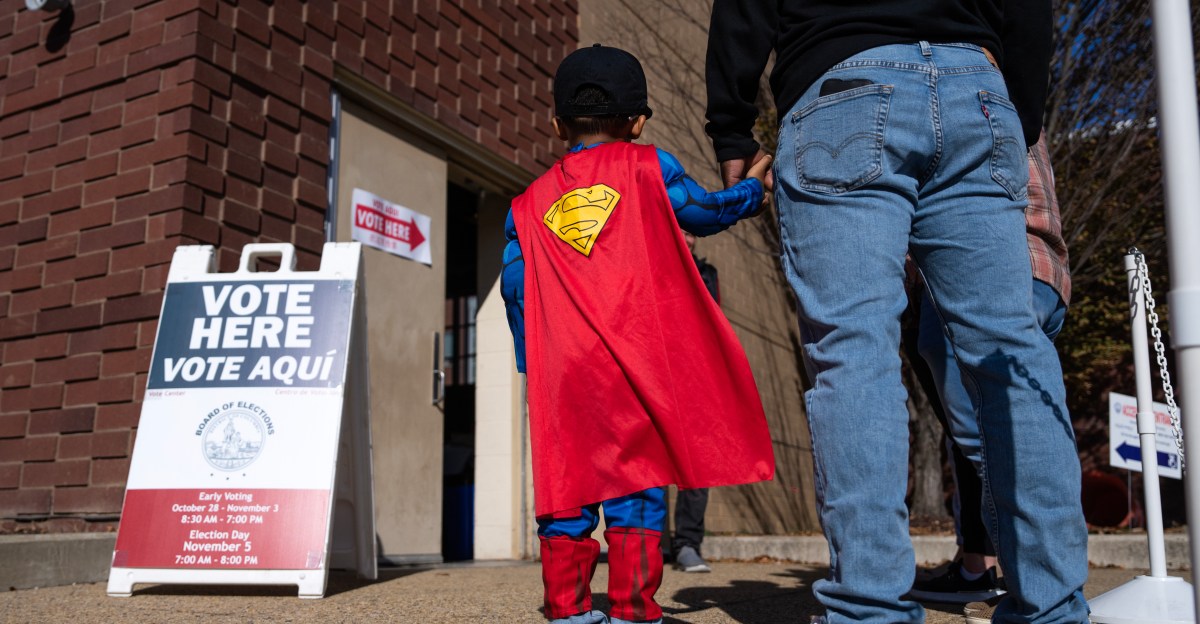
From personal anecdotes, a reader from Texas took his son to vote, where the emphasis on his role as a 'future voter' left a lasting impression. Similarly, his younger daughter enjoyed the experience, forming vivid memories with a whimsical chant for 'Washington for president!'
Such instances emphasize the diverse ways children engage with and learn from the democratic process, whether indirectly or through creative imagination.
Leave a Reply