


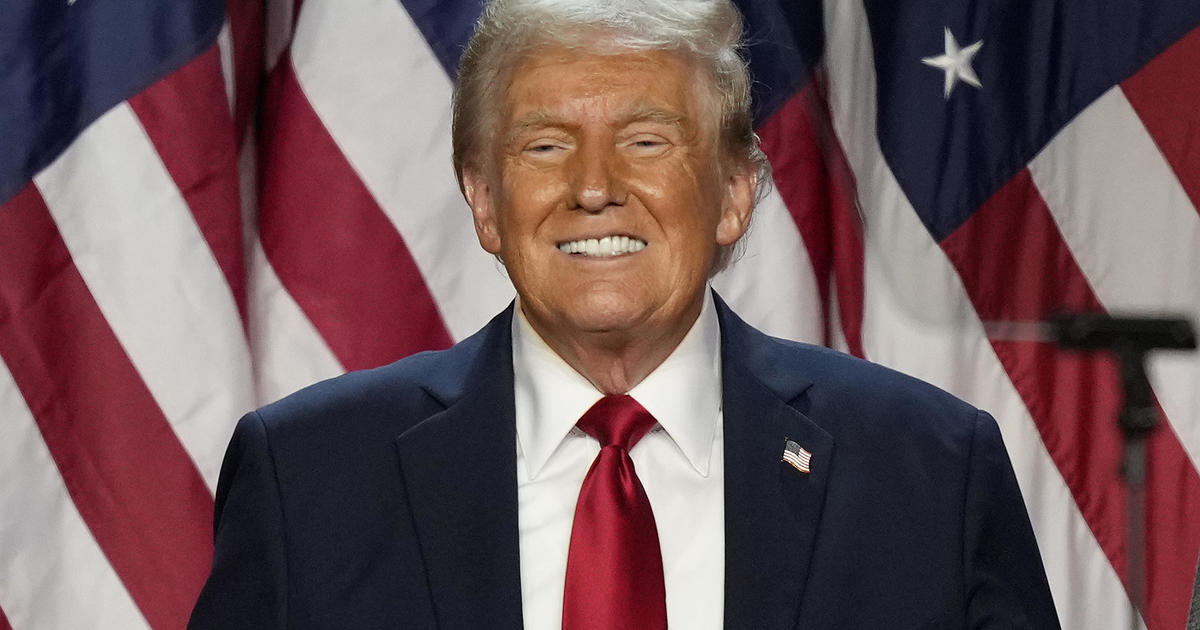
Five Potential Economic Impacts of Trump's Presidency on the U.S. Economy
The election of President-elect Donald Trump has highlighted the discontent of numerous voters in America, many of whom are still grappling with the highest inflation seen in four decades. The dissatisfaction with the economy's current path was evident among voters.
Trump's campaign made several promises aimed at addressing these economic concerns. He pledged to swiftly reduce prices and suggested a series of tax cuts for diverse groups, including businesses and individuals. One significant promise was to offset some tax reductions through strategies like renegotiating trade relationships, particularly with China.
In the wake of Trump's electoral success, analysts are evaluating how his economic plans could influence both the broader economy and individual financial well-being. There's already speculation on Wall Street that his strategies could enhance corporate growth, with some predicting a rise of up to 2.2% in corporate performance.
However, there is apprehension that his initiatives may drive inflation higher, posing challenges for consumers seeking price relief.
Ed Mills, a policy analyst in Washington with Raymond James, flagged potential inflationary pressures. He noted that Trump's tax, trade, tariff, and immigration policies could spark economic impacts and renewed inflation concerns, though he acknowledged that negotiations might mitigate potential downsides.
It remains uncertain whether Trump will effectively tackle pressing economic issues, especially if the House of Representatives shifts to Democratic control, potentially hindering his ability to extend and introduce specific tax policies from his previous administration.
Impact of Trump's Tax Initiatives on Finances
Central to Trump's tax proposals is extending key components of the Tax Cuts and Jobs Act, set to expire in 2025. These include maintaining lower tax rates and an expanded standard deduction.
Additionally, Trump aims to provide further tax reductions, advocating for a decrease in the corporate tax rate to 15% from the present 21%. Moreover, he has conjectured eliminating taxes on certain personal income streams, though specifics remain scarce.
According to the Tax Foundation, the combination of tariffs and Trump's tax cuts could become the sixth-largest tax reduction since 1940.
Should these tax adjustments become law, all income groups stand to benefit from decreased personal taxes, with high earners seeing the most substantial gains. The Penn Wharton Budget Model analysis predicts significant benefits for top earners, whereas middle-class households would see a moderate break.
Possible Inflation Surge?
Inflation remains a key economic concern, as many Americans feel the impact of the persistent pandemic-era price increase. Although inflation rates have relaxed towards the Federal Reserve's target, the sentiment of high prices persists.
Economists have warned that Trump's policy directions, particularly tariffs, could spur inflation, as these are essentially taxes paid by U.S. consumers. His immigration policies may also exacerbate inflation via labor shortages and upward wage pressures.
Jacob Channel, chief economist at LendingTree, shared concerns that tariffs and immigration reductions would make production more costly, thereby raising prices.
The Peterson Institute for International Economics estimates a potential $1,700 yearly cost increase for middle-class families due to proposed tariffs, while RBC Global Asset Management warned of a possible inflation hike.
Economic Growth Outlook
The strategy of cutting corporate taxes might initially accelerate U.S. economic growth. However, Oxford Economics suggests this effect could be short-lived, particularly as deportation and increased tariffs begin to weigh on economic progress.
Ryan Sweet, an economist at Oxford Economics, remarked that initial GDP growth might see a temporary uptick, but longer-term forecasts predict a slowdown as policy effects materialize.
Housing Market Implications
According to Lisa Sturtevant of Bright MLS, the housing market might not see improved affordability under Trump's economic framework.
If anticipated inflation materializes, it could restrict the Federal Reserve's ability to lower interest rates further, maintaining elevated borrowing costs and mortgage rates.
Additionally, Trump's immigration policies could impact housing construction, a sector heavily reliant on immigrant labor, potentially stalling needed supply increases and driving construction costs upwards due to tariff policies.
Trump's Policies and Investment Portfolios
Investment portfolios, like 401(k)s, might see benefits if proposed corporate tax cuts and deregulation are enacted, potentially boosting profits and, consequently, stock market performance.
There's visible optimism in financial markets, with notable indices reflecting positive anticipations of corporate expansion.
Solita Marcelli from UBS Global Wealth Management anticipates that lower taxes and deregulation could further bolster markets.
Another area of interest is cryptocurrencies, which could flourish under Trump’s plan to transform the U.S. into a global hub for digital currencies.
Yet, many economists, including Channel, caution that successfully implementing these policies will be challenging. Without sweeping changes, broader economic trajectories may remain largely unaffected, suggesting continuity rather than transformation.
Leave a Reply