


Trump Campaign's Unsettled Debts: The Impact on Local Budgets
As former President Donald Trump planned a rare visit to Albuquerque, New Mexico, the city's Democratic Mayor, Tim Keller, took the opportunity to remind Trump of the longstanding debt his campaign owes. "We're still waiting for Trump to settle the nearly half a million dollars he owes. Maybe he's bringing a spooky Halloween payment? We're not holding our breath," Keller tweeted alongside a photo of a skeleton at a desk.
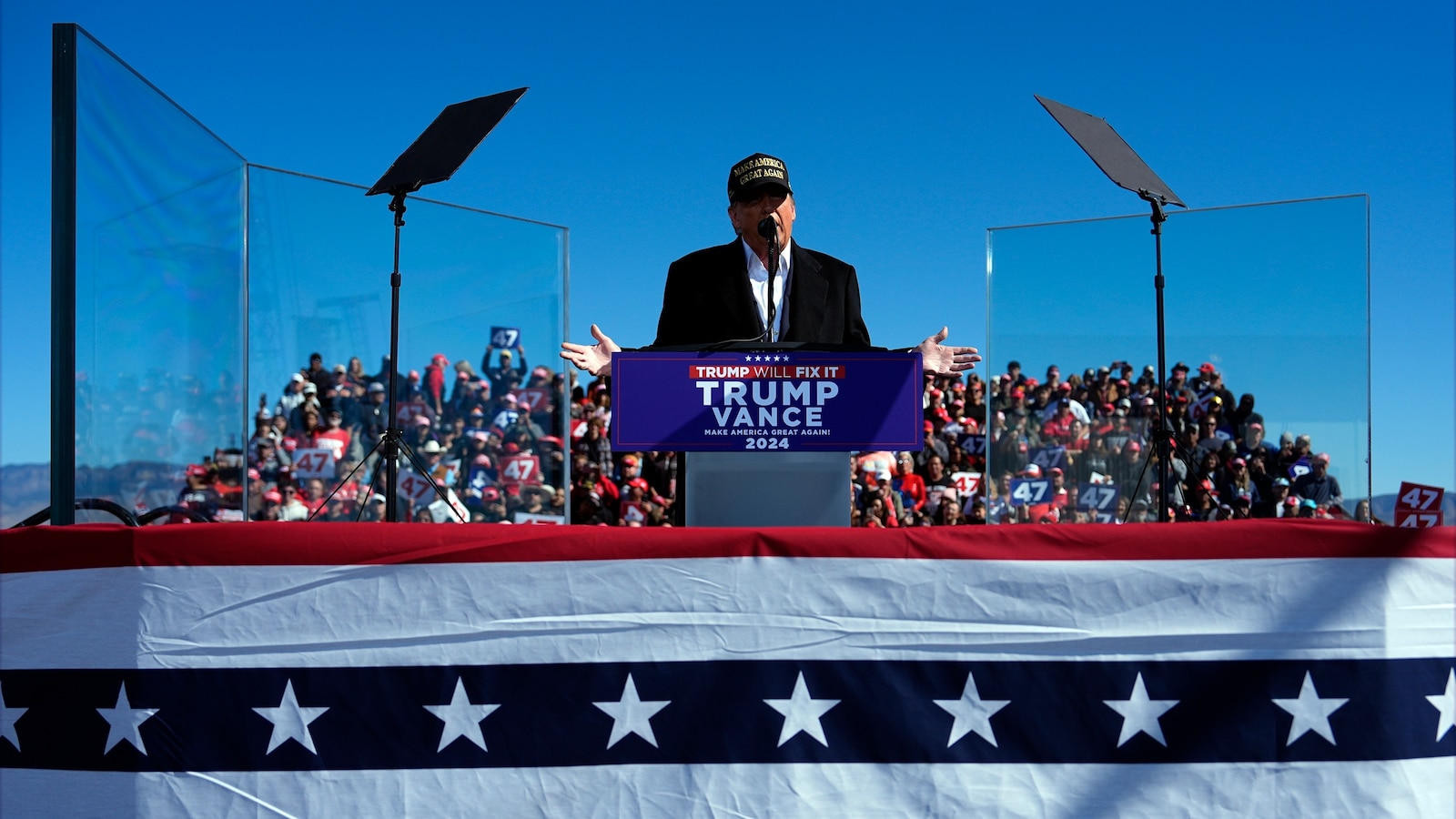
In his first Albuquerque appearance since 2019, Trump was reminded of the $211,176 in public safety costs the city covered for a rally held five years ago. Due to accumulated interest, the debt has nearly doubled to $444,986.
Albuquerque is not alone. Across the United States, Trump's campaign events have led to unpaid bills for numerous towns and cities. Costs have ranged from tens of thousands to hundreds of thousands of dollars, often stretching local budgets thin with unexpected public safety expenses. The issue spans Trump's three presidential campaigns.
Despite Trump’s public support for law enforcement, his campaign's non-payment of expenses for police, firefighters, and emergency responders contrasts with his promises to improve conditions for these workers. This incongruity is particularly evident in the wake of his criticism of Vice President Kamala Harris’ stance on policing.
Trump's rallies, bringing throngs of people to typically small locales, demand significant public resources, often exceeding those required by other presidential candidates. As a result, many cities are left with substantial costs and little recourse for reimbursement.
Albuquerque faced a considerable strain during Trump's 2019 rally, having to close key city areas and assign over 1,500 hours of overtime to police and city workers. The unpaid bills have been forwarded to Trump's residences in New York and Mar-a-Lago, but without result.
In some cases, cities like Rio Rancho, opted against billing the campaign for logistics expenses. They cited the necessity of these expenditures for community safety. In Nassau County, New York, Democrats even lodged an FEC complaint after costs from a Trump rally went uncompensated.
According to Shanna Ports, senior legal counsel at the Campaign Legal Center, deploying governmental resources for campaign events without reimbursement is permissible if those resources are strictly ensuring attendee safety, much like any non-campaign event.
Cities Struggle to Recoup Costs from Campaign Events
Not all cities are as forgiving. Multiple local governments, particularly in battleground states like Wisconsin and Pennsylvania, have attempted to collect debts from the Trump campaign, yet have seen limited success.
In Green Bay, Trump's 2023 campaign stop has piled onto previous debts, including a lingering sum from his 2016 visit. This pattern of unpaid debts isn't exclusive to Trump, as Hillary Clinton's 2016 campaign similarly left dues in the same city.
Erie, Pennsylvania, has invoiced Trump's campaign for a September rally, adding to previous unpaid amounts. This leaves Erie in a similar predicament, struggling to cover arising public safety costs without adequate funds.
In exploring repayment, local officials find there’s no established mechanism for federal reimbursement of local costs incurred during such high-profile visits. This lack of infrastructure compels cities to absorb expenses, even as Secret Service and other authorities recognize the need for better support frameworks.
Innovative Measures to Secure Campaign Payment
El Paso, Texas has engaged legal representation to pursue over half a million dollars in costs linked to Trump’s 2019 rally. Other locales, like Tucson, Arizona, opted for a preventive approach, requiring upfront payments for future campaign events.
Eau Claire, Wisconsin, has revised its billing process, charging venues rather than campaigns directly to ensure payment for public safety services. This method ensured payments for more recent high-profile visits, shifting financial burdens away from the city's budget.
Officials in Prairie Du Chien, Wisconsin, express frustration over Trump's campaign's reluctance to pay for public safety costs. Mayor Dave Hemmer had candid discussions with the Trump team about these unpaid costs, reflecting a broader dissatisfaction among small communities facing financial strain from campaign events.
The same communities acknowledge that while their budgets can endure some extraordinary expenses, they need campaigns to act responsibly and reimburse incurred costs to maintain fiscal balance.
Prairie Du Chien, and other towns like it, prefer not to host events without clear commitments for pre-paid services. As cities develop strategies for dealing with large-scale campaign visits, their emphasis remains on transparency and fiscal responsibility to avert unexpected financial challenges.
Leave a Reply