


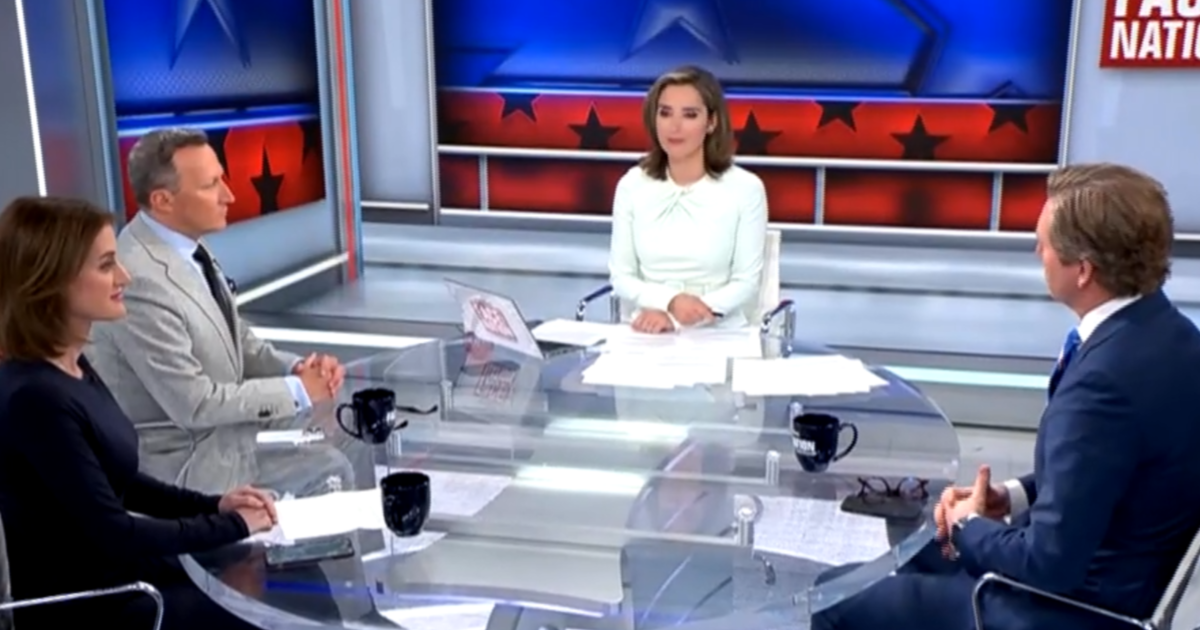
Conversation with David Becker, Samantha Vinograd, and Chris Krebs on 'Face the Nation', November 3, 2024
On this segment of Face The Nation, we welcome a distinguished panel to discuss election security and law: David Becker from the Center for Election Innovation and Research, former CISA head Chris Krebs, and Samantha Vinograd, once at DHS. Let's dive into a significant week ahead. Chris, we are currently in the 48-hour alert period Microsoft has highlighted for potential cognitive manipulation efforts. The FBI has already flagged multiple fabricated videos, including incidents with Russian involvement aiming at misleading voters. How have these influences changed since the previous elections in 2016 and 2020?
CHRIS KREBS: Through the years, Russian methods have transformed. In past elections, content was often directly produced in Russia, particularly from places like St. Petersburg with groups such as the Internet Research Agency. Over time, increased intelligence community efforts have pushed Russia to adapt by using platforms like Telegram or laundering information through platforms such as X. Americans then unknowingly further distribute these videos via social media, extending their reach. However, many of these efforts are unsophisticated, revealing gaps in their tactics, though their sheer quantity aims to cloud and mislead.
MARGARET BRENNAN: The goal is to erode trust in our democratic systems. Sam, what varied foreign interference are other countries engaging in this election cycle, such as Iran, which reportedly prefers Harris, opposite to Russia's backing of Trump?
SAMANTHA VINOGRAD: Iran's strategy is twofold: vilifying President Trump to favor Vice President Harris, considering Trump's past policies and potential future actions, and spreading disillusion about the election's credibility. They craft AI-driven content highlighting supposed voter fraud, exacerbating tensions and distrust in the electoral process. We can anticipate that such operations will become more nuanced, especially in prolonging doubts about electoral legitimacy beyond Election Day.
MARGARET BRENNAN: This is more than just altering votes; it’s about undermining faith in democracy. With 76 million citizens having already cast their votes, could these figures suggest the enemy is less effective, or are concerns among election officials real?
DAVID BECKER: Early voting bolsters resilience against misinformation. Those who vote ahead of the actual day arm themselves against deceptive tactics meant to confuse or inhibit their participation. Having this high turnout before Election Day means that many voters are less exposed to last-minute misinformation attempts, particularly in critical states like Georgia and North Carolina. Though attempts to destabilize the process occur, the impact is minimized.
MARGARET BRENNAN: What's your advice to voters seeking accurate election information?
DAVID BECKER: Trust your local and state election offices for the most reliable information. Each state has official resources, often the Secretary of State’s site, or equivalent local boards, to ensure voters receive accurate guidance.
MARGARET BRENNAN: During your tenure, Chris, there were decisive actions against foreign meddling, such as disabling Russian networks. Can the US execute similar countermeasures today?
CHRIS KREBS: Definitely. However, adversaries like Russia and Iran may not possess the infrastructure like in previous cycles, partly due to proactive measures like the DOJ's dismantling of disinformation networks. Strengthening defenses while eradicating threats shows promise in sustaining election integrity.
MARGARET BRENNAN: The issue of unwitting American participation in spreading false narratives—would you say that's significant?
CHRIS KREBS: Indeed. With recent disclosures, such as the funding links between a Tennessee media outlet and Russia, it's crucial voters rely only on validated sources, like those run by election officials, to deter misinformation.
MARGARET BRENNAN: Sam, we've seen steps taken for physical safety at voting sites, like Washington State activating the National Guard. Are there concrete threats identified by authorities?
SAMANTHA VINOGRAD: While the threat landscape remains complex and prolonged, proactive measures involving federal, state, and local agencies are vital. Experience, especially following events like January 6th, has driven comprehensive planning to counter any potential unrest, ensuring rigorous security preparations cover myriad scenarios.
MARGARET BRENNAN: David, about concerns around non-citizen voting brought up by Senator Rubio, how are these cases handled?
DAVID BECKER: Non-citizen voting is exceedingly rare, with states implementing numerous safeguards. Historical data from states like Ohio and Georgia reflects very few such occurrences. Any violation is met with severe penalties, serving as a deterrent and reaffirming the rarity of these incidents.
MARGARET BRENNAN: Thanks for explaining the processes ensuring electoral integrity despite foreign attempts to amplify false claims. We appreciate your insights. We'll continue this vital discussion with updates ahead.
Leave a Reply