


Revolutionary Approach to Fund Conservation via Big Pharma
A novel strategy has emerged to compel major corporations to financially support biodiversity preservation, as they profit from nature's DNA.
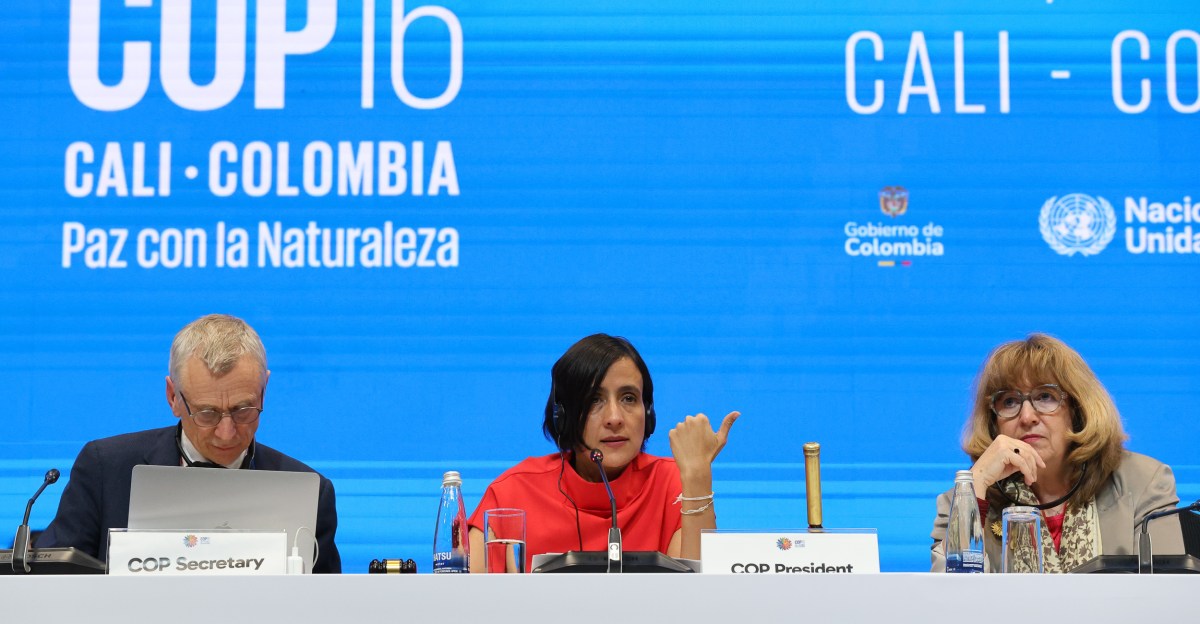
CALI, Colombia — With the rapid decline of wildlife, nearly every global government has committed to an innovative agreement aimed at channeling more financial and other resources into conservation, notably in the world's economically disadvantaged areas.
Should it prove effective, this agreement — concluded in the early hours of Saturday at the UN biodiversity conference labeled COP16 — could potentially raise over a billion dollars annually to safeguard the environment.
Funds will be sourced from an unconventional stream: industries leveraging the genetics of wild species for products like pharmaceuticals and beauty aids. A vast array of global databases holds such genetic blueprints, utilized by businesses for product development. For instance, Moderna incorporated numerous genetic codes from respiratory viruses to swiftly create its Covid-19 vaccine, ultimately earning billions.
Amber Scholz from Leibniz Institute DSMZ in Germany emphasized the undeniable rewards companies gain from biodiversity.
The Cali Fund Initiative
This initiative demands that large-scale enterprises in fields relying on genetic sequences, such as biotech and nutrition, contribute a fragment of their profits or revenues to a newly established conservation fund, dubbed the Cali fund. Proposed contributions stand at 1% of profits or 0.1% of revenue; however, adjustments can be made pending reviews. This methodology is partially inspired by studies from the London School of Economics.
The UN-managed Cali fund dedicates its resources to preserving the biological variety from which these genetic treasures are derived. Allocation will be dependent on factors like local biodiversity and genetic output, with the plan outlining that at least half the funds prioritize indigenous and community needs in low-income regions. Precise distribution methods will be refined in subsequent discussions.
William Lockhart, a UK negotiator for the plan, called it a global chance for profit-making entities to redirect funds to impactful conservation activities.
Unique Global Funding Tool
Elaborating on the significance, Lockhart pointed out that this is the sole international mechanism primarily funded privately for conservation purposes.
Flora Mokgohloa from South Africa hailed the initiative as transformative for communities shielding biodiversity.
Intellectual property law expert Siva Thambisetty described the effort as rectifying historical inequalities, noting that biodiversity-rich developing nations have been largely excluded from the benefits of their own natural resources, which enrich corporations in affluent countries.
Uncertain Outcomes
The finalization of this strategy came in the waning moments of COP16, with many variables still undefined, including its financial impact or enforceability. Despite the Convention on Biological Diversity's legal binding nature, this plan's power hinges on integration into national legislatures. Some nations already have genetic access laws that might coexist or conflict with this plan.
The challenge further amplifies as the US, a non-member of the biodiversity treaty alongside the Vatican, might offer no motivation for American firms to comply.
Critiques and Future Prospects
Critics from less affluent nations claim the plan inadequately addresses 'biopiracy,' where companies reap biodiversity benefits without recognizing the safeguarding communities. Nithin Ramakrishnan from Third World Network voiced concerns about undermining sovereign control over genetic resources.
Conversely, many experts predict that influential corporations will likely contribute, especially internationally active ones, due to regional adherence pressure in areas like the European Union. Scholz reiterated that firms are increasingly wary of the reputational risks tied to environmental disregard.
Bupe Mwambingu from Basecamp Research expressed willingness to pay, viewing it as an investment in conserving their business's foundational resources.
Pharmaceutical Industry Reactions
The pharmaceutical sector's response has been mixed, with the federation leader David Reddy critiquing the balance between generated benefits and the socio-scientific costs.
Reddy emphasized the need for a system that doesn't add more burdens to the research and development landscape involving academia and biotech firms.
A Call for Global Responsibility
Although financial inflows to the Cali fund may take time, the broader message is clear: nations and enterprises profiting from digital genetic assets must return a portion to nature's guardians.
Leave a Reply