


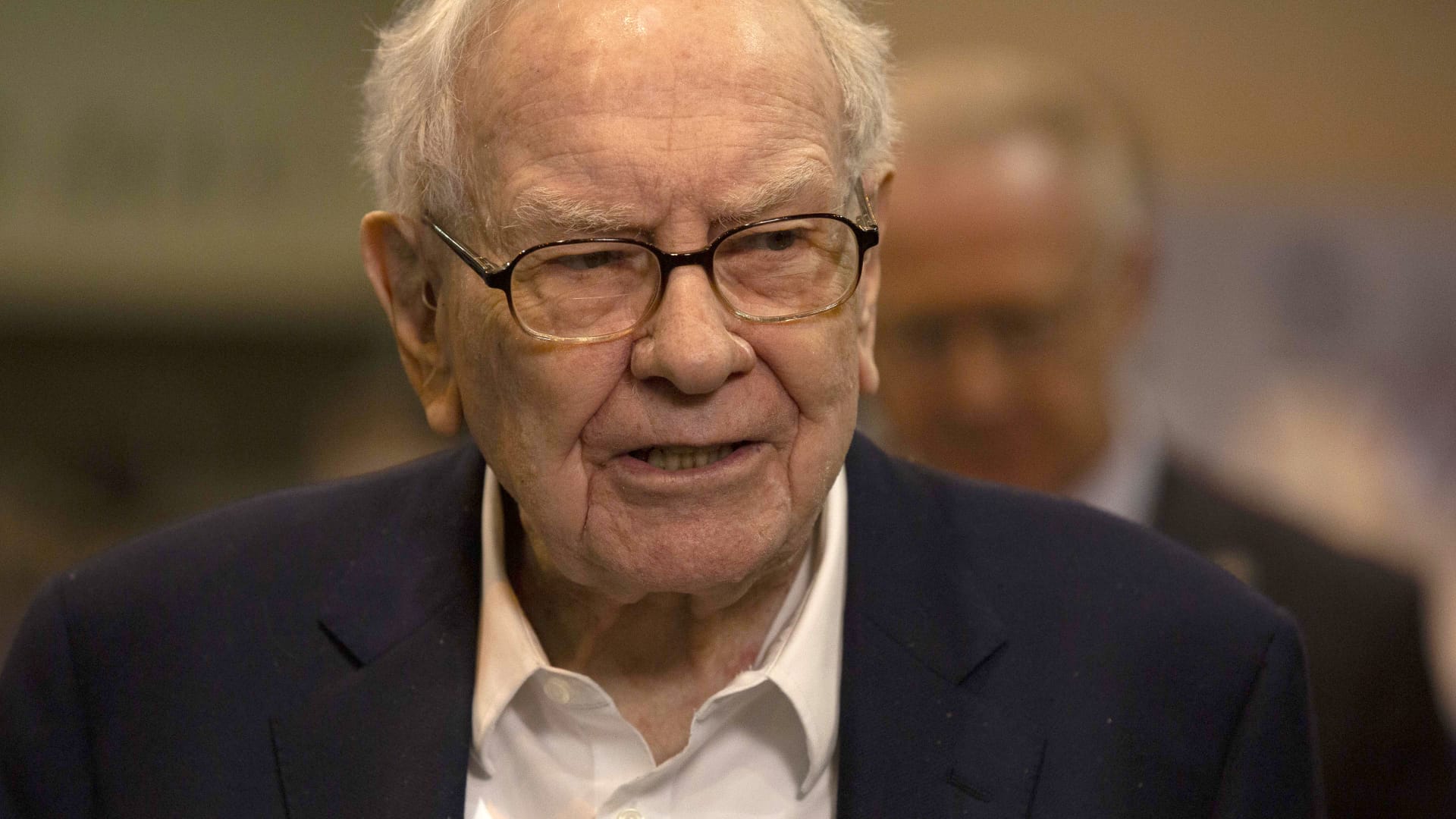
Berkshire Hathaway's $300 Billion Cash Reserve Grows as Buffett Sells More Shares and Halts Buybacks
Berkshire Hathaway's massive cash reserve reached $300 billion during the third quarter as Warren Buffett continued offloading stocks and refrained from share repurchases.
By the end of September, the company's cash reserve had increased to a record $325.2 billion, up from $276.9 billion in the previous quarter, as reported in its recent earnings disclosure.
The cash reserve expanded as Buffett sold substantial portions of major equity investments. Notably, Berkshire reduced its substantial investment in Apple for the fourth consecutive quarter. Additionally, since mid-July, the company has earned over $10 billion by selling a significant portion of its long-held stake in Bank of America.
Overall, the 94-year-old veteran investor continued his selling trend, with Berkshire disposing of $36.1 billion worth of stocks in the third quarter.
Pause on Stock Buybacks
During this period of selling, Berkshire chose not to repurchase any company shares. Earlier in the year, buyback activities had already tapered as Berkshire shares outperformed the broader market, achieving record levels.
In the second quarter, the company only repurchased $345 million of its own shares, a stark contrast to the $2 billion repurchased in each of the two preceding quarters. The corporation indicates that share buybacks will occur when Chairman Buffett determines that the repurchase price falls beneath the conservatively assessed intrinsic value of Berkshire.
Berkshire's Class A shares have surged by 25% this year, surpassing the S&P 500's 20.1% year-to-date gains. The conglomerate surpassed the $1 trillion market capitalization mark in the third quarter, reaching an unprecedented peak.
For the same quarter, Berkshire reported operating earnings of $10.1 billion from its owned businesses, a decrease of about 6% from the previous year due to weak performance in insurance underwriting. This figure slightly missed the expectations set by analysts based on a FactSet consensus.
Buffett's cautious approach emerges as the stock market strengthens, buoyed by expectations of a smooth economic recovery with lowering inflation and ongoing interest rate cuts by the Federal Reserve. However, recent trends show the 10-year Treasury yield surpassing 4%.
Prominent investors, such as Paul Tudor Jones, have expressed concerns about the escalating fiscal deficit. Additionally, neither presidential candidate in the upcoming election seems poised to reduce spending to tackle it. Buffett has suggested selling stock holdings in anticipation of increased tax rates on capital gains to address the growing deficit.
Leave a Reply