


Trump’s Tariffs: Diminishing Options for U.S. Importers
American firms that relocated their production from China are finding their plans thwarted by the latest tariff impositions, leading to a state of indecisiveness.
In a world marked by chaos, Jacob Rothman believed he had found stability.
Originating from California, Mr. Rothman has spent over twenty years operating factories in China, producing grilling gadgets and kitchen gear for global giants like Walmart. Long before others in the corporate sphere, he identified the tensions affecting U.S.-China relations.
The former President, Donald Trump, initiated tariffs on Chinese imports during his tenure. His successor, President Joe Biden, has upheld this strategy. The COVID-19 pandemic highlighted the risks of U.S. dependency on Chinese manufacturing for crucial goods such as ventilator components and essential medicines.
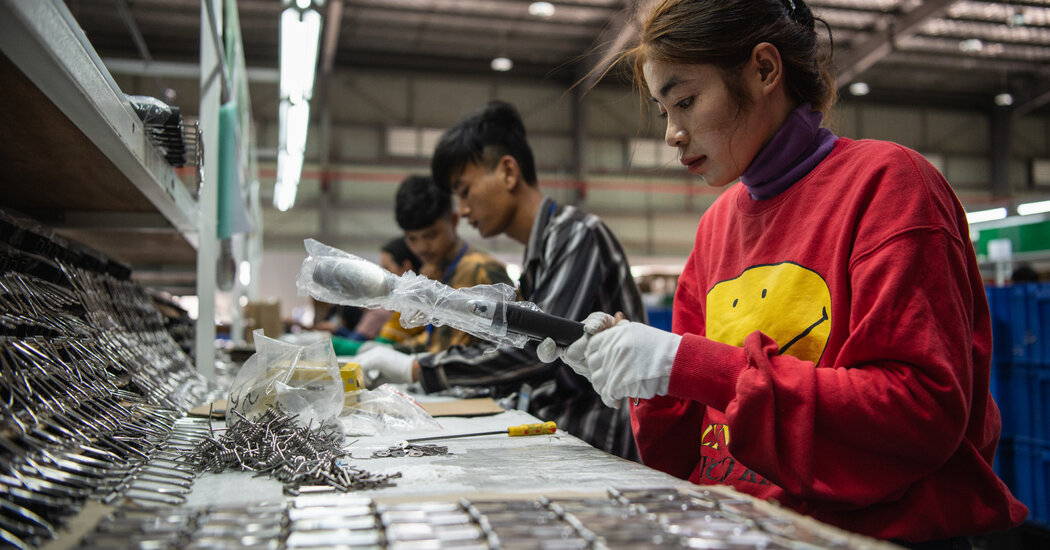
Foreseeing a need for non-Chinese production capabilities, Mr. Rothman and his enterprise, Velong Enterprises, prepared for a shift. They formed partnerships in Vietnam and India and established a factory fully-owned in Cambodia, aiming to mitigate risks from tariffs, discord, or natural calamities.
Unexpected Economic Challenges
Mr. Rothman believed he had strategically positioned ahead of potential challenges until an unforeseen wave of tariffs affected numerous countries simultaneously, leaving him unsettled. "It's catastrophic," he reflected. "The future is unclear for many."
Despite a recent pause in most tariffs by the U.S., with the exclusion of China, Mr. Rothman’s concerns persist. "The definition of 'safe' is uncertain," he lamented. "A policy approach that thrives on disorder means even regions like Southeast Asia are no longer considered secure."
He speculated that Southeast Asia might soon face tariffs, following a U.S. viewpoint that links the region to Chinese commercial activities.
Leave a Reply