


Why Greenland Has Captured President Trump's Interest and the Islanders' Perspectives
Greenland, with its sprawling landscape—triple the size of Texas and yet only inhabited by around 57,000 people—has historically been overlooked. Recently, however, it has surged into global awareness due to President Trump's proposition to purchase it from Denmark. His continued insistence, even alluding to forceful acquisition, has sparked anxiety and speculation among the indigenous Inuit residents. Our extensive exploration of this cold territory illuminated its newfound geopolitical allure.
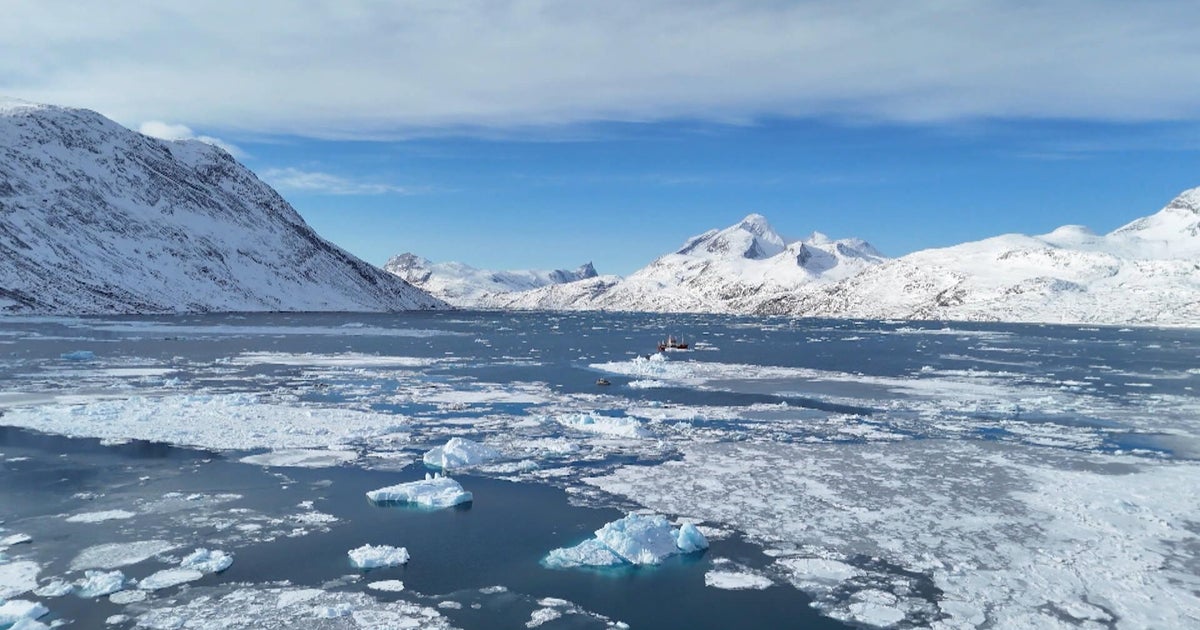
Renowned for its ice-capped terrain and picturesque fjords, Greenland has been under Danish rule for 300 years, despite being geographically closer to New York than Copenhagen. The settlements dotted along the coast highlight the region's isolation, as they remain unlinked by roads.
Crossing Greenland's daunting landscape by foot or ski is common. This is a sentiment echoed by Maliina Abelsen, a prominent figure in Greenland and former finance minister, who notes the overwhelming media focus on her homeland.
Maliina Abelsen expressed the intensity of global interest, attributing it to a shifting world order that has spotlighted Greenland. Abelsen, now leading Royal Greenland, a key player in the fishing sector, emphasized the challenging but resourceful business climate dictated by Greenland's harsh weather.
Travel disruptions are a norm in Greenland, yet the vast distances and frigid conditions, like the negative 12 Fahrenheit morning we experienced, acclimatize residents and visitors alike to adaptability.
Historically settling in 982, Erik the Red, a controversial figure, named this hardly green land Greenland to entice settlers. In modern times, Greenland's worth has again come under international consideration.
In recent discussions in U.S. Congress, Aqqaluk Lynge, a senior Inuit leader, voiced Greenlanders’ disapproval at being portrayed as mere commodities by President Trump.
Lynge articulated the offense felt across Greenland at being reduced to America's plaything, which has stoked a desire for independence and reevaluation of their connection with Denmark—a historically complicated relationship due to financial dependence and cultural imposition.
Maliina Abelsen explained the strained 'marriage' between Denmark and Greenland, and how Trump's interest seemed to some like an appealing alternative, despite the risks of losing cultural identity akin to Alaska’s Inuit experience.
In Nuuk, a public protest drew attention to this contentious dialogue, uniting citizens, including newly appointed Prime Minister Jens-Frederik Nielsen, under a call for self-determination: 'Greenland is for Greenlanders,' they declared.
As America's interest persists, Chris Cox of 'Bikers for Trump' launched a grassroots effort, assuring his mission to Greenland was about cultural exchange rather than conquest.
Historically, the United States has flirted with the acquisition of Greenland, notably during World War II when it established military bases there, leaving enduring marks, both physical and ancestral, on its landscapes.
Despite past efforts to purchase Greenland falling through, current U.S. military interests remain robust, exemplified by the strategic Pituffik Space Base.
Questions linger about why Trump sees ownership as necessary when U.S. military influence in Greenland is already significant, according to Ole Wæver, who suggested that aggressive pursuit might destabilize international norms.
Critics of Trump's agenda warned that any annexation attempt would disrupt NATO and escalate international tensions, echoing historical precedents where might attempts to dictate right.
The Economic Promise of Greenland's Rich Resources
Beyond strategic positioning, Greenland's untapped natural resources are another allure. Eldur Ólafsson, leading Amaroq Minerals, unveiled Greenland’s mining potential, notwithstanding the prohibitive logistical challenges.
Speculation about vast reserves of precious minerals, such as gold, tantalizes investors, though skepticism remains about the feasibility of their extraction.
Despite these contentious issues, Greenland remains open to foreign investment, provided it aligns with local regulation and respect for sovereignty.
Ultimately, the discourse around Greenland’s future hinges on balancing interest in its strategic and economic assets with the rights and wishes of its people. The growing tension serves as a reminder that, in matters of international relations, respect for indigenous sovereignty and environmental stewardship are paramount.
Leave a Reply