


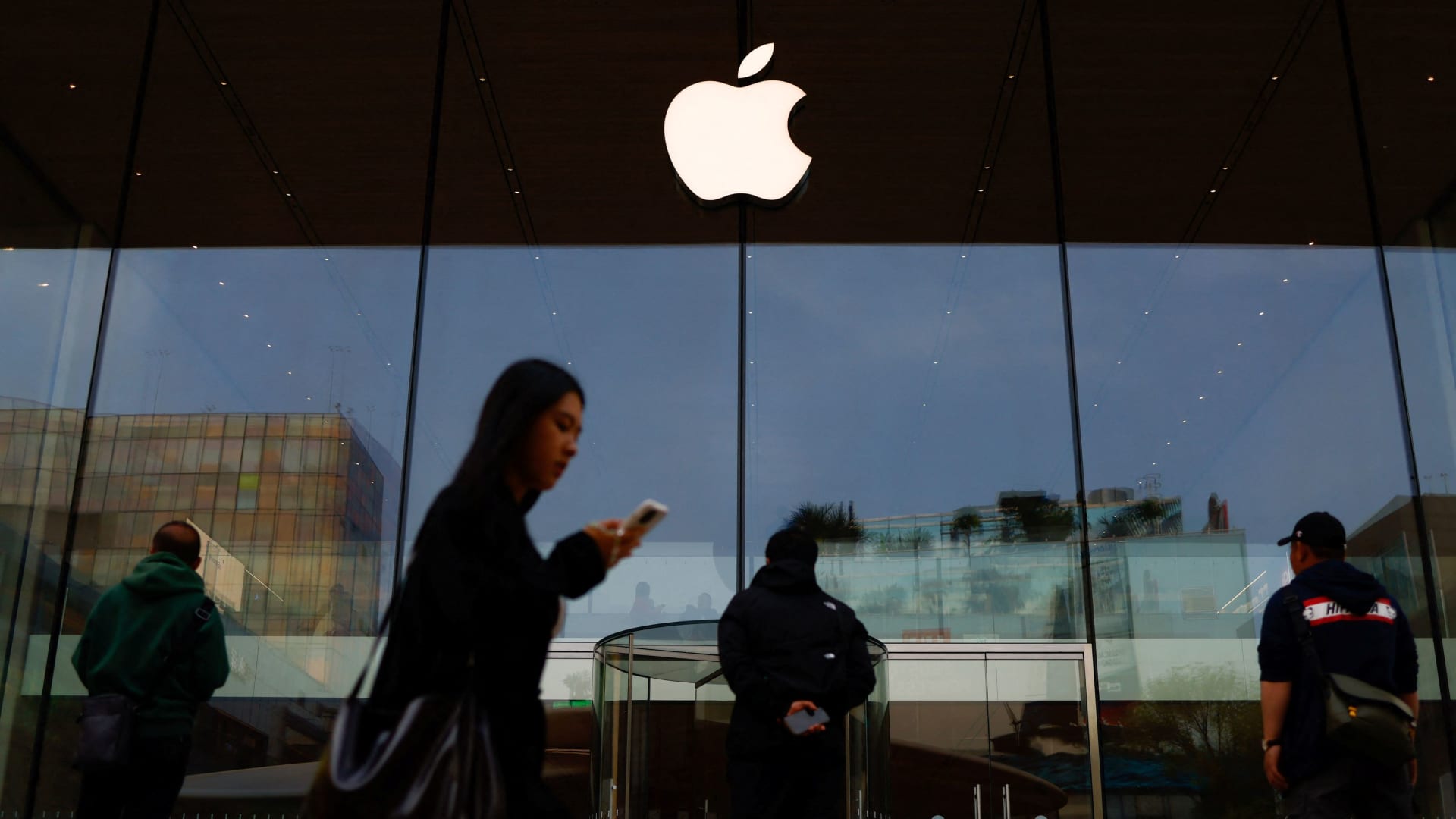
Cramer: Challenges in Owning Apple and Nvidia in Trump's Presidency
The term 'reset' is frequently tossed around by analysts on television to depict current market events. This term, in my view, is cryptic Wall Street jargon, which I translate to mean unforeseen negative circumstances are now impacting stocks or sectors that were once favorable.
At the moment, the financial landscape is ridden with these resets, making it a daunting task to fully comprehend and assess their implications for one's investment portfolio. However, one irrefutable conclusion is that historical performance data have lost their predictive value during Trump's presidency.
This doesn't suggest surrendering investment strategies or liquidating assets. Unlike the 2007 financial meltdown, what's needed now is a revamped approach and acknowledgment of a narrower selection of appealing stocks. Some companies remain viable investments, while others might need to be temporarily sidelined.
On Friday evening, there was a glimmer of optimism, suggesting that advocacy concerning the undue penalization of certain companies due to their ties with China had reached the president. Notably, Nvidia and Apple—key players in today's stock market—were spared an impending crisis due to the administration’s decision to exempt tech products from reciprocal tariffs.
Despite this temporary relief, an enduring shift in policies is evident. Comments from Commerce Secretary Howard Lutnick over the weekend hinted at short-lived respite as businesses must strategize to bring production stateside. Nvidia is showing initiative, producing semiconductors domestically, though margins aren't as favorable as those achieved in Taiwan.
Apple presents a more complex scenario, as relocating some manufacturing to India may not align with administration expectations. Some government officials oppose exemptions, suggesting Apple should establish operations in the U.S. The daunting challenge facing Apple may downgrade its stock from an essential holding to one best avoided.
On the other hand, if tariffs apply to South Korean devices, Apple could gain market share from Samsung. Yet, this scenario is highly unpredictable and influences my current investment position on Apple, prompting a sell-off consideration.
Nvidia's Market Perception
Conversely, Nvidia has secured some reprieve, but complete relocation to the U.S. remains improbable. Despite this, Nvidia's strategic importance in robotics, AI, and autonomous vehicles keeps it attractive. Yet, Friday night’s insights revealed Nvidia has become tantamount to a 'meme stock,' manipulated beyond its intrinsic corporate value.
With volatile market dynamics and a deluge of options trading, Nvidia’s stock appears subject to rumors rather than real demand. As such, it no longer reflects Nvidia's foundational business performance.
Banking Sector Challenges
The reset extends beyond technology; it also encompasses banking. Last Friday's earnings reports were notably disheartening. For some institutions, the discord between expectations and reality added to the grim market environment—sending ripples through asset valuations.
While certain banks faced significant hurdles, others navigated these turbulent waters with more resilience. However, investing in entities with substantial corporate or country-specific risks akin to the early stages of international market relations requires caution.
As the market adapts to these volatile conditions, portfolio holders must reassess and respond to strategic shifts, recognizing that the unpredictable climate under Trump's administration demands keen attentiveness to ever-changing investment landscapes.
Leave a Reply