


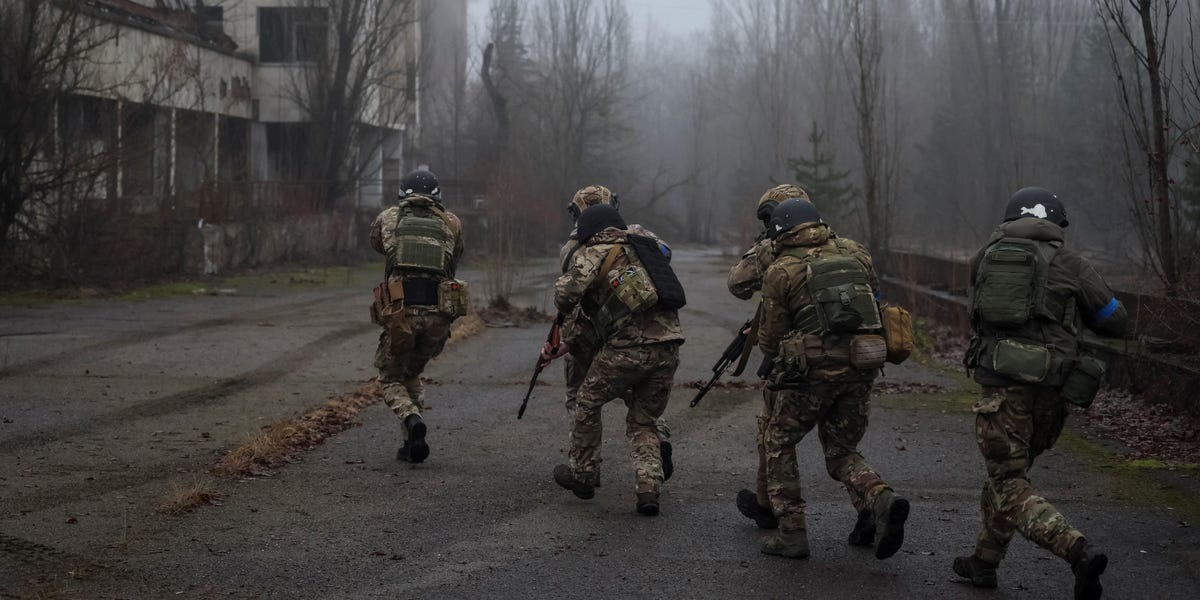
Chernobyl: A Scar of Conflict and Radiation
In Chernobyl, Ukraine, a grim reminder of a past nuclear calamity now bears a new scar from modern warfare.
Earlier this year, February witnessed the steel shelter over the wreckage of the Chernobyl reactor being breached by an explosive-laden drone. Ukrainian authorities attribute this to Russian forces, though Russia dismisses these claims. Repair efforts are ongoing, yet the strike on such a radioactive location raises fears of a potential disaster brewing amidst human conflict.
Chernobyl stands as a testament to historical tensions between Russia and Ukraine, a vestige of the Soviet Union's failure. This site of radioactive dust poses a constant threat; should it be disturbed, there’s a danger of contamination spreading far and wide, as noted by a site director.
War's New Mark on Old Wounds
Business Insider reported on the current state of the Chernobyl Exclusion Zone. This site not only holds the remains of a nuclear tragedy from 1986 but also bears new signs of conflict stemming from Russia's invasion of Ukraine three years ago.
The Russian military's initial overture into Ukraine heavily impacted this region, sweeping in from Belarus to try capturing Kyiv. Despite the failure of this move and a subsequent withdrawal, Russia’s presence left deep-rooted scars on the community and infrastructure.
The Occupation's Haunting Memory
Originating during Ukraine's Soviet era, the Chernobyl Nuclear Power Plant was a bustling emblem of progress, with Pripyat housing thousands of inhabitants. However, a tragic accident on April 26, 1986, altered its destiny forever.
An ill-fated test resulted in an uncontrolled reactor explosion, dispersing radiation across Europe. Immediate fatalities numbered in the dozens, while innumerable others were affected over time. The subsequent evacuation left an indelible mark on the region.
With Russian forces seizing Chernobyl in early 2022, chaos reigned once more. For those like Sergey Kireev, the tumultuous days of occupation brought both confusion and danger. Many critical documents were salvaged, yet much was irrevocably lost.
Covert Intelligence Amid Conflict
Despite the turmoil, some individuals who remained covertly gathered intelligence on Russian forces, relaying valuable information back to the Ukrainian military.
As Russian control tightened, instances of looting and reckless behavior became commonplace. The established protocols for navigating radioactive risks were often ignored, exacerbating potential hazards.
A Fragile Peace in a Radioactive Zone
Post-occupation, the exclusion zone remains heavily fortified, with constant reminders of past confrontations. Vestiges of destruction and defensive preparations can be seen throughout.
Mangled vehicles and fortified checkpoints dot the landscape, speaking to the hidden dangers and strategies employed to protect what remains. Amidst this, efforts continue to mitigate the radiological legacy of Chernobyl.
Recent Aggressions Stir Fear
As the tension persists, a drone incident significantly damaged the New Safe Confinement—a structure crucial to containing nuclear remnants. Though radiation levels remained stable, the threat to global safety looms large.
Ukrainian President Zelenskyy condemned the attack while reaffirming the collaborative effort by nations to secure the Chernobyl site, withstanding the uncertainties poised by ongoing military actions.
Current events remind us how vulnerable nuclear sites are, particularly with active conflicts placing both operational and defunct facilities at risk. The international community watches closely, apprehensive of possible escalations.
A Global Echo from Chernobyl
Chernobyl continues to serve as a silent witness to the dangers of both nuclear disasters and unchecked aggression in war. International vigilance and cooperation remain crucial to preventing another catastrophe from taking root at this storied site.
Leave a Reply