


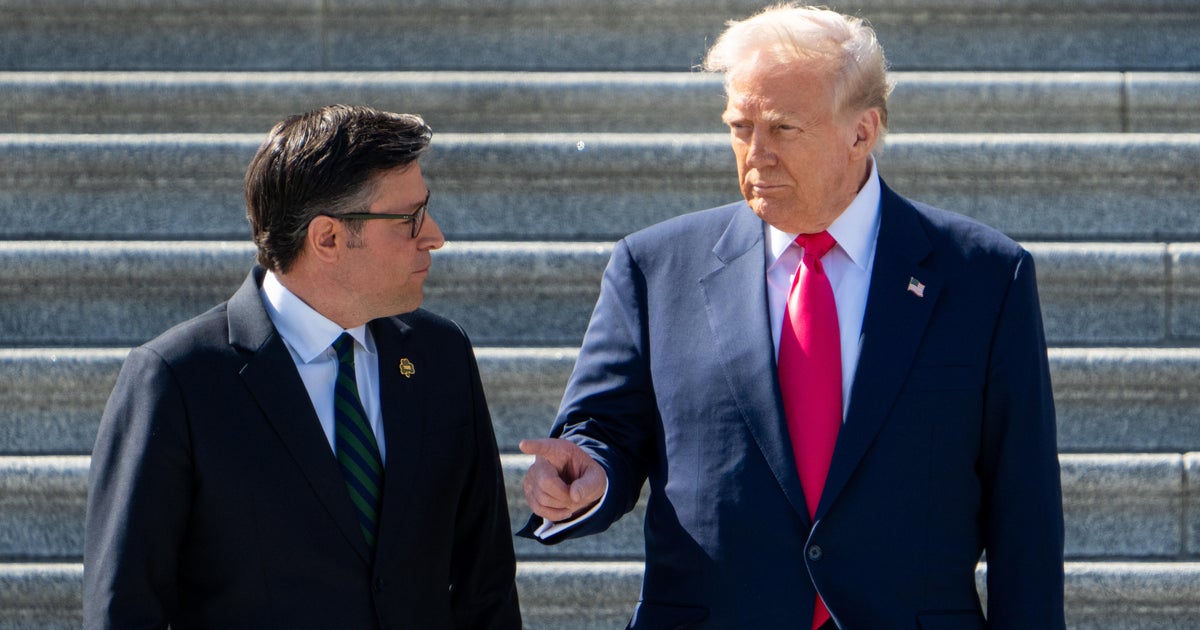
Johnson Confident GOP Can Pass Budget Resolution
In the early hours of Thursday, the House Speaker declared confidence in having secured the necessary votes to pass President Trump's budget resolution. This announcement came after previous unsuccessful attempts on Wednesday night.
Intense Negotiations with GOP Holdouts
Negotiations carried on late into Wednesday as efforts were made to persuade reluctant GOP members by Johnson and the White House. These holdouts were advocating for deeper expenditure reductions. The planned vote faced delays as certain conservative members resisted the pressure to comply with the fiscal plan, which aims to advance Trump's key priorities in border security, defense, and energy policies, as well as prolong existing tax reductions.
Aiming for Significant Savings
With the morning announcement, there was a united message from Johnson and Senate Majority Leader John Thune: they are both striving for at least $1.5 trillion in budget cuts. Johnson emphasized that both legislative chambers are committed to substantial savings without undermining critical programs.
Thune backed Johnson, asserting that the Senate supports the House's resolution goals for savings. He stressed that many senators view $1.5 trillion as merely a starting point.
The Path Through Reconciliation
An approved budget in both the House and Senate is crucial for initiating the reconciliation process. This legislative route would allow the GOP to advance President Trump's agenda with only a simple majority, bypassing the typical 60-vote threshold which is necessary in the Senate.
Earlier in the year, the House and Senate created their own budget frameworks. However, they've reached a recent compromise, which the Senate ratified on Saturday. The House aims to rally its members around this shared plan before the upcoming two-week Congressional recess.
Potential Deadlock Ahead
Speaker Johnson expressed willingness to keep the House in session into next week if progress stalls before the weekend.
Fiscal Concerns Amongst Conservatives
While the Senate's minimum proposed expenditure reductions stand at roughly $4 billion, it allows room for significant cuts reaching up to $1.5 trillion by House efforts. The fiscal approach of incorporating current policy baselines effectively disregards certain costs, such as the nearly $4 trillion required to extend the 2017 tax cuts, which has led to frustrations among conservatives.
Assurances from Senate leadership regarding extensive cuts were demanded by House conservatives who feared insufficient reductions would occur. This led to scrambling among leaders to forge a further compromise.
House Conservatives' Mistrust in Senate
Representative Eric Burlison voiced deep skepticism towards Senate intentions, claiming consistent failure to deliver on promised cuts. This mistrust became evident during discussions with fiscal hawks and leadership amid postponements of the vote.
Trump Urges Republicans Towards Consensus
In the days leading up to the vote, President Trump intensified his appeal to reluctant House members, urging them to support the budget resolution. At a fundraising dinner, he characterized the legislation as exceptional and advised lawmakers against unnecessary posturing.
Leave a Reply