


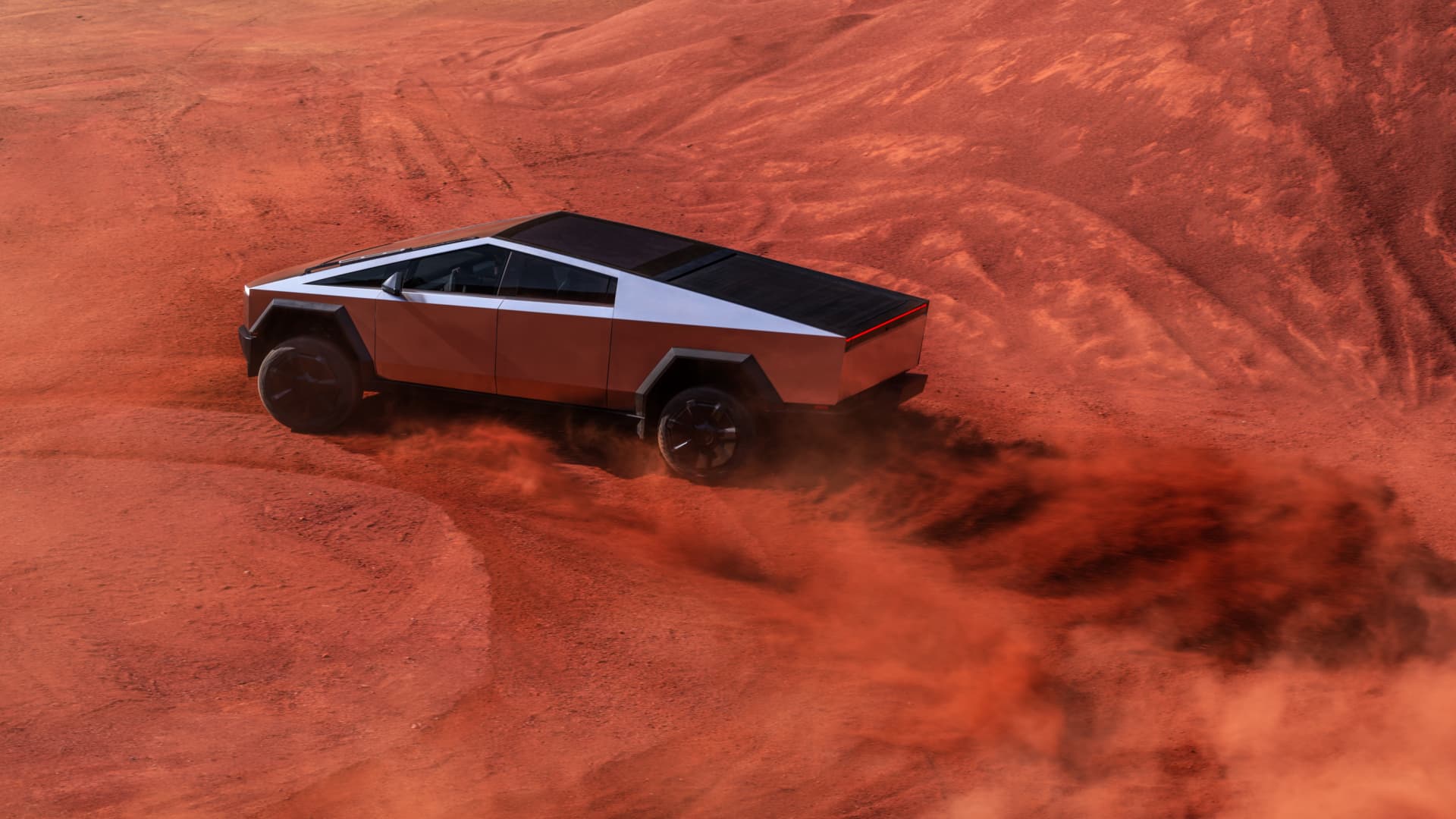
Tesla's Arrival in Saudi Arabia Faces Challenges from Chinese Rivals and Falling Sales
Tesla Inc., the renowned American electric vehicle manufacturer, is making its entrance into Saudi Arabia. This region is known for its vast desert highways filled with fuel-hungry SUVs and has a noticeable absence of charging infrastructure for electric vehicles (EVs).
Tesla's past successes in areas such as the neighboring United Arab Emirates, along with a modest yet expanding interest in EVs in the broader region, have bolstered their confidence. These indicators hint at a promising demand for Tesla's vehicles.
Strategic Launch Timing
Scheduled for April 10, Tesla's inaugural event will take place in Riyadh, followed by temporary store openings in Jeddah and Dammam the following day. Coincidentally, these events align with the anticipated visit to Saudi Arabia by President Donald Trump, who plans on touring the region, including the UAE and Qatar. Although his visit remains unofficially confirmed, this timing could enhance visibility for Tesla's launch.
Tesla, globally known for its pioneering spirit, now introduces Saudi consumers to its celebrated lineup. In promotional content on their website, Tesla invites people to explore innovations in solar power, battery life, and EV efficiency. Highlights include the cutting-edge autonomous driving Cybercab and the breakthrough robotic technology showcased by its humanoid robot, Optimus.
EVs in an Oil-Heavy Economy
While Saudi Arabia is a leader in oil production, it does not ignore the potential of electric vehicles. The kingdom’s sovereign wealth fund, known as the Public Investment Fund (PIF), became in involved in EV ventures since 2019. With Lucid opening its first manufacturing plant in the area, Saudi Arabia is already marking its spot on the EV map.
Additionally, via a strategic venture with Foxconn, Saudi Arabia aims to launch Ceer Motors, a local EV brand, expecting to reach Middle Eastern markets by 2025. These moves are part of Vision 2030—Saudi Arabia's broad initiative to diversify its economy away from heavy reliance on oil.
Tesla's entry is also aligned with the kingdom's ambitious plan to ensure that by 2030, 30% of Riyadh's vehicles are electric, significantly reducing urban emissions as per the city’s environmental objectives.
Competitive Landscape: Battling Chinese Contenders
Tesla isn't entering an untapped market; Chinese automaker BYD is already selling EVs in Saudi Arabia. Tesla must contend with competition from both BYD and Lucid Motors. Though the EV market in the Kingdom remains small, with electric cars making up just 1% of vehicle sales in 2024, market analysts predict growth.
According to Tatiana Hristova from S&P Global Mobility, Tesla is entering a more competitive scenario than in some of its previous ventures globally, which will challenge its market entry strategy. Despite that challenge, S&P forecasts that Tesla will likely sell 10,000 to 15,000 vehicles within a couple of years following its Saudi launch.
After Tesla establishes its initial presence, it will inevitably confront intensified competition, particularly from local and Chinese EV producers.
Prospective Demand and Infrastructure Developments
A PwC Middle East survey revealed that over 40% of Saudi consumers are considering an EV purchase within the next three years. Despite the current scarcity of charging stations, plans are underway for a substantial rollout of fast chargers across Saudi Arabia by 2030, as cited in a recent report.
Hristova also pointed out a built-up demand from customers eager to acquire Tesla vehicles, indicating that supply limitations might have fueled anticipation among buyers. She stated, 'Scarcity often drives desire,' signaling potential success for Tesla once the vehicles become available in the market.
Leave a Reply