


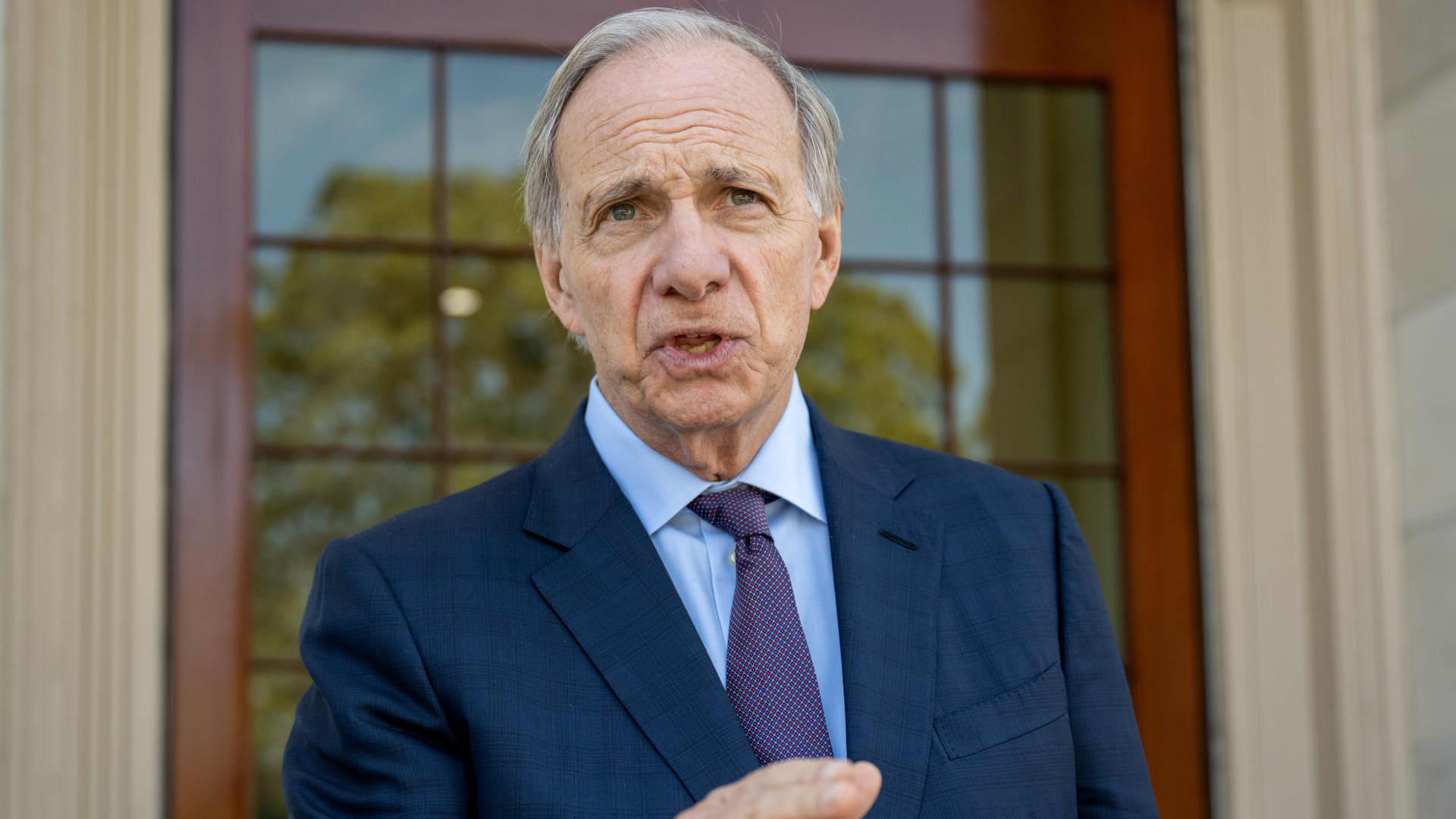
Ray Dalio Calls for Trump's Strategic Trade Agreement with China
Ray Dalio, the founder of Bridgewater Associates, has advocated for U.S. President Donald Trump to step away from aggressive trade tariffs and to strive for a mutually beneficial trade deal with China instead. Dalio views the President's recent pause on imposing country-specific tariffs as a positive step towards managing trade discrepancies.
Dalio expressed on a social media platform that the current moment presents a perfect opportunity for reevaluating U.S. trade strategies, amidst ongoing challenges. While acknowledging the existing trade issues, he emphasized the need for mindful handling of unsustainable debts and international trade imbalances, which he feels Trump's current strategy could improve by pursuing a trade agreement that balances currencies.
Dalio elaborated on his vision for a win-win outcome, suggesting that the U.S. could negotiate for the appreciation of the Chinese RMB against the dollar through Chinese divestment in dollar-assets, intertwined with domestic stimuli in fiscal and monetary policies in China to boost economic demand.
Previously, Dalio had expressed concern over the negative impact of broad tariffs imposed by the Trump administration as a response to trade issues. He advocates for pivotal reforms in debt and monetary policy to effectively address the ongoing imbalances in trade, debt, and capital. One particular recommendation is to aim for a U.S. deficit reduction to 3% of GDP.
A Moment for Investors to Reassess Their Risk Exposure
Following the temporary halt on new tariffs by Trump, there was an immediate, albeit short-lived, stabilization in the stock market. The unpredictability in policy, however, has created a unique scenario for investors, according to Dalio.
Dalio encouraged investors who were alarmed by the recent market volatility to seize this period as a chance to realign their investment strategies. He forewarned that similar disruptive market movements are bound to occur, suggesting that a balanced portfolio could help mitigate the anxiety of future financial shifts.
Leave a Reply