


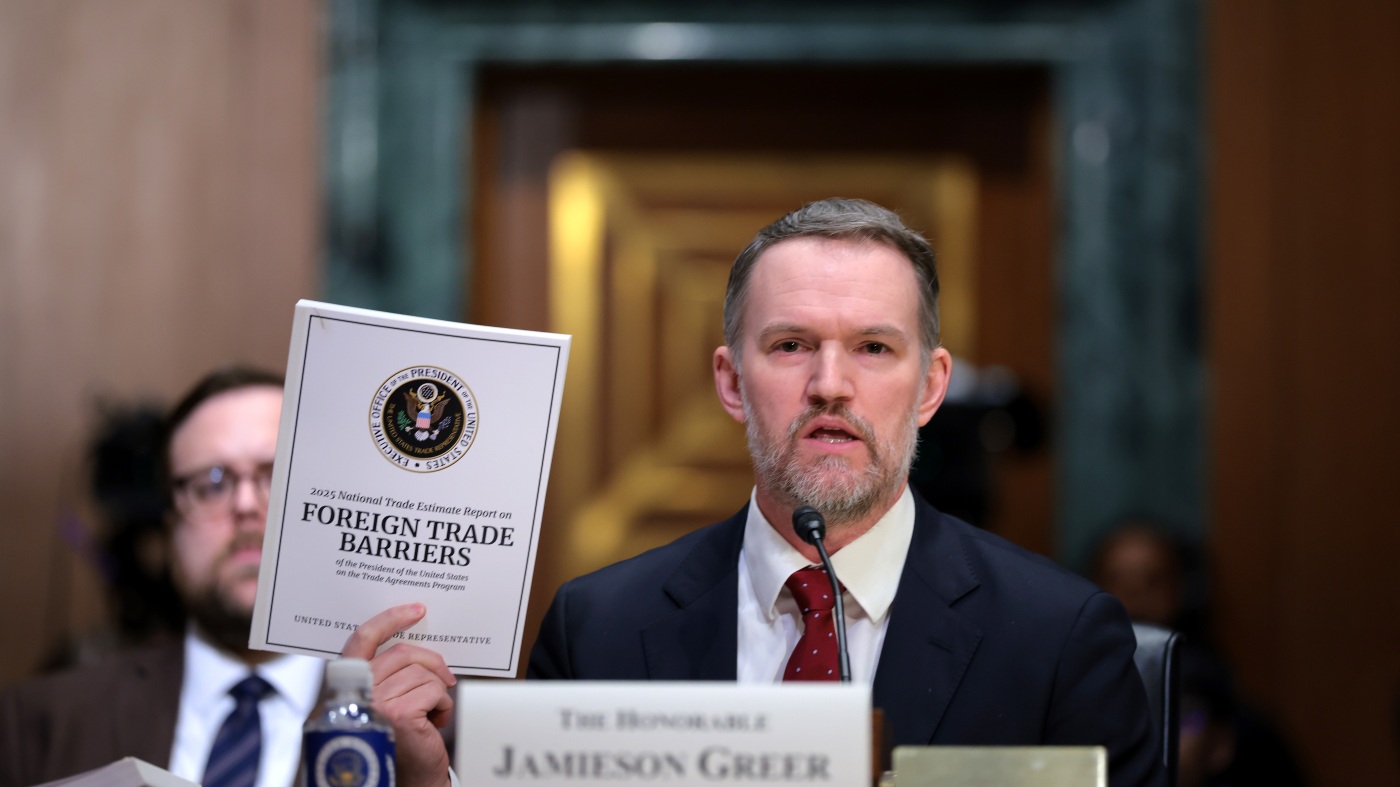
Trade Tactics: Tariffs as a Negotiation Strategy Amid GOP Doubt
Appearing before the Senate Finance Committee, Jamieson Greer, the U.S. Trade Representative, defended President Trump's tariff strategy amidst ongoing market turmoil. The intention, as explained by Greer, is to pave the way for fresh trade agreements.
Greer highlighted that more than five dozen countries have expressed a willingness to engage in discussions with the U.S. rather than responding with their own trade barriers, which he cited as evidence of the strategy’s effectiveness. Nonetheless, GOP senators from the Senate Finance Committee expressed doubts, seeking clarity on the comprehensive plan.
Even Trump's supporters acknowledged the inconsistency in messaging from the administration. While some claim the tariffs are merely a negotiation tactic to rebalance trade relations, others believe the approach seeks to fundamentally change global trade dynamics.
This Senate hearing served as a critical moment for a senior Trump official to articulate the case strategy, with Greer emphasizing that the tariffs are designed to motivate countries to negotiate.
Tailor-Made Deals and International Engagement
Greer noted that countries such as Vietnam and India have reached out to explore potential agreements. Meanwhile, White House press secretary Karoline Leavitt stated that Trump instructed his trade representatives to pursue bespoke trade agreements in response to international interest for tariff reductions.
Leavitt explained that around 70 nations have shown interest since Trump’s recent comprehensive tariff announcement. She reiterated Trump's directive for customized trade negotiations that consider each country's unique market characteristics, exports, and the U.S. industries’ needs.
Challenges with China and Legislative Pushback
Despite the outreach, Greer mentioned that China remains a challenging counterpart, reiterating that planned tariff hikes would proceed as scheduled. With tariffs on Chinese goods set to spike to over 104%, the confrontation marks a critical phase in U.S.-China trade relations.
On Capitol Hill, Democratic Senator Ron Wyden criticized the economic strain the tariffs have placed, particularly affecting U.S. competitiveness globally. He revealed an impending legislative proposal to revoke the emergency powers that allowed for the tariff imposition, with bipartisan support emerging.
Republican Doubts and Legislative Questions
Republican leaders, although granting the president time to show policy efficacy, have not withheld their concerns. Senator Chuck Grassley from Iowa is promoting legislation to reclaim congressional oversight over international trade. Though supportive of Trump’s goal to reduce foreign trade barriers, his concerns about executive overreach were clear.
Senator Jim Lankford from Oklahoma pressed for a timetable on the tariff strategy, yet Greer refrained from providing specifics, hinting at the complexity and long-standing nature of the trade deficits.
Greer faced additional scrutiny from Senator Ron Johnson of Wisconsin who voiced alarm over the negative impacts on businesses, urging sensitivity to potential corporate struggles under new tariff pressures.
Senator Thom Tillis from North Carolina expressed his skepticism, emphasizing the potential electoral consequences if the policies fail to show positive results quickly.
Senator Todd Young from Indiana requested that the varying impacts across different economic sectors be considered, pointing out divergent effects faced by tech firms and agricultural producers.
Senator Mark Warner from Virginia questioned the administration's uniform approach to both allies and adversaries, illustrating skepticism he gathered from financial sector commentary.
Amid the looming pathway for increased tariffs on China, Senate Majority Leader John Thune reminded that Trump campaigned on a stringent trade platform, indicating a need to allow room for negotiation successes, benefiting not just the administration but the nation.
Leave a Reply