


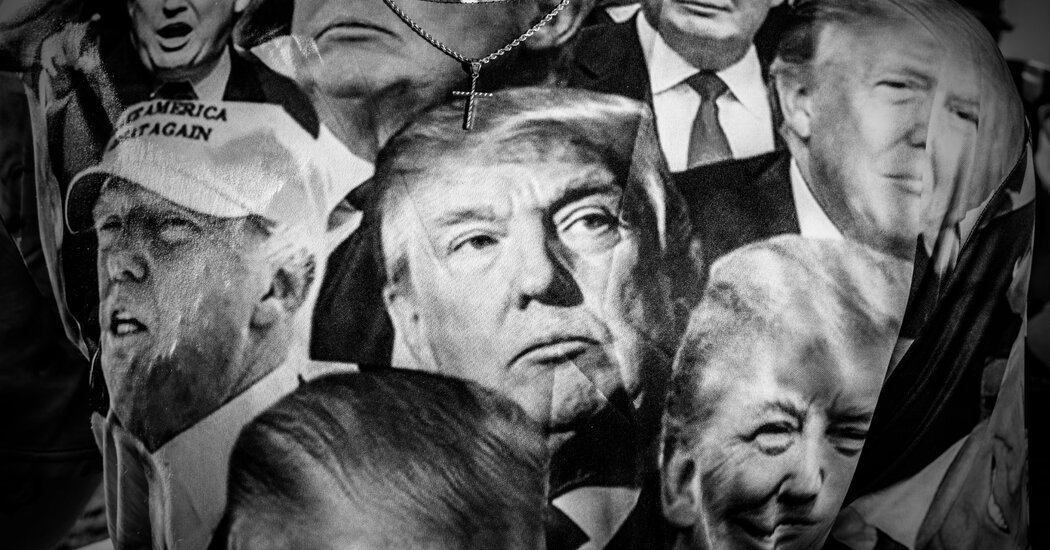
How Did Wall Street Misjudge Donald Trump?
Misinterpretation of Political Rhetoric as Economic Strategy
Many on Wall Street erupted with enthusiasm at the thought of Donald Trump's presidency, foreseeing a liberation from regulatory constraints, tax burdens, and the demands of social conscientiousness. As reported by The Financial Times shortly before Trump assumed office, financial circles felt emboldened to abandon 'woke' practices that required self-censorship to avoid offending diverse groups, including younger workers and minorities. Some even anticipated a return to using offensive language in private settings.
In December, hedge fund magnate Bill Ackman excitedly proclaimed that the incoming administration was perhaps the most supportive of economic growth and business interests he had ever witnessed. Meanwhile, strategic voices like Peter Berezin, a prominent figure at BCA Research, offered contrasting views highlighting potential economic risks.
Warnings Ignored by the Financial Sector
Berezin was one of the few to predict economic downturn risks linked to potential trade wars under Trump, assessing recession probabilities at 75%. According to Berezin’s analyses, anticipated trade escalations were expected to hinder corporate capital investments and diminish real household disposable incomes.
What stood out was not Berezin's foresight into the trade turmoil, but the lack of similar insights across other financial experts. The reality of Trump's stance on taxing imports, which he viewed as essential to correcting trade imbalances, was well-documented, yet many in finance seemed blindsided.
Herd Mentality and Career Risk in Finance
Discussing this oversight, Berezin attributed the financial sector’s miscalculation to a prevalent herd mentality. According to him, many investors succumb to cognitive biases, a phenomenon not unique to amateur financiers but intensified among professionals due to career risks when deviating from the norm.
In this environment, being overly optimistic is often less penalized than displaying caution or skepticism. Prominent examples include strategist Marko Kolanovic’s unexpected departure from JPMorgan Chase and Mike Wilson’s resignation as chair of Morgan Stanley’s Global Investment Committee after their bearish forecasts didn’t materialize.
Leave a Reply