


Nissan's Strategy to Overcome Tariffs and Revitalize Its Electric Vehicle Lineup
Once the world's best-selling electric vehicle (EV) brand, Nissan took a bold step with its 2009 release that should have solidified its place at the top. However, things didn't go as planned.
Fast forward 15 years, and Nissan is grappling with its diminished US presence. It underestimated the hybrid market's potential while grappling with ongoing public relations issues. Years of leadership errors and neglect of its EV assets have left the once-leading automaker struggling in a tumultuous market environment.
Nevertheless, Nissan is determined to regain its stature. With a new CEO, plans for upcoming EVs and hybrids for the US, and a refreshed business mindset, change is on the horizon. Moreover, discussions with Honda may still be revived.
Inside Nissan's Core
At the Nissan Technical Center near Yokohama, Japan, the newly appointed CEO, Ivan Espinosa, shared the company's vision, setting the stage for a future-oriented strategy. The gathering was marked by honesty, a rarity in the industry.
Guillaume Cartier, the chief performance officer, acknowledged the company's past challenges openly. He emphasized transparency—a lesson learned from the failed Honda merger due to perceived inequalities. This time, openness is key.
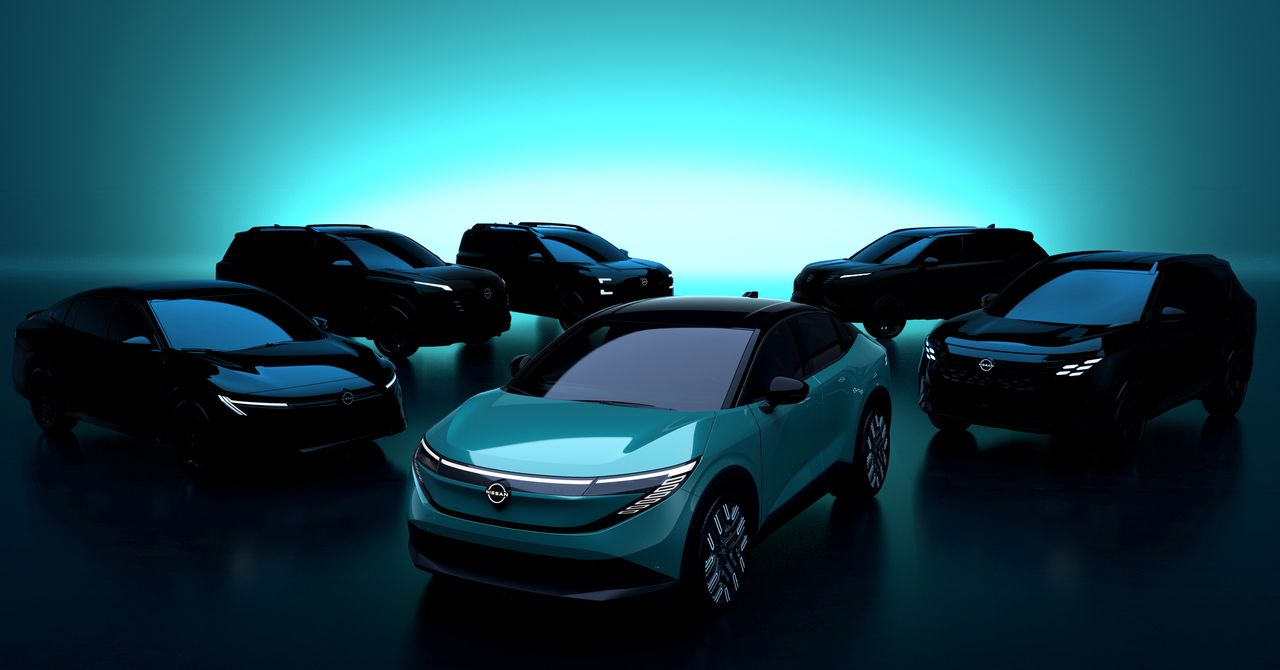
Nissan is now showcasing its third-generation Leaf, transitioned from a hatchback to a sleek crossover—a favorite in the US. Despite not disclosing specifics on range or pricing, Nissan promises efficiency, with availability expected first in North America by 2025.
In Europe, the relaunch of the all-electric Micra marks another phase. This charismatic model, designed for urban mobility, will debut on the CMF-B EV platform. While details are sparse, it will join the Leaf in the European market in 2025.
Recalibrating the Rogue
Nissan plans to launch a new Rogue by 2026, addressing its previous market gaps. This model will integrate the third generation of Nissan's e-Power hybrid technology, promising an EV-like experience with enhanced torque and smooth acceleration.
Amidst presentations, an enticing off-roader resembling the X-Terra was revealed, set for production in Mississippi by 2027. In a crowded market, this differentiation might provide a competitive edge.
Nissan's roadmap appears promising, yet success hinges on bold leadership willing to embrace drastic changes while navigating the current economic landscape.
Leadership Dynamics and Challenges
Espinosa, with cautious optimism, discussed the halted talks with Honda. Cooperative ventures remain crucial, especially in sharing platforms to maximize efficiency and reduce costs—a necessity given Nissan's diminished production scale.
Instead of expanding its hybrid offerings, Nissan gambled on a high EV market value during the pandemic, only to face a reality check as prices normalized. Now, with challenges such as the Ariya's late market entry, the company must adapt quickly.
With significant debt approaching, Nissan must focus on accelerating revenue and streamlining development to compete. The goal is clear: demonstrate capability by reducing vehicle development timelines.
Navigating Tariffs
Amid economic unpredictability, Nissan's adaptability is crucial in the face of US tariffs—a challenge amplified by limited domestic manufacturing.
Costly tariffs could pressure Nissan to spread expenses across its lineup, possibly inflating vehicle prices. The broader concern remains whether unexpected economic shifts will sideline Nissan's strategic plans, potentially leading to significant setbacks.
Leave a Reply