


The Impact of New U.S. Car Tariffs on Automakers
Recent enforcement of a hefty 25% tariff on foreign vehicles by President Trump has introduced rapid changes in the automotive sector. The measure took effect last Thursday, compelling car manufacturers to reconsider their strategies, delay shipping schedules, and address involuntary workforce reductions.
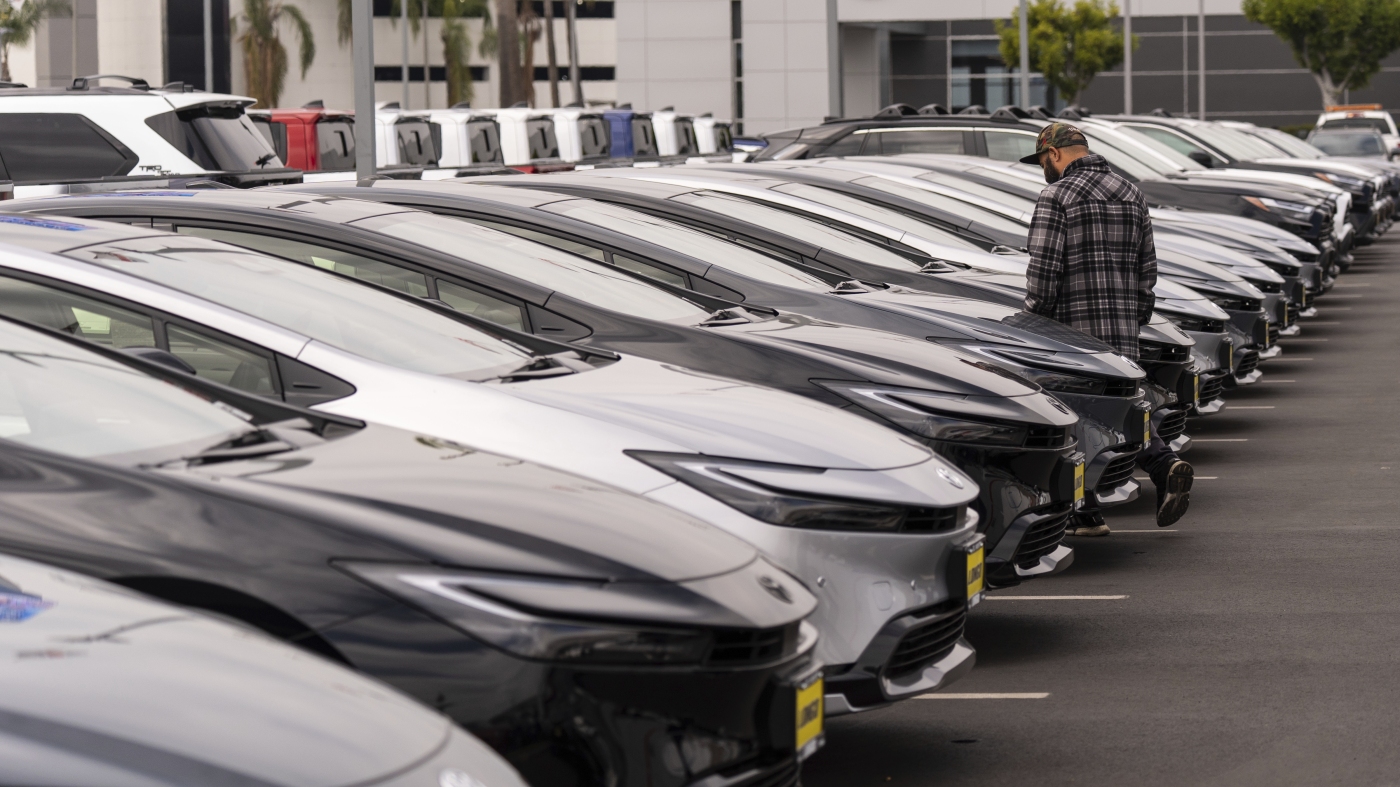
This swift reaction from the industry comes with anticipatory buyer behavior, as people hurry to dealerships to avoid a future price surge.
Adding to the complexity, the tariffs also extend to imported automotive components like engines and transmissions, which may raise the overall production costs for cars built within the U.S.
Objective Behind the Tariffs
The Trump administration articulates that these tariff measures aim primarily at bolstering domestic manufacturing. White House representatives suggest that overseas companies will shoulder these increased costs. However, historical data from Trump's initial term indicates that U.S. businesses and consumers have absorbed the majority of these expenses.
Automaker Responses
The strategies adopted by car manufacturers show variation, primarily characterized by a shared uncertainty. Stellantis, responsible for brands like Jeep and Dodge, has temporarily suspended production in its Mexican and Canadian factories, resulting in workforce reductions in Michigan and Indiana.
Antonio Filosa, Chief Operating Officer for Stellantis North America, communicated to staff via email that these immediate actions—while assessing long-term tariff impacts—are unavoidable amidst current market dynamics.
Adaptations by Other Automakers
Jaguar Land Rover has paused its U.S. shipments to reassess its strategy, acknowledging the country's key role for its luxury division. The company’s planned temporary measures aim to facilitate the formulation of adapted long-term business plans.
Luxury car maker Ferrari declared its intent to absorb tariff costs for select models, including those with high price points like the Roma. Similarly, BMW commits to managing cost increments due to the tariffs for its Mexican-manufactured vehicles up until a specified period.
Short-Term Reliefs and Market Shifts
To mitigate customer anxiety, several manufacturers have moved to alleviate perceived price hikes. Hyundai, for example, pledged no price increases for its current lineup until early June. Toyota echoed this sentiment, assuring stable pricing as they benefited from increased dealer traffic in March.
Economic analysts predict notable vehicle price hikes, with a 10-15% increase for tariff-impacted cars, and a potential 5% rise for more minor effects.
Industry Adjustments and Potential Outcomes
Some manufacturers, including Ford, are offering reduced prices through promotional campaigns emphasizing American manufacturing. Stellantis has taken similar initiatives, while Nissan has slashed prices on popular models to counteract a challenging market environment.
Experts, including Mel Yu, anticipate the subsequent introduction of tariffs on parts to have a swift impact, as imported components significantly compose U.S.-manufactured vehicles.
The auto industry is poised for substantial disruptions as stakeholders brace for further tariff-induced challenges, revealing the interconnected complexities of global automotive manufacturing.
Leave a Reply