


How Trump’s Tariffs Might Transform the US Tech Sector
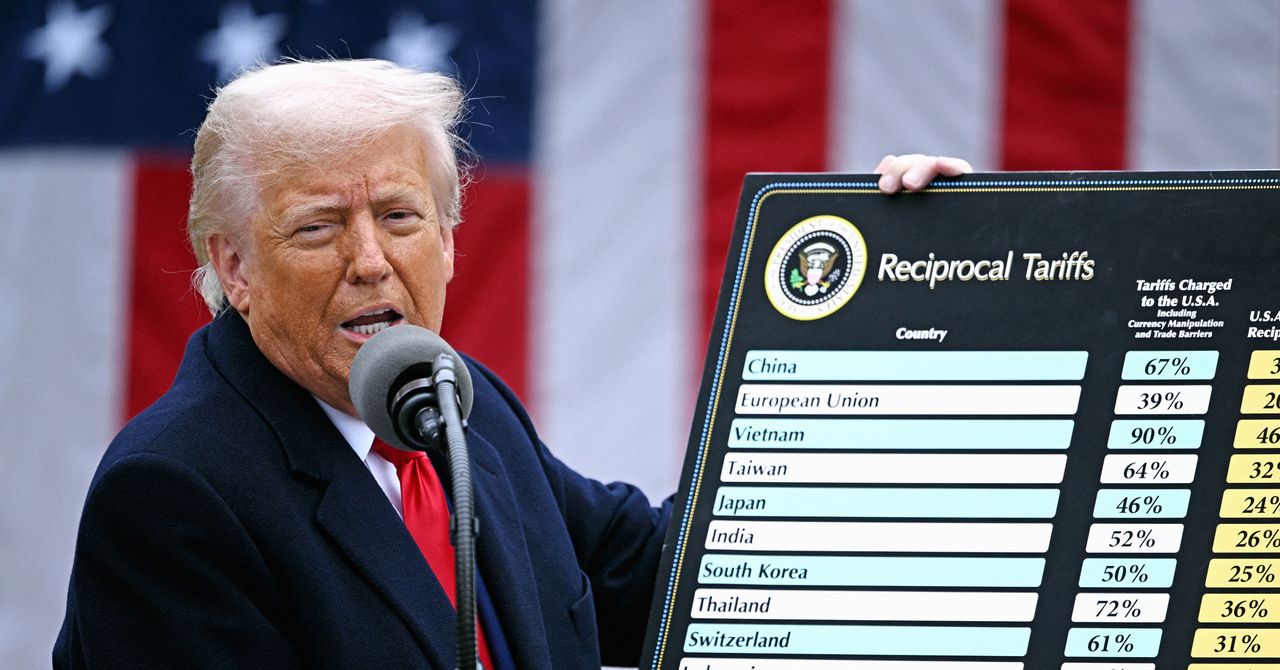
U.S. President Donald Trump's introduction of widespread tariffs is predicted to send shockwaves throughout the tech industry. These tariffs include a mandatory 10 percent charge affecting all nations, alongside significantly higher tariffs on major trading allies such as Europe, China, Vietnam, India, and South Korea. This announcement has caused a noticeable drop in stock values during after-hours trading.
Stock prices for giants like Meta and Nvidia have declined by roughly 5 percent, while Apple and Amazon have seen a 6 percent decrease. Apple, which derives about half of its income from iPhones manufactured in China and India, alongside other products produced in Vietnam, and Amazon, with its reliance on third-party sellers predominantly based in China, are heavily impacted.
Market Reactions and Economic Concerns
The immediate market response may just be the onset of broader consequences. Financial analysts caution that these policies could trigger one of the most significant global trade shifts in recent memory. The potential outcome could be rising consumer costs and heightened inflation in the US. Recent predictions from Goldman Sachs increased the probability of recession in the upcoming year from 20 percent to 35 percent.
According to Tibor Besedes, a trade specialist and economics professor at the Georgia Institute of Technology, there is an assumption that consumers prefer paying more for American-made goods, yet there’s no historical evidence supporting this claim. Many who voted for Trump expressed discontent with inflation under the Biden administration, leading to skepticism about their willingness to embrace rising prices now.
Differentiated Tariff Impacts
The new tariffs vary: the UK, Chile, and Brazil face relatively minor charges, whereas China, Cambodia, Vietnam, Taiwan, India, and Thailand will encounter tariffs up to 49 percent. Interestingly, Trump has decided to bypass tariffs on semiconductors, safeguarding US firms like Nvidia, which incorporate Taiwanese-made advanced chips into their AI units. Nonetheless, uncertainties remain about blanket tariffs that could affect these components.
E-Commerce and Online Retail Challenges
E-commerce may suffer the most under these tariffs. Ian Bremmer suggests that online platforms and consumer electronics are particularly vulnerable. The revocation of the de minimis exemption, which previously permitted duty-free imports from China and Hong Kong valued under $800, is set to affect online services like eBay and Etsy adversely.
The withdrawal of this exemption could also hurt Amazon, which recently launched an affordable China-based products division to rival existing players like Temu and Shein. Trump's earlier attempt to annul the de minimis provision faced reversals due to logistical challenges faced by U.S. Customs and Border Protection. However, the current move aims to enact this change by early May.
Strategic Negotiations and Long-term Industry Effects
CEO of Publican, Ram Ben Tzion, believes that Trump's decision to eliminate the de minimis exemption could serve as a strategic move in negotiations with China, fundamentally altering e-commerce landscapes if implemented.
Conversely, certain tech firms like those involved in logistics and data analysis may see fresh opportunities. For instance, defense contractor Palantir swiftly launched a service that leverages AI to assist businesses in thoughtfully navigating tariff implications.
Jay Gerard from Nuvocargo foresees growth in demand for their logistics solutions due to these tariffs, anticipating increased customer activity through mid-year. However, he recounts recent chaotic tariff implementations that created costly disruptions for shipping firms.
Expert Insights on Future Strategies
Nick Vyas of USC's Marshall School believes tariffs represent a consumer tax, yet strategically applied, they might spur domestic manufacturing potential in the U.S. He advocates a comprehensive trade approach that balances advanced manufacturing with outsourced low-cost production, proposing a calibrated policy approach that emphasizes collaboration with allies for economic stability.
Leave a Reply