


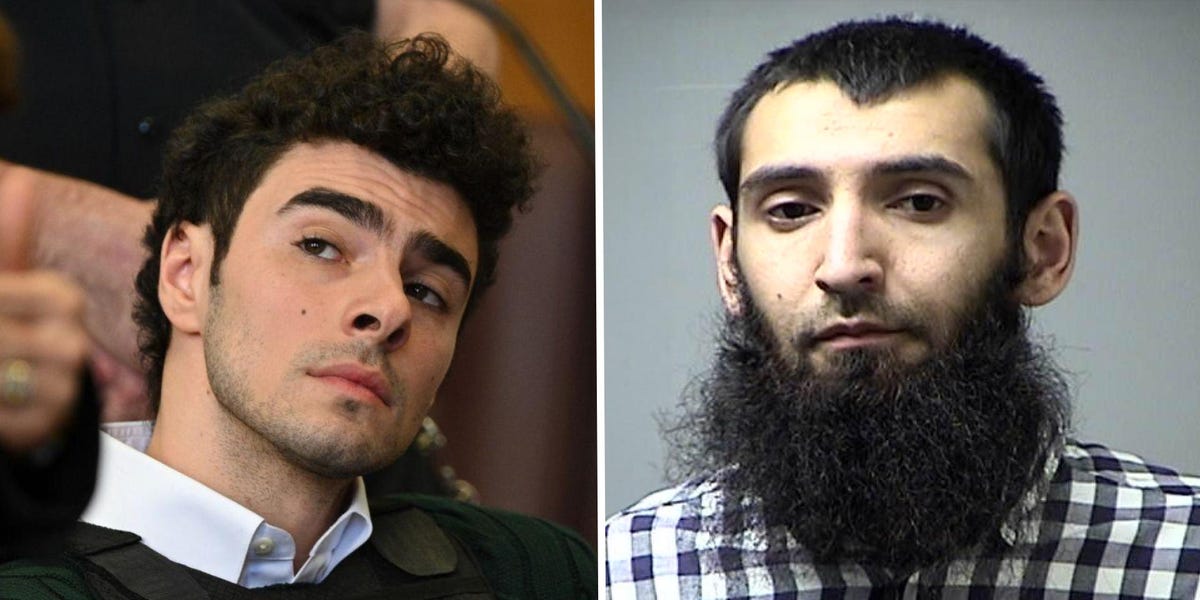
Prospects of Avoiding the Death Penalty: The Case of Luigi Mangione
In October 2017, a shocking incident unfolded. Sayfullo Saipov, an individual with extremist views, commandeered a rental vehicle and recklessly drove down a bustling Manhattan bike path, ultimately taking the lives of eight innocent individuals.
Despite the gravity of his acts, Saipov’s jury was unable to reach a unified decision for the death penalty. This precedent casts doubt on whether a jury in a similar setting could decide on capital punishment for Luigi Mangione, a sentiment echoed by past federal prosecutors.
The Manhattan Jury's Reluctance
Ephraim Savitt, a former federal prosecutor now in private law, expressed skepticism about the likelihood of a jury in the Manhattan federal courtroom choosing the death sentence for Mangione. He emphasized that Mangione's actions do not align with quintessential death penalty offenses.
Savitt articulated, 'In places like Texas, the situation might differ, but this case lacks elements like terrorism or mass casualties.'
The charges against Mangione span multiple jurisdictions, with Pennsylvania accounting for the lesser allegations of weapon possession and forgery, which led to his arrest post a week-long pursuit. In New York, more severe terrorism-linked murder charges await him.
Strategic Use of the Death Penalty in Trials
According to Savitt, seeking the death penalty offers certain strategic perks, notably in strengthening plea bargains and swaying jury compositions. Jurors in death penalty cases are generally pre-screened for their openness to such a punishment, providing the prosecution a tactical edge.
Michael Bachner, another former prosecutor, highlighted the leverage this strategy provides in negotiations. He mentioned a potential defense strategy might involve negotiating a deal to avoid capital punishment entirely.
The necessity for unanimity in death penalty decisions offers a substantial advantage to the defense side. The consensus of just one skeptical juror can prevent Mangione from facing execution.
Political Underpinnings and Mental Health Considerations
Beyond strategy, political influences often underpin decisions to pursue the death penalty. The top charges against Mangione entail the use of a firearm in violent crimes, qualifying it for capital charges under current policies supported by former President Donald Trump.
Bachner remarked on the political dimensions, suggesting that the decision to seek capital punishment ties back to Trump-era pledges.
Should the trial proceed to a sentencing phase, focal points will likely include Mangione's mental state. Observations of his behavior, familial estrangement, and planning competencies will be crucial in court evaluations.
'Convincing a jury to entirely agree on the death penalty for someone like Mangione, particularly given his background and lack of criminal history, seems highly improbable,' Bachner concluded.
In such cases of juror division, even a minor split results in a life sentence without any chance of parole.
Leave a Reply