


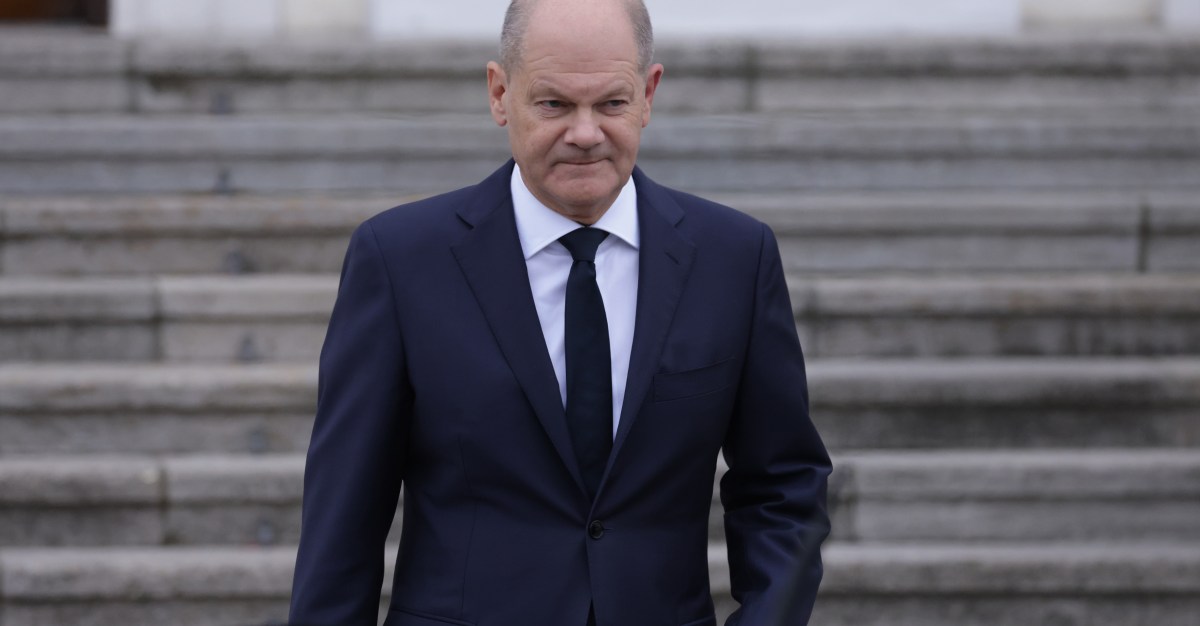
Understanding Germany’s Political Crisis
The recent collapse of Germany's ruling coalition stemmed largely from economic challenges.
Germany is on the brink of an unexpected election and political turmoil following the disintegration of its unpopular coalition government this week.
Until recently, Germany was led by a coalition formed of three parties with starkly differing objectives in a parliamentary system where multiple political factions vie for dominance. This coalition came undone when Chancellor Olaf Scholz, from the Social Democratic Party (SPD) which spearheaded the coalition, dismissed the finance minister from the Free Democratic Party (FDP), a fiscally conservative member, due to a conflict over budget matters.
In response, the FDP withdrew from the coalition, leaving the SPD alongside the Green Party, which emphasizes environmental policies, short of a majority in the national parliament, the Bundestag. Presently, these two parties continue to govern, but they face significant obstacles in passing new laws.
This has resulted in a political standstill in Germany. Scholz has announced plans to seek a vote of confidence in his administration. With anticipated defeat for both him and the Greens, an early election would likely arise, paving the way for new parties and leaders to gain prominence, potentially altering the trajectory of German politics considerably.
Root Causes of Germany's Political Chaos
Trouble plagued the coalition from its inception.
Chancellor Scholz has not enjoyed widespread popularity, with his party consistently losing ground to the right-wing Alternative for Germany (AfD) and other smaller parties in both the European and state elections.
Compounding the coalition’s issues is the sluggish recovery of Germany’s economy, a trend stretching over years, intensified by the aftermath of the Covid-19 pandemic. The automotive sector faces stiff competition from Chinese electric vehicle imports, while rising energy costs have inflated since sanctions were imposed on Russia, disrupting Germany's previous dependency on cheap Russian energy.
Economic Miscalculations
When no party secured a parliamentary majority in the 2021 elections, coalition members aligned to together under the shared belief of a considerable budget surplus sourced from pandemic relief reserves, according to Liana Fix, a Europe expert at the Council on Foreign Relations.
Their strategy involved the Social Democrats distributing welfare benefits, the Liberals cutting business taxes, and the Greens initiating environmental projects—all reflective of their specific party agendas.
However, a ruling from the German Constitutional Court earlier this year prohibited the use of those emergency Covid-19 funds for different initiatives, uncovering a significant shortfall in the national budget.
Germany is further constrained by a constitutional ceiling on debt, which it cannot surpass. Scholz aimed to raise this limit partly to increase support for Ukraine amid the ongoing conflict with Russia. Christian Lindner, the ousted finance chief, contended that this would infringe upon his official duties.
Calls for the execution of swift government action have emanated from the opposition, especially urgent since the US President-elect, Donald Trump, assumes office in January, posing potential tariffs that might worsen Germany's financial strife. The election schedule proposed by Scholz precludes the establishment of a new government until June, by which point the Social Democratic Party risks losing power.
Leave a Reply