


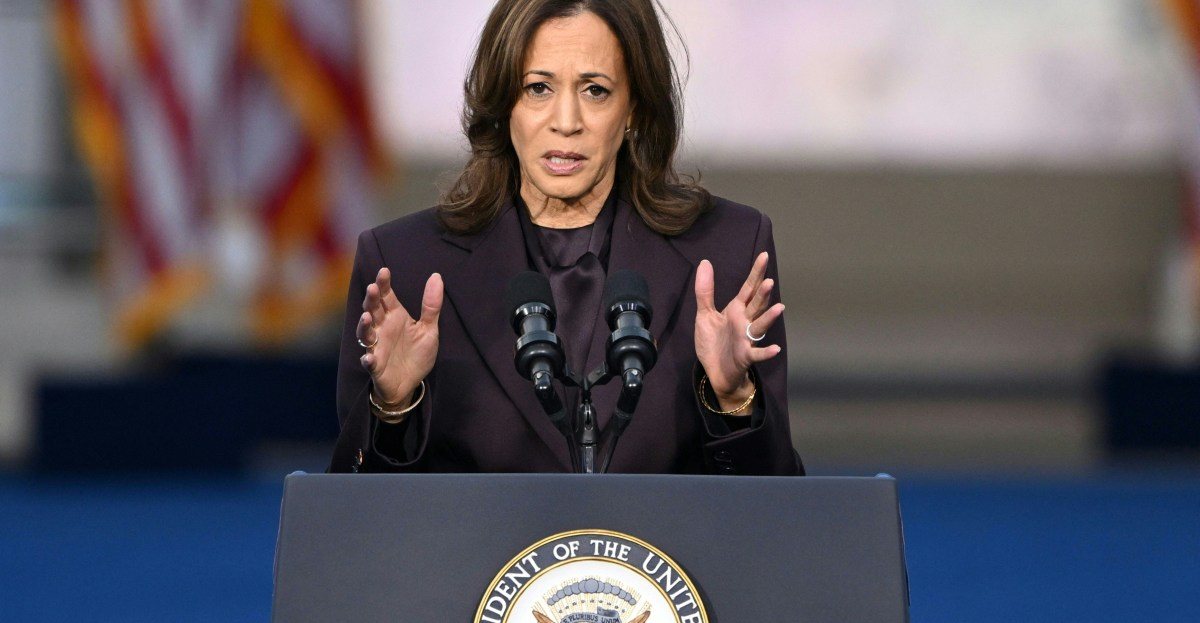
Did the Democratic Party's Policy Missteps Lead to the 2024 Election Defeat?
The common error of assuming voters' gratitude is a pitfall in election strategies.
Analyzing a Definitive Electoral Battle
In the aftermath of Tuesday's striking defeat as the search for accountability begins, this phase of blame assignment is starkly different from those following previous elections. Disparate from tight past races, Trump's broad popular vote win and his consistent appeal across various regions elude straightforward explanations like a prejudiced voter base or dissatisfaction with Biden's international strategies. Even attributing the loss solely to inflation appears overly simplistic and insufficient.
A Growing Disconnect: Democrats and the Working Class
Senator Bernie Sanders, who was outpaced by Kamala Harris in her Vermont reelection by around 6,000 votes, criticized the Democratic Party for their perceived abandonment of the working class, who seemed to overwhelmingly support Trump. This viewpoint swiftly resonated with analysts who stressed that Democrats, including Harris, were focusing excessively on ideological issues such as democracy and abortion, rather than the material concerns of everyday citizens. This disconnect was summed up by Matt Karp in Jacobin, pointing out that voters lacked confidence in Harris’s ability to tangibly enhance their lives. Addressing this sentiment, former Biden administration member Bharat Ramamurti lamented that the absence of measurable benefits like housing aid and child tax credits earlier in their platform reduced Democrats' appeal.
Without prescribing political strategies for forthcoming elections, there's a noticeable shift in dialogue towards familiar yet potentially flawed arguments.
Exploring 'Deliverism' and Its Effectiveness
The tempting claim is that strategic reform and effective communication of policies could have altered Democrats' fortune. Recently termed 'deliverism,' this approach suggests that politicians who fulfill their promises to address specific issues gain voters' favor. According to David Dayen of the American Prospect, successful governance means creating a perceptible impact that resonates with voters.
Historical Context and Democratic Attempts
The idea of 'deliverism' may be new, but it has long influenced Democratic thinking. Post-2022 midterms, Senator Elizabeth Warren claimed that voter support was rooted in actions like pandemic assistance and infrastructural improvements. She asserted that policies such as allowing Medicare to negotiate drug prices and limiting insulin costs were key motivators for Democratic support.
Democratic leaders often prefer an elevated version of this theory: that strategic policies lay the groundwork for 'positive feedback loops' by cultivating dedicated voting groups that secure continued policy gains.
For college-educated voters who value clear cause-and-effect connections, the logic of 'deliverism' is particularly appealing: Enacting beneficial policies should theoretically lead to subsequent electoral successes. Yet, empirical evidence supporting this is scarce.
The Limits of Policy in Electoral Success
Research over decades has indicated that most citizens lack comprehension about the execution of policies, the benefits they bring, and the parties responsible for them. This remains true even if programs are crafted to allow politicians to easily claim success. For example, those acquiring health insurance through Obamacare's Medicaid expansion demonstrated negligible changes in voting patterns or allegiance to a party.
According to research by Northwestern University's Daniel Galvin and Chloe Thurston, historical analysis should challenge the assumption that passing good policies guarantees political rewards.
They critique the assumption that policies can effectively build electoral majorities or replace the diligent labor of developing party infrastructure.
Rethinking Democratic Policy Strategies
While it's vital for Democrats to strive for impactful legislation, such as the expanded child tax credit during the pandemic, broad voter enthusiasm was noticeably limited.
This doesn't negate instances where policies positively affect political outcomes. Voters attributed the pandemic stimulus checks to Trump, demonstrating that practical achievements sometimes resonate with the electorate.
Yet, as Democrats pivot to emphasize working-class issues, they confront two stark truths: Policies seldom solely determine election results, and a significant divide exists between non-college-educated voters and the party's leadership—composed largely of progressive, college-educated elites. Addressing these challenges is crucial for devising effective future strategies. Evidence suggests that merely spotlighting Harris’s accomplishments in the Biden administration would not likely have changed her electoral fate. Such perspectives oversimplify the complexity of the political landscape.
Leave a Reply