


Kalshi's Sports Predictions Face Regulatory Scrutiny as Industry Observes
Kalshi's and Robinhood's ventures into sports predictions have triggered a wave of regulatory actions, with potential implications for the entire landscape of US sports betting.
Regulatory Challenges in Major Gambling Hubs
Authorities in Nevada and New Jersey, two pioneering US gambling markets, have issued orders demanding Kalshi halt its sports event trading. The New Jersey Division of Gaming Enforcement issued the latest notice, compelling fintech giant Robinhood, which leverages Kalshi's platform, to also withdraw its offerings and is currently under scrutiny by Massachusetts.
CEO Tarek Mansour of Kalshi remains defiant, expressing confidence in overcoming these challenges based on past victories against similar legal threats.
Meanwhile, a representative for Robinhood asserted that the company's actions comply with state regulations, though they have pulled March Madness contracts from New Jersey.
Developments in Prediction Markets
Emerging from the rise after the 2024 US presidential race, prediction markets like those from Kalshi and Crypto.com have gained momentum, tapping into sports events. These markets, akin to traditional gambling, let users wager on game results, offering the unique twist of tradable contracts.
Kalshi has notably facilitated over $320 million in trades centered on the outcome of the men's March Madness tournament, a prime sports wagering event in the US.
Broader Access and Market Dynamics
While conventional sports betting remains confined to 39 regulated jurisdictions, Kalshi's prediction markets span all 50 states, offering both a challenge and a potential boon for traditional betting entities interested in these novel markets.
James Kilsby from Vixio highlights the fundamental legal battle: defining the extent of state oversight over gambling versus federally regulated commodities exchanges possibly including sports-betting-like services.
Kalshi's Legal Maneuvers
In retaliation, Kalshi has initiated legal proceedings against the Nevada and New Jersey regulators, arguing its status as a federally sanctioned exchange should exclusively fall under the Commodity Futures Trading Commission's jurisdiction.
Kalshi distinguishes its operation from betting, emphasizing the lack of a traditional 'house' wagering model, a point complicating some state-level regulations.
They claim that restricting their operation could infringe upon CFTC regulations designed to ensure market openness and fairness.
Industry's Vigilant Observation
A CFTC decision validating Kalshi's contracts could provoke significant movements in the betting sector, potentially enticing competitors like FanDuel and DraftKings to explore this burgeoning market.
Aware of the complex legal and regulatory landscape, industry players like Andrew Kim from Goodwin advise cautious engagement, balancing regulatory compliance with the prospect of pioneering innovation.
Tribal agencies with exclusive gaming rights and other states may challenge or align with these developments, affecting the industry's trajectory.
Wider Economic and Legal Implications
The dispute has implications for states reliant on sports betting revenue like Nevada and New Jersey, which has reported substantial earnings from legalized betting, marking itself as a US frontrunner.
Control over gambling definitions within state lines is another front, as outcomes here may reach as far as the Supreme Court.
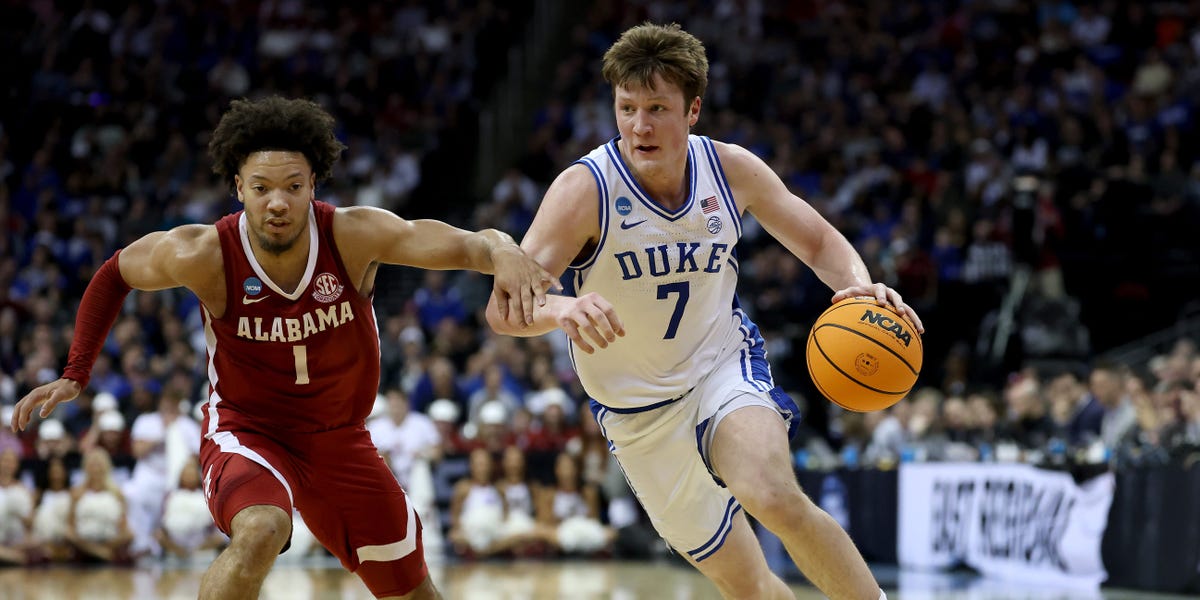
This regulatory showdown is particularly poignant against the backdrop of the highly anticipated March Madness.
New Jersey's enforcement has highlighted prohibitions on collegiate betting involving local teams, underscoring state-specific nuances in gambling laws.
Conclusion
Industry observers are keenly watching the unfolding events, which not only influence immediate stakeholders like Kalshi and Robinhood but could reshape broader regulatory and market landscapes.
Leave a Reply