


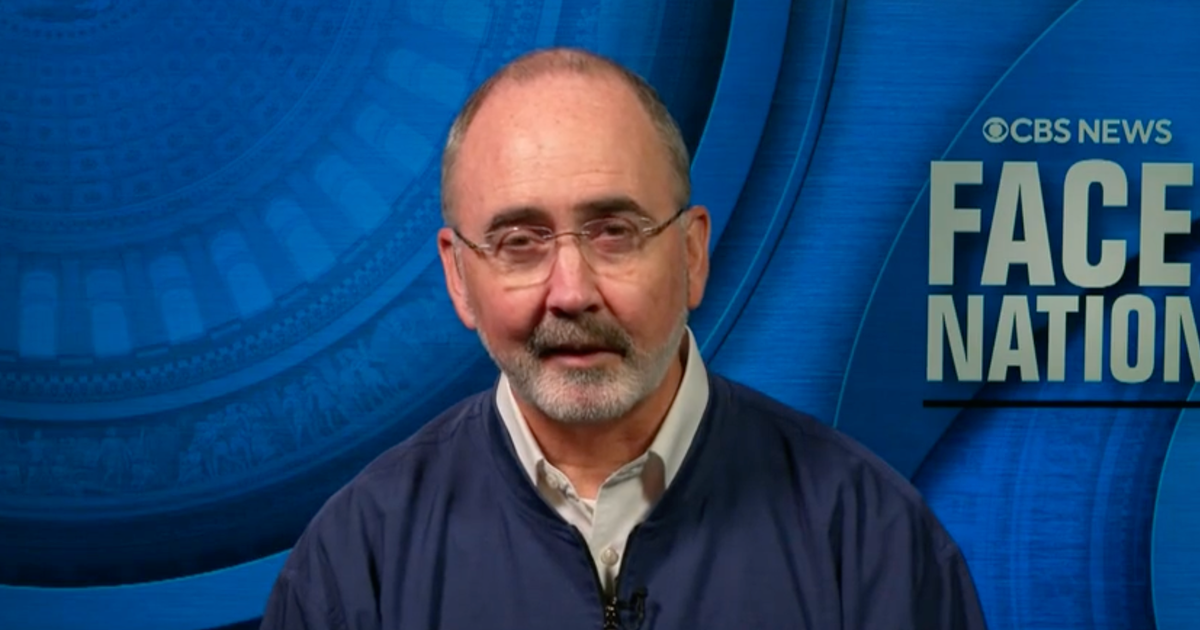
Interview with UAW President Shawn Fain on 'Face the Nation'
MAJOR GARRETT: Joining us now is Shawn Fain, leader of the United Auto Workers Union. Shawn, we appreciate you joining us today. Let's jump right into discussing tariffs on automobiles and their parts. Why are these tariffs beneficial to your members?
SHAWN FAIN: Thanks for the invitation. The essence of the matter lies in the history of U.S. auto manufacturing, particularly over the last three decades. Since the introduction of NAFTA and various unfair trade laws, we've witnessed a massive exodus of over 90,000 manufacturing sites from the U.S. Specifically, the Big Three automakers closed 65 plants over the past two decades. While tariffs alone won't solve everything, they're a crucial lever to pressure companies into doing right by American workers. They've been ignored for ages, struggling to merely make ends meet. Thus, these tariffs are about ensuring jobs that offer fair pay and decent conditions—not just any jobs, but those that support a sustainable livelihood, complete with healthcare and retirement.
MAJOR GARRETT: Has the Trump administration provided any guarantees tied to these concerns about job quality and fair compensation?
SHAWN FAIN: Those discussions are at the forefront of our dialogues. We consistently emphasize the importance of returning jobs to the U.S. manufacturing base. However, we're wary of scenarios where jobs return without union representation. Our concerns are only heightened after recent executive actions by Trump, which nullified collective agreements for 700,000 federal employees. We’re alarmed by attacks on sectors we represent, including academic institutions where free speech is stifled. Federal researchers too are affected, damaging essential public research.
MAJOR GARRETT: Your comments align with Randy Ervin's statement on an executive order that severely impacts federal worker negotiations. Was this indeed 'the greatest assault on collective bargaining' he's ever seen?
SHAWN FAIN: Absolutely. Reagan's attack on the air traffic controllers was monumental when I was just 12. However, we're witnessing something far graver. Stripping contracts from a staggering 700,000 people is a direct attack on union rights. Simultaneously, we're witnessing widespread cuts motivated by billionaires' desire for tax breaks, threatening entities like the NLRB and critical programs such as Medicare and Social Security. This drive doesn't serve America's working class, who are simply seeking a dignified life with equitable compensation and health security.
The Impact of Tariffs on Employment
MAJOR GARRETT: Some might argue that if a few jobs emerge due to tariffs, it could detract from larger issues like workers' rights and entitlements. Do you see such a trade-off as favorable?
SHAWN FAIN: Absolutely not. Our stance remains unchanged since my tenure began. We've made it clear that while cooperation can occur on mutually beneficial issues such as trade, it doesn’t excuse or compensate for other unacceptable actions. We place high expectations on all political leaders, regardless of affiliation, to champion our causes. Instances like last night's actions remain unacceptable.
MAJOR GARRETT: Let’s revisit the topic of tariffs. The White House advisor Peter Navarro claims that current U.S. auto plants operate far below capacity. Yet this potential for quick job creation needs examining. Do you find his assessment accurate?
SHAWN FAIN: Absolutely, he's correct. Take Warren, Michigan, for instance, where 2,000 jobs were lost as Stellantis shifted production to Mexico. This reversal is feasible in the short term. Similarly, Volkswagen's decision to cut shifts shows their substantial production capabilities outside America. Historically, the U.S. auto industry's spare capacity enabled rapid wartime production. Today’s conditions mirror that potential if appropriate decisions are made to bring production back quickly.
Addressing Fears and Misconceptions
MAJOR GARRETT: Let's consider the perception that tariffs impact consumer behavior negatively, particularly regarding vehicle sales, possibly hindering job growth. What are your thoughts on this?
SHAWN FAIN: The alarmist view on tariffs affecting sales is, in my opinion, overblown and reflects Wall Street-centric narratives. For instance, between 2019 and 2023, auto manufacturers inflated vehicle prices substantially, an act rooted in pure profit motives rather than genuine costs like wage increases. The tariffs need not inflate prices; it's often corporate choices driving such increases.
MAJOR GARRETT: Does the U.S. auto industry rely too heavily on assembly rather than comprehensive vehicle production, lacking core manufacturing such as drivetrain components?
SHAWN FAIN: To some extent, that's true due to decades of flawed trade policies. Yet, in places like Kokomo, Indiana, core components like transmissions and engines are produced locally. The industry has seen shifts, brought on partly by policies promoting battery production with assistance from initiatives like those under the Biden administration, reinforcing the need for holistic production within the U.S.
Securing the Future of Auto Manufacturing
MAJOR GARRETT: Considering these factors, can the auto industry thrive without the aid of tariffs?
SHAWN FAIN: Tariffs are instrumental but not the entire solution. We need comprehensive reform in trade policies that prioritize social welfare, healthcare, retirement stability, and work-life balance. Workers shouldn't have to endure dire conditions. Moreover, it’s essential to recognize that exploitative systems, rather than globalization per se, are often the adversaries. Elevating living standards should be central to any policy discussion.
MAJOR GARRETT: Given your influence within the union, does your membership value a president more for tariff policies or symbolic actions like participating in picket lines?
SHAWN FAIN: Both elements hold importance. The essence of leadership lies in supporting organized labor movements and advocating safe and fair working conditions. However, reckless actions nullifying worker agreements undermine trust and progress, reiterating the need for issue-based evaluations of leadership support.
Conclusion of Interview
MAJOR GARRETT: As we conclude, do recent polling indicators of an impending recession concern you and your members?
SHAWN FAIN: Certainly, such predictions incite caution and awareness. Amidst nationwide threats to employment and rights, anxiety is inevitable, highlighting the necessity for vigilance in safeguarding worker interests.
MAJOR GARRETT: Thank you, Shawn, for your insights.
SHAWN FAIN: Appreciate the platform to discuss these pressing matters.
Leave a Reply