


A Dynamic Shift in Bangladesh's Political Arena: Emerging Forces Ahead of Elections
Last year, Bangladesh witnessed an unprecedented wave of protests led by Gen-Z activists. The movement ultimately led to the ousting of Prime Minister Sheikh Hasina and marked a period of significant change in the country's political sphere.
The Rise of a Young Political Voice
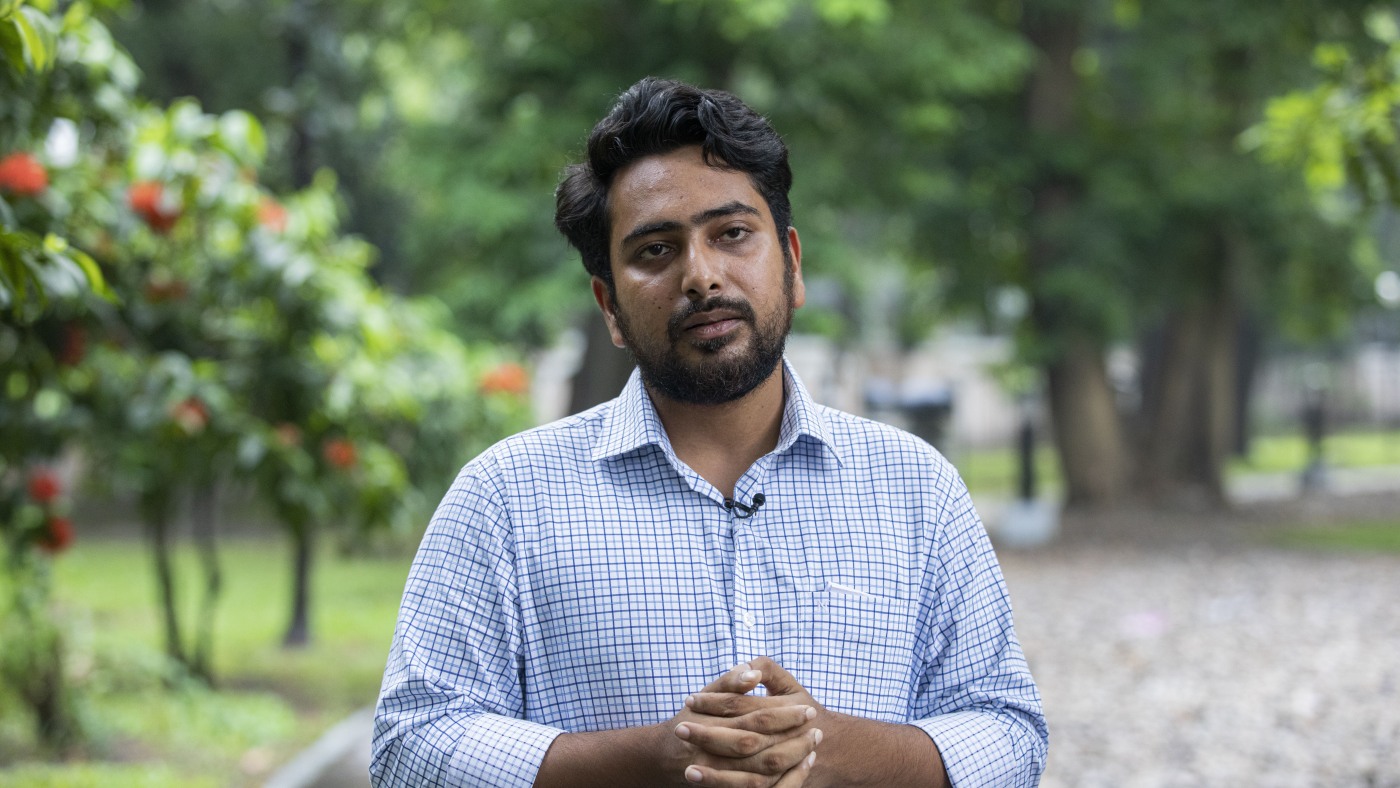
In the heart of Dhaka, a young sociology graduate by the name of Nahid Islam has become a symbol of this grassroots revolution. Despite being a newcomer, his role in catalyzing the fall of an entrenched autocratic regime has been pivotal.
Bangladesh's administration, marred by severe violence last year, saw over 1,400 casualties in the chaos that followed the protest. Determined to forge a new path, Islam was rapidly appointed to the interim cabinet fronted by Muhammad Yunus. Emerging once again, he has now set his sights on leading the newly formed National Citizen's Party (NCP), conceived from student activism.
Envisioning Political Transformation
Islam advocates for groundbreaking reforms, emphasizing the necessity for a fresh constitution that curbs authoritarian practices. He criticizes an inherited system that has constrained people's rights and fostered corruption.
Bangladesh's past is riddled with political turbulence, from its 1971 liberation war to decades of single-party dominance and military rule. Presently, the two dominant parties, the Awami League and the Bangladesh Nationalist Party (BNP), have shared power, but not without controversy and dissension.
The Road Ahead for NCP
Although the BNP is projected to fare well in upcoming elections, Islam aims to harness the underlying demand for societal change, particularly among the young population, which constitutes a substantial 46 million individuals.
Nevertheless, forging a foothold in the complex polling landscape remains challenging. As identified by experts like Naomi Hossain, proportional support does not equate to seats in the structured electoral environment.
Overcoming Future Challenges
The complexity is further heightened given existing bonds between the younger demographic and traditional parties’ student organizations. Leaders like Sadek Kayen and counterparts from BNP continue to shape influential student movements.
Political veteran Abdul Moyeen Khan contends that reforms rallied by emerging leaders transcend generational lines, hinging instead on the adoption of revolutionary ideas.
The Long-Term Aspiration
Despite skepticism, Islam and his party are striving for enhanced representation and legislation that's aligned with emerging values. Their strategy underscores education, healthcare, and environmental policies, aiming to captivate the nation's youth.
While the future remains uncertain, the NCP's foundations reflect a collective leadership ethos. As Islam asserts, the focus is on enduring goals, not individual accolades.
Leave a Reply