


Could Legal Marijuana Pose Health Risks? California's Safety Measures
Monitoring Cannabis Cultivation
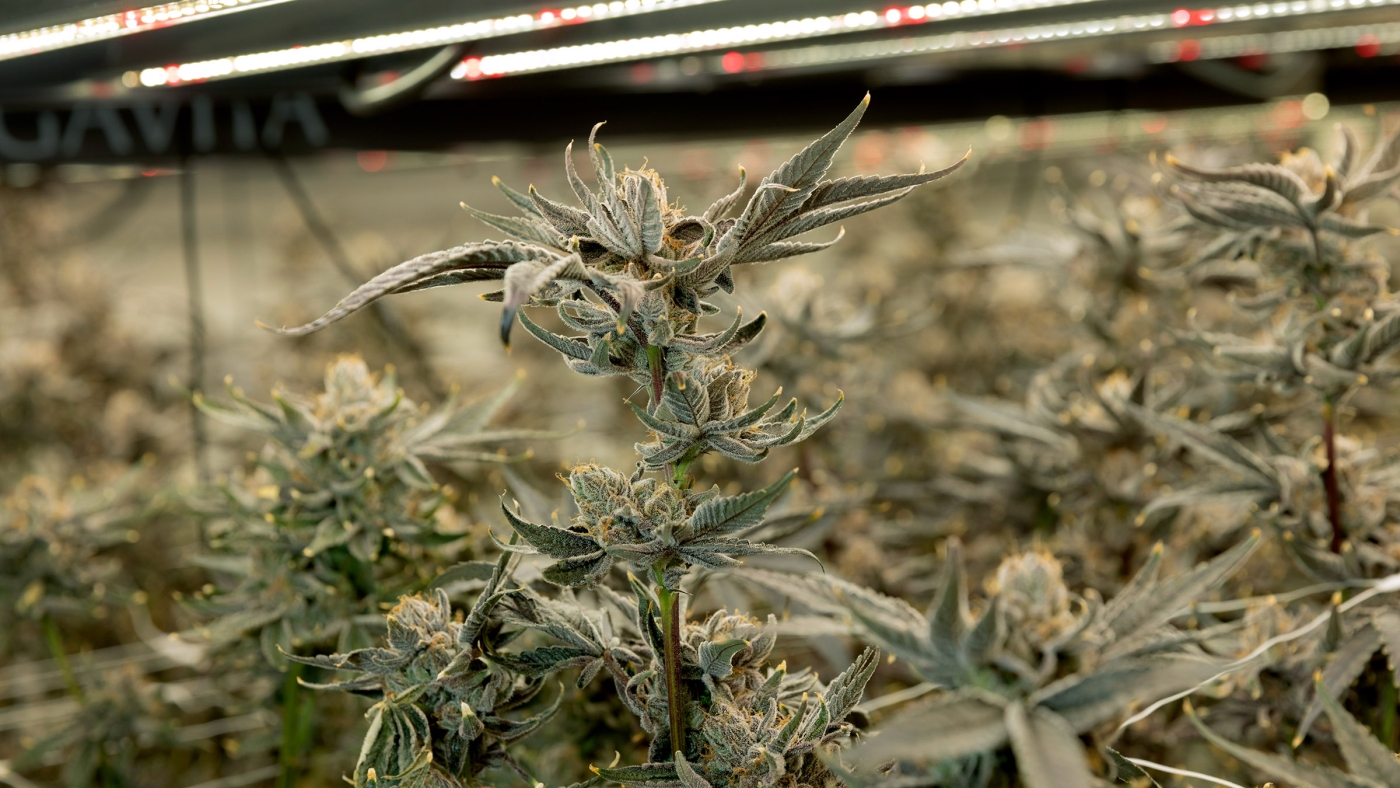
Inside Vibe Cultivators, a Sacramento-based indoor cannabis farm and dispensary, the air is filled with a strong, earthy aroma. Rows of cannabis with intriguing names like Gelato 33 and Alien Runtz grow under artificial light.
Vibe's entrepreneur in residence, Brian Prichard, points out that each plant is equipped with a state-sanctioned tag, showcasing the grower's credentials and a unique identification number. This tagging system assures thorough regulatory oversight.
Evolution of Cannabis Regulations
Prichard reflects on the pre-legalization era when cannabis cultivation required a shroud of secrecy, hindering collaboration and assistance. The landscape has now transformed, allowing for transparency and collaboration with state regulators.
Since its official inception in 2021, the California Department of Cannabis Control amalgamated previous agency roles to manage the burgeoning legal cannabis sector. Their chief goals include ensuring product safety amid a lack of federal guidelines.
The Challenges of Regulating Cannabis
Cannabis can be contaminated with various harmful substances like mold, bacteria, or even heavy metals such as arsenic. Without federal oversight, California must independently develop strategies to safeguard consumers, despite a shortage of comprehensive scientific studies.
Zarha Ruiz from the Department of Cannabis Control asserts, "It feels like we're building an aircraft while piloting it," emphasizing the evolving nature of the regulatory framework.
Collaborative Efforts Across States
Given the absence of a federal counterpart like the FDA, states have united under the Cannabis Regulators Association. This coalition serves as a support system for sharing best practices and regulatory updates among various districts.
Research indicates a varied approach across states, with testing spanning over 600 potential contaminants but regulated counts ranging from 60 to 120 per state. Such discrepancies highlight the complexities of nationwide regulation.
Enhancing Public Health Safeguards
The rise in emergency visits tied to cannabis, exacerbated by the infamous 2019 vape-related health crisis, underscores the importance of vigilant oversight. Consequently, California extends its regulatory purview to edibles, ensuring accurate THC representation and mitigating bacterial contamination risks.
Gummy production facilities, like that producing Wyld's cannabis-infused treats, come under the scrutiny of the state's cannabis authorities instead of usual food safety inspectors, illustrating the unique regulatory landscape.
Taking Science Seriously in Cannabis Regulation
California's cannabis control body employs state-of-the-art technology in Richmond to conduct extensive contaminant testing, aiding law enforcement and ensuring product safety standards.
Antonio Frazier, chief of the Laboratory Services Division, admires the industry's creativity in infusion techniques and is committed to accurate labeling to maintain consumer trust.
Observations indicate a much cleaner legal cannabis industry compared to its illegal counterpart, where illicit products have shown alarmingly high contamination.
The Benefits of Regulation
Vibe Cultivators, free from any product recalls, exemplifies the positive impact of diligent regulation, boosting industry reliability while helping cultivators like Brian Prichard operate transparently.
Leave a Reply