


Journalist's Take: Unveiling Eight Reasons for Declining Fentanyl Fatalities
Virginia is witnessing an extraordinary decline in overdose deaths, with numbers dropping by over 40% in just one year. Similarly, several other U.S. states are experiencing reductions of more than 30%. What could be the reasons behind such a phenomenon? Experts in addiction are exploring a complex interplay of possible explanations.
For the past half year, something remarkable and enigmatic has been unfolding on the streets of America. For the first time in three decades, a significant decline in drug-related mortality is creating both hope and confusion among those who study addiction.
Previously, even the most determined and well-funded initiatives to combat drug-related fatalities only managed to achieve slight reductions. A decrease in overdose deaths of eight or nine percent was previously considered a major success.
However, recent figures show a nationwide drop of over 26% by June 2023, marking a significant change. This decrease translates to roughly 30,000 fewer deaths annually. In many states, improvements range from 30% to 50%, with some sustaining this trend from 2021 and 2022, indicating these aren't just fleeting improvements.
Unraveling the Decline in Drug Mortality Rates
A number of theories have been proposed to explain this downturn, though none have been definitively proven. Here are the top eight theories currently under discussion among experts.
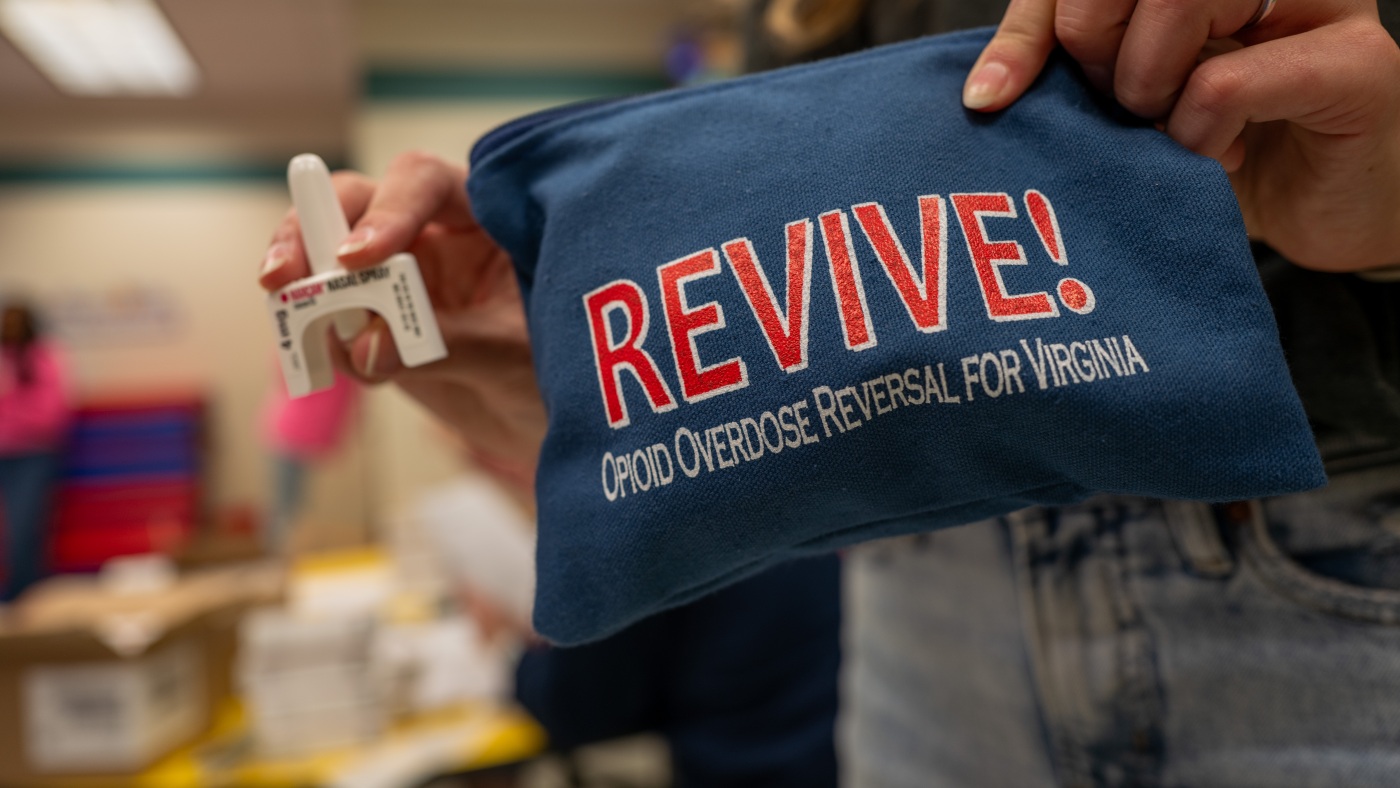
Theory 1: Widespread Access to Naloxone
The administration under President Biden has rapidly increased accessibility to a life-saving medication—naloxone—a nasal application that counteracts overdoses from opioids like fentanyl. Now obtainable over-the-counter, this medication is freely distributed in many high-risk areas. A considerable number of individuals who use drugs carry it continually. The precise number of lives saved annually by naloxone remains unknown, but many frontline health workers believe its impact is considerable.
Theory 2: Changes in Fentanyl Purity
In multiple U.S. locations, investigations into fentanyl, typically distributed as pills, note a decrease in drug purity. Reasons for this aren't entirely clear, though some speculate that increased enforcement activities in China, Mexico, and the U.S. are disrupting illicit fentanyl supply chains.
Theory 3: Shift in Drug Cocktails
Many places are known for selling potent mixtures, often containing both fentanyl and animal tranquilizers like xylazine. Despite their long-term health dangers, such molecules are less immediately deadly than fentanyl. This might lead to fewer instantaneous fatalities but more chronic health conditions.
In the 1990s, when opioids became a crisis, addiction treatments were rare and heavily stigmatized. Over the past decade, there have been significant enhancements in treatment accessibility and quality, offering better medication options and community resources, especially for those exposed to dangerous drugs like fentanyl.
Theory 4: Improved Addiction Support Systems
Decades into the opioid epidemic—now intensified by fentanyl—the U.S. has developed a more robust and affordable treatment system for those battling addiction. Innovations include medications like buprenorphine and methadone, both more accessible due to Medicaid insurance. Additionally, approximately $50 billion from opioid settlements is now funding these initiatives. Uncertainty lingers about potential future impacts, especially considering prior budget cuts under the Trump administration.
Theory 5: Diminished User Base
Some experts suggest the fatalities may be declining partly because many high-risk drug users, unfortunately, did not survive the crisis. This view, while contentious, is held by multiple researchers observing the situation over recent years.
Theory 6: Pandemic Aftereffects
The COVID-19 pandemic severely disrupted addiction treatment services, paired with loneliness and trauma. These factors coincided with heightened overdose fatalities. Experts suspect that as repercussions from COVID lessen, overdose rates return to previous norms, reflecting lower death tolls.
Theory 7: Adaptation Strategies by Users
Many street-drug consumers report adapting to the perils of fentanyl by choosing smoking over injecting, which may be marginally safer. Users also refrain from using drugs alone, carry naloxone as a precaution, test for unexpected contaminants, and limit drug quantities taken.
Theory 8: Decrease in Young Drug Users
Fentanyl remains a leading cause of death among young adults in the U.S. Yet, research indicates a decline in drug consumption among youth and teenagers, excluding cannabis. This trend is significant since younger, inexperienced users are at much higher risk of overdose because of lower drug tolerance.
It's critical to acknowledge that these are all theories. Most authorities in the field agree they require additional data and time to comprehend such a monumental shift.
There is, however, an emerging consensus that solving this puzzle may involve elements from all these theories. The critical inquiry moving forward is how enduring these trends will be. There's no indication yet that these encouraging patterns are reversing.
Leave a Reply