


Rivian Prepares for Tariffs on Its R2 SUV
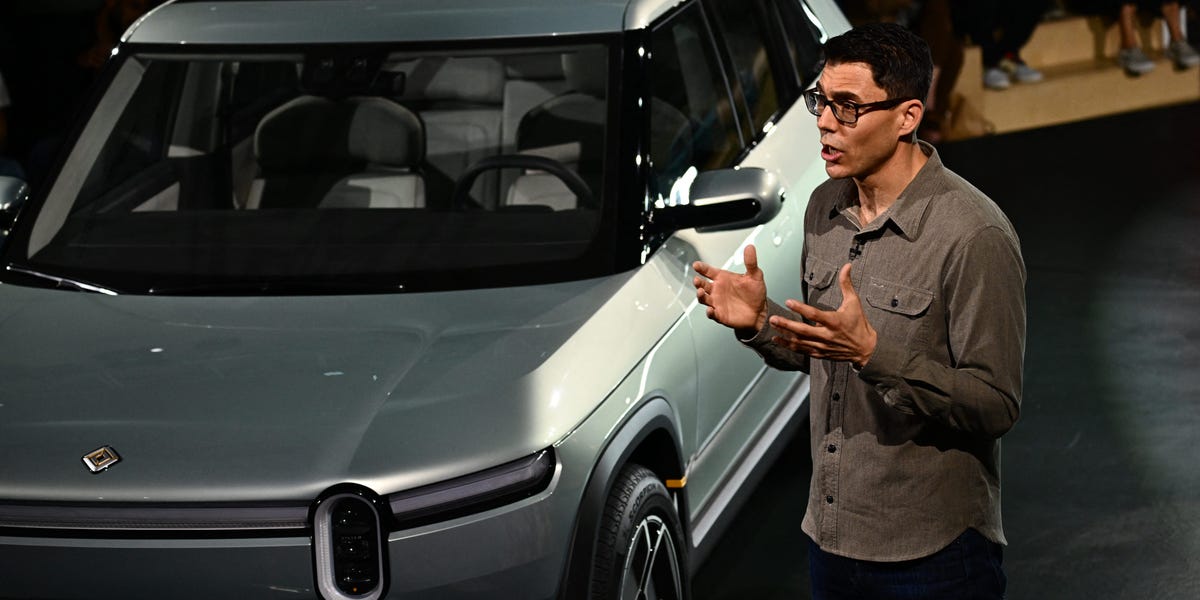
Rivian, known for its electric vehicles, is already taking proactive measures against the tariffs expected to be implemented under President-elect Donald Trump. CEO RJ Scaringe has stated that the company is carefully planning its materials sourcing strategy to protect its supply chain, with a particular focus on the R2, an economical SUV in development.
Even before the election results, the Rivian team anticipated the changes potential tariffs would bring. Now, they are concentrating on finding suppliers less likely to be embroiled in heavy tariff duties, highlighting a well-thought-out supplier approach.
In addition to adjusting sourcing strategies, Rivian has devised partnerships with international suppliers to mitigate risks from potential tariffs. Scaringe did not disclose the locations of these suppliers, but emphasized the importance of sharing responsibility in these agreements.
Market Conditions and Administration Impact
The uncertainty accompanying the incoming Trump administration could further impact the already challenging market for electric vehicles (EVs). Rivian and other EV-focused companies like Lucid saw volatility in their stock prices, with notable fluctuations around the election period.
Trump's campaign also included critiques of the Biden administration's Inflation Reduction Act, which encompasses a $7,500 tax rebate for EVs, including SUVs and trucks priced under $80,000. This has raised concerns over the potential loss of these incentives.
Rivian’s Chief Financial Officer, Claire McDonough, noted that many of their customers who benefit from this credit typically lease their vehicles—an area showing a 42% penetration rate.
Financial Prospects Amidst Challenges
With models such as the R1S and R1T beginning at $75,900 and $69,900 respectively, Rivian plans to market its R2 model at a more affordable $45,000. However, given the financial profile of their customers, most do not qualify for significant benefits through conventional purchases.
Financial analyst Tom Narayan expressed apprehension about Rivian's future in light of these developments, particularly regarding their eligibility for advantageous tax incentives under Trump's leadership.
Scaringe pointed out that the company is vigilantly watching for any policy changes that could affect their raw material supply chains, which are crucial for manufacturing their vehicles.
The company faces ongoing financial challenges, as demonstrated by the $392 million negative gross profit reported in Q3, a slight improvement from the previous year's $477 million deficit for the same period. Quarterly revenue reported a 35% decline to $874 million, influenced by the delivery of just over 10,000 vehicles, and $8 million in regulatory credits.
Amidst these hurdles, Scaringe remains hopeful for Rivian's trajectory toward profitability, citing an anticipated 20% cut in material expenses for producing their R1 pickup trucks within this fiscal year.
Looking Forward
Scaringe conveyed optimism about collaborating with the new administration, despite potential policy shifts, emphasizing Rivian's focus on advancing the transition from traditional combustion engines to electric drivetrains. He underlined their commitment to supporting customers in this energy shift.
Leave a Reply