


How I Acquired Citizenship in Two European Countries Without Visiting
Born in the United States, my interest in living abroad has always been piqued by my travels. For my children's future, I desired options should they want to explore life outside the US.
With recent concerns over America's shifting political scene and its potential influence on my family, I earnestly began exploring citizenship opportunities elsewhere.
Admittedly, this journey isn't viable for everyone due to various limitations. For instance, many individuals cannot easily trace their lineage, especially those with ancestors who were forcibly brought to America as slaves.
Yet, after extensive research and considerable paperwork, I successfully secured citizenship in Poland and Portugal without visiting either nation.
Developing My Family Tree
I began by constructing a meticulous family tree, investigating my ancestors’ birthplaces and immigration timelines to the US.
To fill in the blanks, I consulted family members and utilized online resources. Key tools included US government archives and Ancestry.com to corroborate family stories and uncover additional immigration details.
Details as minute as the exact immigration year or burial location of relatives proved essential in my experience.
Navigating Immigration Laws and Document Collection
After completing my family lineage, I delved into the intricacies of immigration regulations.
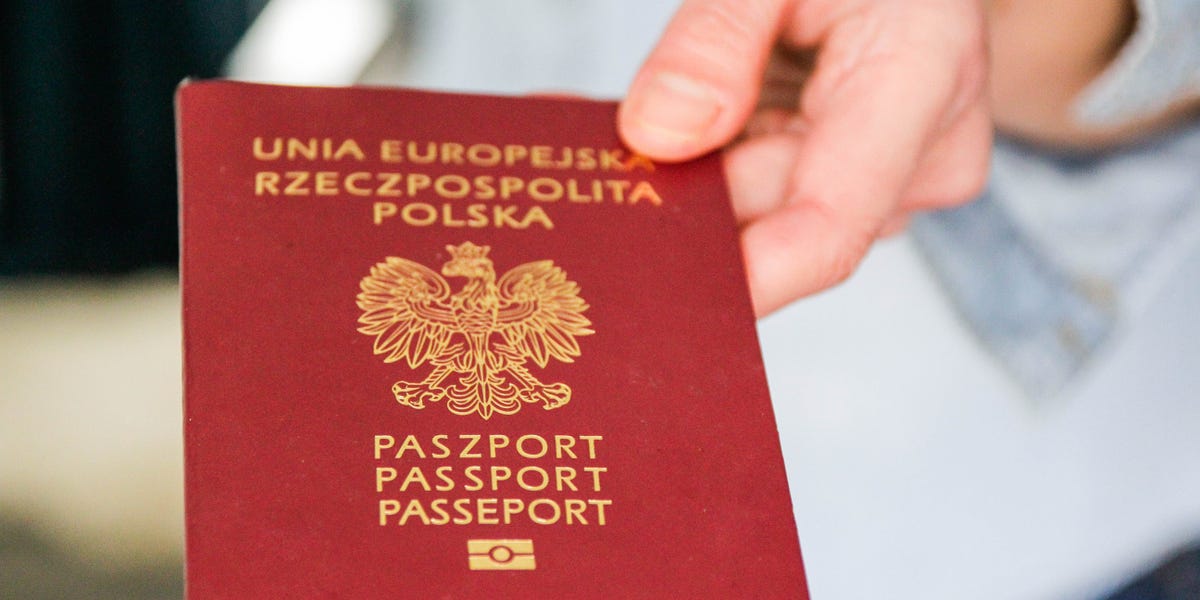
Through this research, several routes to citizenship surfaced, but I zeroed in on Poland. With my grandfather's Polish passport as evidence, the process was rather clear-cut.
Typically, countries necessitate original in-country documents like birth or baptismal certificates for citizenship applications. Sometimes, immigration lawyers aid in finding these.
Exploring Alternative Citizenship Opportunities
Although lineage is a standard pathway, many countries present alternative routes. Exploring various immigration statutes can be worthwhile.
I leveraged a specific temporary Portuguese policy that recognized descendants of Sephardic Jews expelled from the Iberian Peninsula centuries ago. While the deadline for this particular path was January 1, 2024, comparable opportunities might exist elsewhere.
Spain, for instance, offers citizenship to those who escaped the Franco regime during its civil conflict and their kin. Similarly, Austria and Germany extend this to Jews displaced by Nazi persecution.
Some nations even exchange citizenship for considerable investments, perhaps in real estate.
Community and Legal Support
Joining online groups for Americans pursuing dual citizenship was a game-changer.
These forums provided invaluable advice and fast responses from those walking a parallel path, fostering a connection with others sharing cultural backgrounds.
Before committing substantial resources, I sought a reality check on my odds of success.
I arranged complimentary consultations with immigration attorneys in Poland and Portugal. Consequently, I hired them to resolve any stumbling blocks.
Though not mandatory, employing local legal experts proved a wise investment.
Document Compilation and Submission
Both Poland and Portugal demanded an extensive array of documentation for citizenship applications.
While attorneys handled the official paperwork, obtaining supporting documents like birth and marriage certificates fell on me.
Due to Polish citizenship being tied to ancestry, proof of descent—such as my grandparents' marriage certificate and my parents' birth records—was necessary.
Under Portuguese applications, I included a rabbi's letter attesting to cultural customs and evidence of my grandfather's burial in a Sephardic Jewish cemetery. An FBI background check was also required.
After assembling everything, my lawyers filed the applications on my behalf.
The Waiting Game and the Joy of Success
Post-submission, all I could do was wait.
It took about a year to receive Polish citizenship, whereas Portuguese took nearly three years.
Despite the prolonged anticipation being tedious, holding those new passports mitigated the ordeal.
Gaining the flexibility to reside abroad is wonderful, and knowing my children now share this privilege brings peace of mind.
Leave a Reply