


Controversial Deportations Continue Amidst Legal Challenges
In a surprising series of events, more than 200 individuals purportedly affiliated with a notorious Venezuelan prison gang, Tren de Aragua, found themselves expelled from U.S. soil and sent to El Salvador over the weekend. This move was announced by certain members of the Trump administration via social media.
A crucial point of contention is whether these deportations were carried out before or after a judicial mandate was issued. The order, released Saturday by a federal judge in Washington, D.C., instructed the U.S. government to cease using wartime authorities to deport individuals and demanded that any flights already en route be recalled.
Use of an Obscure Law
On that Saturday, President Trump invoked the Alien Enemies Act of 1798, a rarely utilized statute that empowers the President to detain or expel nationals of adversarial nations during conflicts. This marks the first invocation of the act since the era of World War II.
White House Press Secretary Karoline Leavitt commended the State Department's efforts, stating, "Thanks to their exceptional work, these dangerous individuals were sent to El Salvador, ensuring they no longer threaten America's safety."
Involvement of MS-13 Leadership
Notably, the deportation group included two figureheads of the MS-13 gang, recognized for its origins in El Salvador, as well as 21 additional gang associates, as confirmed by the Secretary of State and El Salvador's President.
El Salvador's President Nayib Bukele, responding rather flippantly to media reports of the court injunction, remarked, "Ooopsie… too late."
Deportations Reached El Salvador
President Bukele shared a video on Sunday showcasing the arrival of 238 alleged Tren de Aragua members in El Salvador. These individuals are slated to be housed at the country's Terrorism Confinement Center for an estimated duration of one year.
Strategic International Agreements
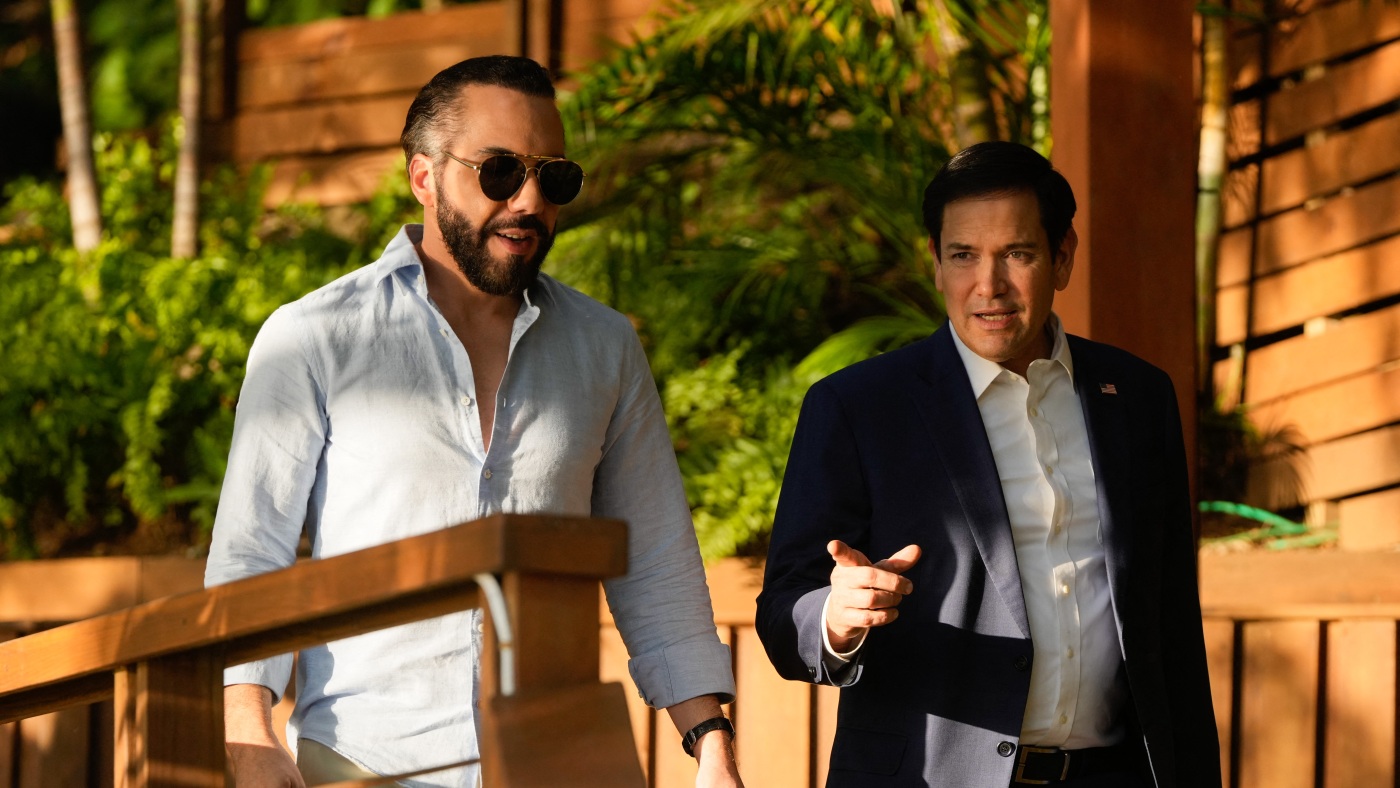
U.S. Secretary of State Marco Rubio revealed that El Salvador's leader agreed to host deportees of all nationalities from the United States. President Bukele further mentioned on social media that El Salvador received a nominal fee from the U.S. for handling these deportations.
"We appreciate your cooperation and camaraderie, President Bukele," Rubio tweeted.
Legal Opposition and Proceedings
Initiated by the American Civil Liberties Union and Democracy Forward, a lawsuit was filed on Saturday aiming to temporarily halt the deportations of several Venezuelan men by 14 days. This request was later extended to encompass all individuals potentially affected by the presidential decree under the Alien Enemies Act. While Judge James Boasberg granted a reprieve for five individuals, he expanded this protection to all those impacted by Trump's declaration.
The Trump administration has since lodged an appeal against the judge’s decisions with the U.S. Court of Appeals for the District of Columbia Circuit, and a subsequent hearing is scheduled for March 21.
Leave a Reply