


Canada Asserts Its Economic Strength Amid Tariff Disputes
Facing recent critiques and economic policies from U.S. President Donald Trump, Canadians are fostering a stronger sense of national solidarity.
Trump's aggressive trade measures, including hefty 25% tariffs on Canadian imports and unsettling comments about Canadian sovereignty, have unified the northern country's citizens. Motivated by these actions, many Canadians have started rejecting U.S. products and issuing economic retaliations, channeling a surge in national pride.
"It feels like a betrayal. Many Canadians see this as an attack from a close ally," remarked Joel Bilt, a specialist in global commerce at Ontario's University of Waterloo. "This situation has significantly brought Canadians together."
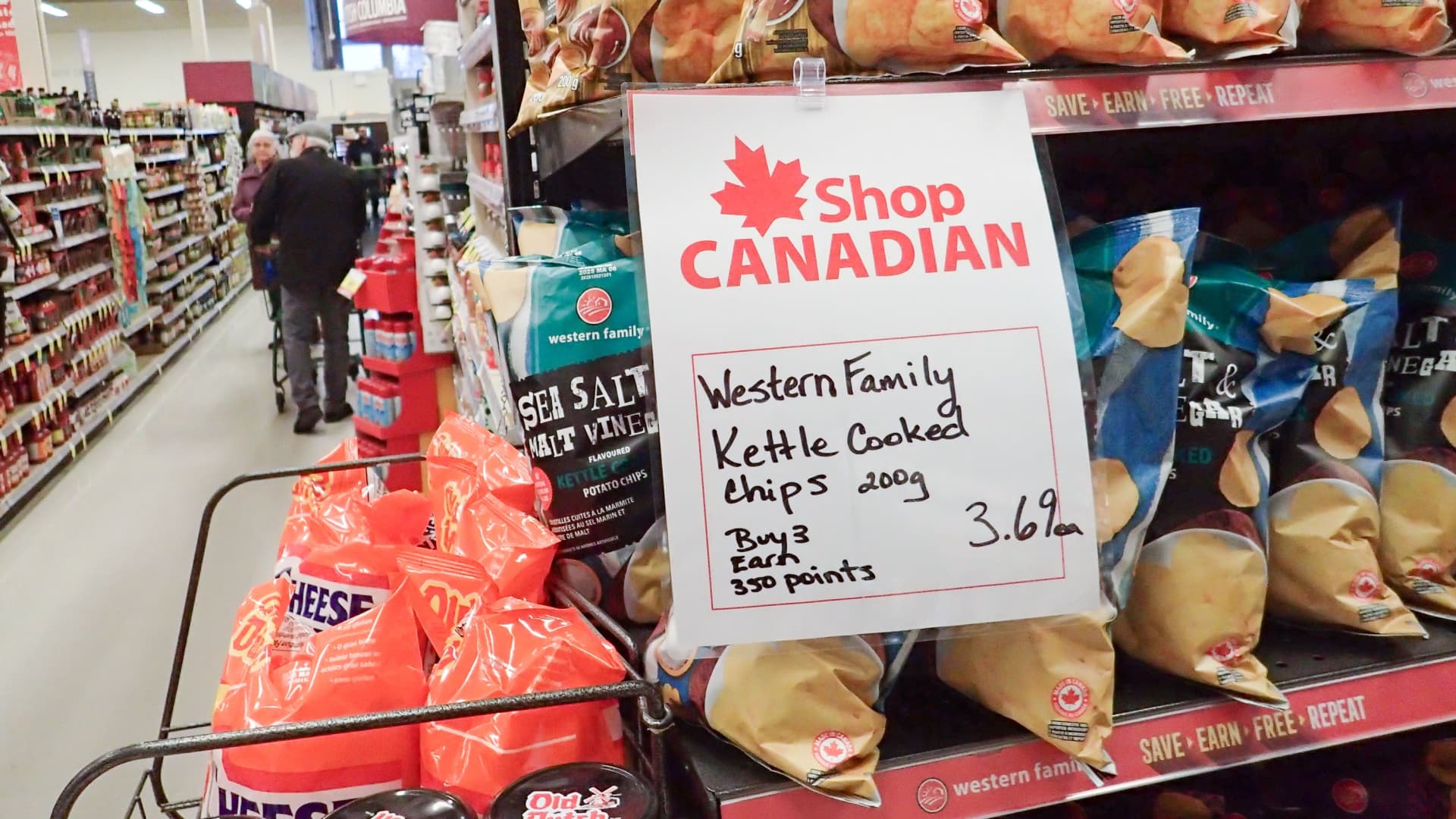
Local markets and shops are now emphasizing Canadian goods, with visible markers encouraging customers to choose domestically made items. Additionally, a thriving online community dedicated to purchasing Canadian products has seen its members sharply increase as tariff policies unfold.
Economic Countermeasures
A significant impact has been observed, with over 60% of Canadians reducing their purchase of American goods, as per a survey by market analyst Leger. More than 70% of survey participants are opting for homegrown products, bolstering Canada's position as the ninth largest global economy.
In a striking move, the Liquor Control Board of Ontario (LCBO) decided to halt the procurement of American alcohol, affecting movers like Jack Daniel's. Considering LCBO's significant sales figures of American spirits, this action could be more impactful than the tariffs themselves.
Moreover, Ontario planned to levy taxes on U.S. states like Michigan and Minnesota. However, Ontario Premier Doug Ford mentioned that these could be reconsidered due to renewed negotiation efforts.
While Trump considered increasing tariffs on Canadian metals to a staggering 50%, ensuing discussions between officials from both nations have temporarily quelled the situation.
Travel and Tourism in Decline
The fluctuating nature of tariffs is already influencing travel patterns, as shown by a noticeable drop in Canadians making return trips from the U.S. According to recent data, there’s been a significant decrease in Canadians flying back from international locations.
Alongside, some Canadian vacationers are re-evaluating trips to destinations such as the Wildwoods in New Jersey, partly due to the administration's tariff threats and unfavorable exchange rates.
Despite reactions, travel organizations are maintaining their outreach efforts, emphasizing longstanding warm ties with Canadian tourists and highlighting nearby destinations as viable options.
Cultural and Political Dimensions
These trade tensions have permeated Canadian civic discourse and media, marking a significant shift in relations.
Highlighting cultural sentiment, Canadian fans protested at sports events, and celebrities like Mike Myers showcased patriotic messages. Canada's government is actively addressing the tariff situation, which has become a major national concern.
Canadian institutions have started to prioritize Canadian manufacturers in response to tariffs, indicating a broader shift toward supporting national industries during this uneasy period.
Bilt notes that while Canadians' discontent is directed at Trump, personal ties between ordinary Canadians and Americans are expected to remain stable for now. Nevertheless, U.S. businesses might face a colder reception in Canada until diplomatic and economic tensions ease.
Leave a Reply