


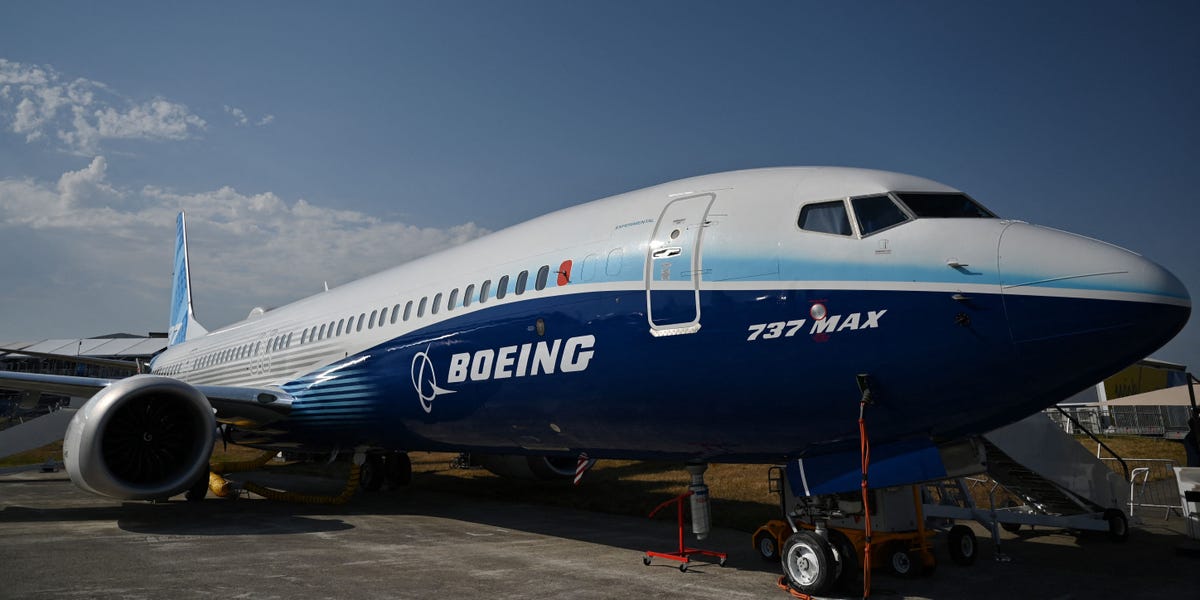
Boeing's Workers are Back: The Tough Task of Transformation Begins
Boeing's industrial action concluded this week after a drawn-out 53-day conflict, yet the company's journey toward stabilization is only beginning.
After announcing a staggering $6.1 billion loss last quarter, CEO Kelly Ortberg emphasized, "Restoring Boeing's esteemed reputation will take time, but with the correct focus and corporate culture, we can revive our status as a preeminent aerospace pioneer."
Steps Toward Stability
Successfully negotiating with the union marks progress toward stability, aligning with elements of Ortberg's four-step strategy. However, a consistent upsurge in aircraft production remains critical.
During last month's earnings discussion, the CEO acknowledged the return of staff post-strike may necessitate weeks for recertification and skill enhancement.
Recovery Challenges
Morningstar, an investment analysis company, foresees Boeing needing until 2025 before production fully rebounds. Meanwhile, Bank of America's analysis highlights the substantial period required for operational recovery, even as employees begin resuming their roles.
Industry-Wide Limitations
Apart from internal hurdles, industry-wide limitations on skilled workers and material availability impose further delays, resulting in a substantial backlog of approximately 5,400 commercial planes worth an estimated $428 billion.
Handling the Aftermath
Unlike its competitor Airbus, Boeing faces heightened production difficulties, not least demonstrated by the January incident involving an Alaska Airlines aircraft losing parts mid-flight, prompting increased scrutiny on Boeing’s manufacturing methodologies.
In response, the Federal Aviation Administration has capped Boeing's monthly 737 production at 38 per month until a comprehensive safety and quality enhancement plan is enacted. Nonetheless, throughput has decelerated due to ongoing refinement of manufacturing processes, with the company delivering 92 jets, around 30 per month, in the previous quarter.
Financial Implications
CFO Brian West acknowledged that preparations for hitting a monthly target of 38 aircraft by year's end have been delayed due to strike repercussions.
Credit ratings firms have flagged potential downgrades of Boeing's debts to non-investment grade levels. S&P Global Ratings' aerospace director, Ben Tsocanos, pointed out that while Boeing's equity increase provides some financial buffer, its creditworthiness is ultimately dependent on raising both production standards and volume.
Supplier Challenges
Adding to Boeing's obstacles, main supplier Spirit AeroSystems expressed concerns over its long-term viability, mentioning cash flow issues resulting from Boeing's revised manufacturing practices like opting out of accepting malassembled deliveries.
Spirit constructed the fuselage for the ill-fated Alaska Airlines 737 Max, which arrived with faulty rivets. Boeing's corrective measures led to further complications, ultimately causing the door plug incident, as detailed in preliminary reports by the National Transportation Safety Board.
Paving the Path Forward
The episode has underscored the urgent need for improved quality control across Boeing's production spectrum.
Feedback from clients frustrated by delivery lags underscores that elevating production quality is crucial and remains an integral element of Ortberg's four-step strategy. His plan also advocates shifting the corporate culture toward greater engagement on factory floors; manifest in Ortberg's decision to base himself in Seattle, reinforcing Boeing's historic roots rather than operating out of the corporate offices in Virginia.
While the road to achieving iconic status again presents numerous difficulties, confidence in Ortberg's capabilities remains strong among industry analysts.
Leave a Reply