


Update Expected from NTSB on Fatal Midair Collision in D.C.
By CBS News Team
A brief update is anticipated from the National Transportation Safety Board regarding the harrowing midair collision that transpired over Washington, D.C., claiming numerous lives this January.
Details of the Tragic Accident
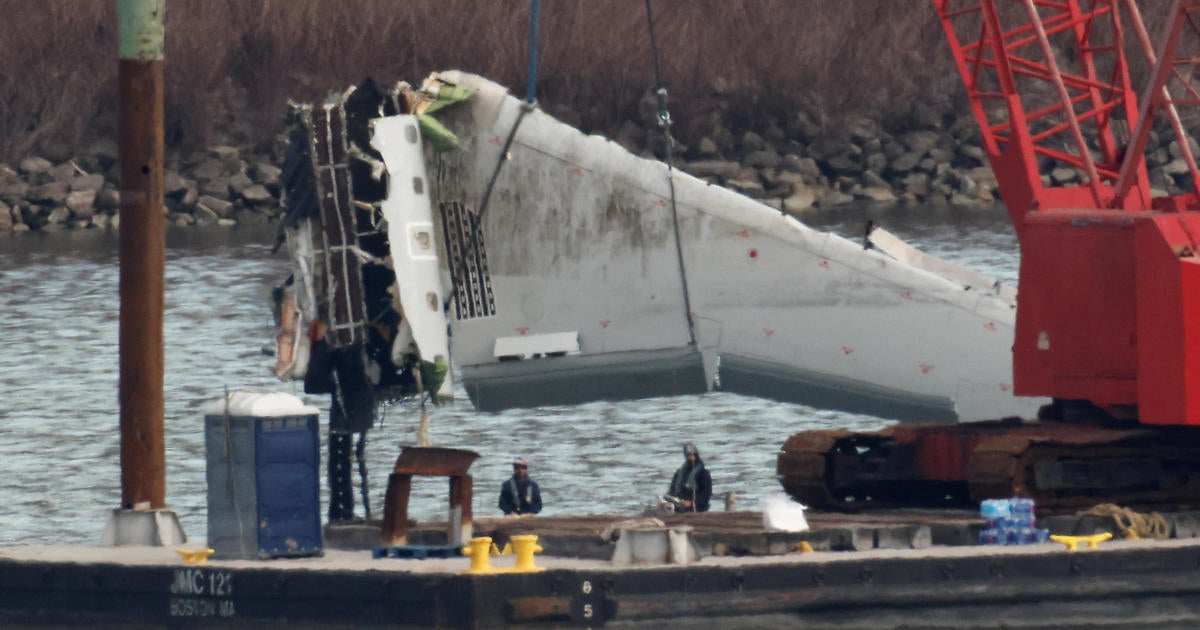
In a tragic twist, an Army Black Hawk helicopter collided with an American Airlines aircraft, leading to the first significant commercial aviation crash in the U.S. since 2009. The flight, which originated in Wichita, Kansas, was on its trajectory to land, while the helicopter was engaged in a training session. Post-collision, both crafts descended into the Potomac River.
Investigation Challenges
Federal officials have been diligently unraveling the factors that contributed to this catastrophe. Brice Banning, the lead investigator, has described the inquiry as intricate, involving numerous elements that need thorough exploration by the NTSB team.
Recovered Evidence
Crucial evidence, including the flight recorders from both the helicopter and the plane, has been retrieved. These devices capture essential details like speed, altitude, and cockpit conversations, which are vital for the ongoing investigation.
Possible Miscommunication
Initial findings suggest a possibility that the helicopter crew might not have received a directive from air traffic control to position themselves behind the airplane. Jennifer Homendy, the NTSB chair, indicated that a radio call instructed the helicopter to follow behind, but due to a miscommunication—potentially because a microphone button was pressed—the full command may not have been audible.
It has been surmised that the crash occurred at approximately 325 feet, which exceeds the helicopter's assigned ceiling of 200 feet for that area. Discrepant altitude readings prior to the accident may have stemmed from the Black Hawk's dual altimeter systems.
Night-vision Considerations
Reports also indicate that the helicopter operators, noted for their vast experience by the Army, were potentially using night-vision technology during the flight.
Ongoing Investigation Timeline
NTSB investigations are comprehensive and can span over a year to arrive at conclusive findings.
About the Author
Kerry Breen delivers news updates at CBSNews.com. An alum of NYU's Arthur L. Carter Journalism Institute, she previously contributed to NBC News' TODAY Digital, focusing on breaking news, contemporary issues, and societal concerns like substance abuse.
Leave a Reply